


 English
 中文简体
中文简体
+86-0575-8215 2808
/8200 8688/8239 2526
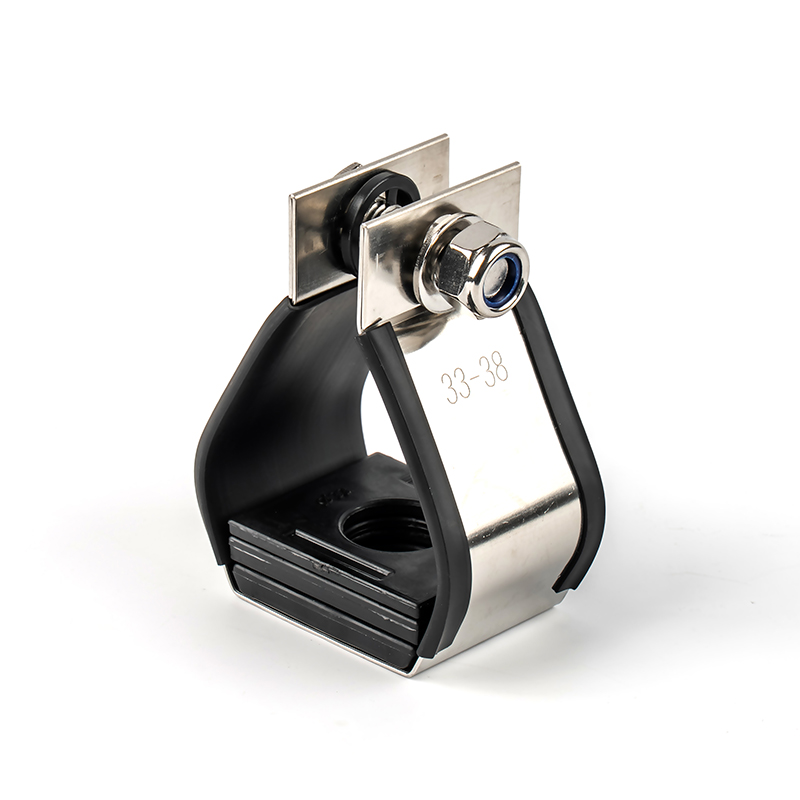
The single cable Cleats made of 316 stainless stee...
View more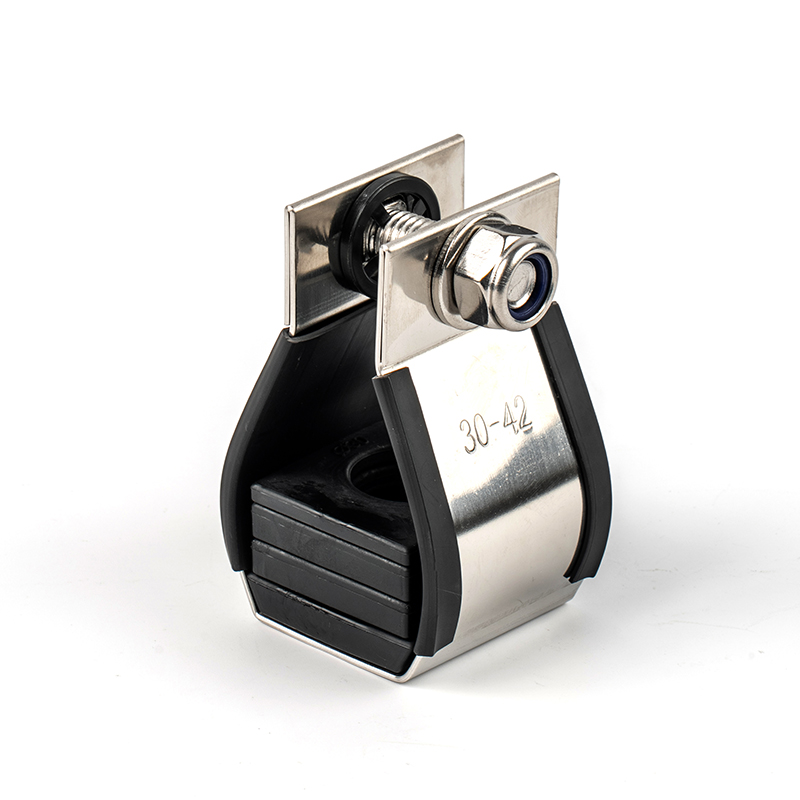
Manufactured from high-grade 316 stainless steel, ...
View more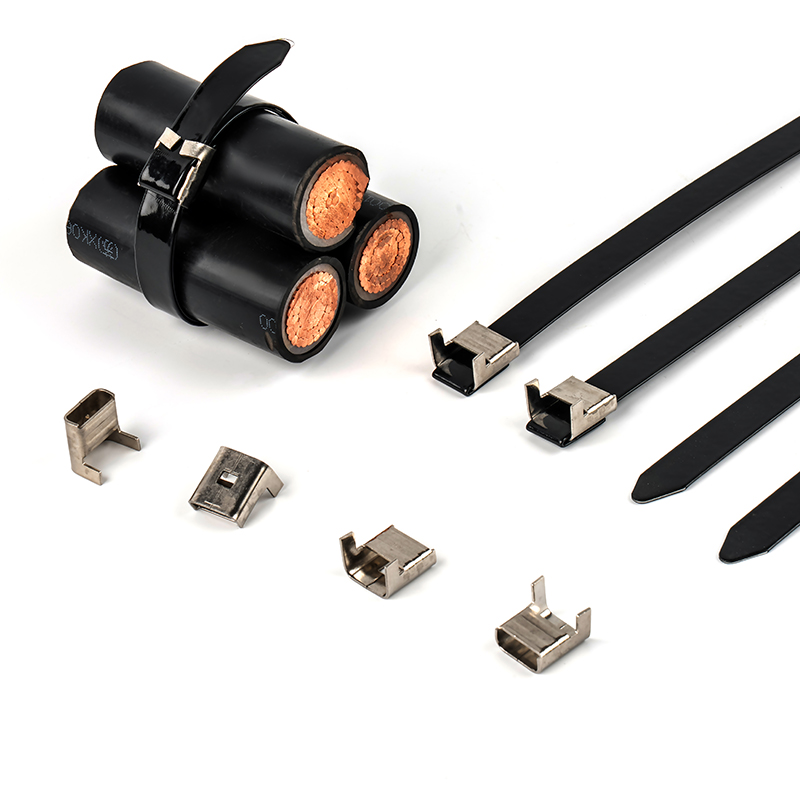
Brand Name: FengfanApproved Certificate: DNV &...
View moreContent
Weather-resistant acetal is standard acetal (polyoxymethylene, POM) copolymer that has been compounded with UV stabilizers, heat stabilizers, and impact modifiers before molding. Standard acetal is built for indoor, general-purpose parts and will chalk, fade, and turn brittle after a season or two outdoors. Weather-resistant acetal is engineered to hold its tensile strength, color, and flexibility through years of sun, salt spray, and temperature swings, which is why it is the grade specified for cable ties, straps, and locking heads used in marine, offshore, and aerospace projects.
Acetal on its own is a strong, low-friction engineering plastic, but raw POM resin has almost no built-in defense against ultraviolet light. UV energy breaks down the polymer chain at the surface, a process called photo-oxidation, and once that starts the part loses gloss, then color, then mechanical strength. Weather-resistant acetal interrupts this process at the compounding stage, before the resin is ever molded into a tie, strap, or clamp body.
Hindered amine light stabilizers and UV absorbers are dispersed through the resin rather than coated on the surface, so protection does not wear off even if the part is scratched or abraded during installation.
Standard acetal can degrade faster once ambient heat is combined with sunlight, a combination common on ship decks, rooftops, and open rail corridors. Weather-resistant grades include thermal stabilizers that slow this combined heat-and-light aging effect.
Cold weather is where unmodified acetal tends to fail first, since it can turn brittle below freezing. Weather-resistant compounds are formulated to keep enough flexibility at low temperature that a tie can still be tensioned and locked without cracking.
The two materials look identical off the shelf, so the real difference only shows up after prolonged exposure testing. The table below summarizes the practical gap reported for outdoor-grade versus standard acetal cable fittings.
| Property | Standard Acetal | Weather-Resistant Acetal |
| Outdoor color and gloss retention | Fades and chalks within 6 to 12 months | Stable appearance well beyond 3 years outdoors |
| Tensile strength after prolonged UV exposure | Significant loss, becomes brittle | Retains the majority of original strength |
| Working temperature range | Narrower comfort band, prone to cold cracking | Stable from about -40°C to 100°C |
| Salt spray and marine humidity | Not rated for continuous exposure | Formulated to resist seawater and salt spray erosion |
| Typical application setting | Indoor panels, enclosures, general assembly | Marine, offshore, rail, aerospace, outdoor telecom |
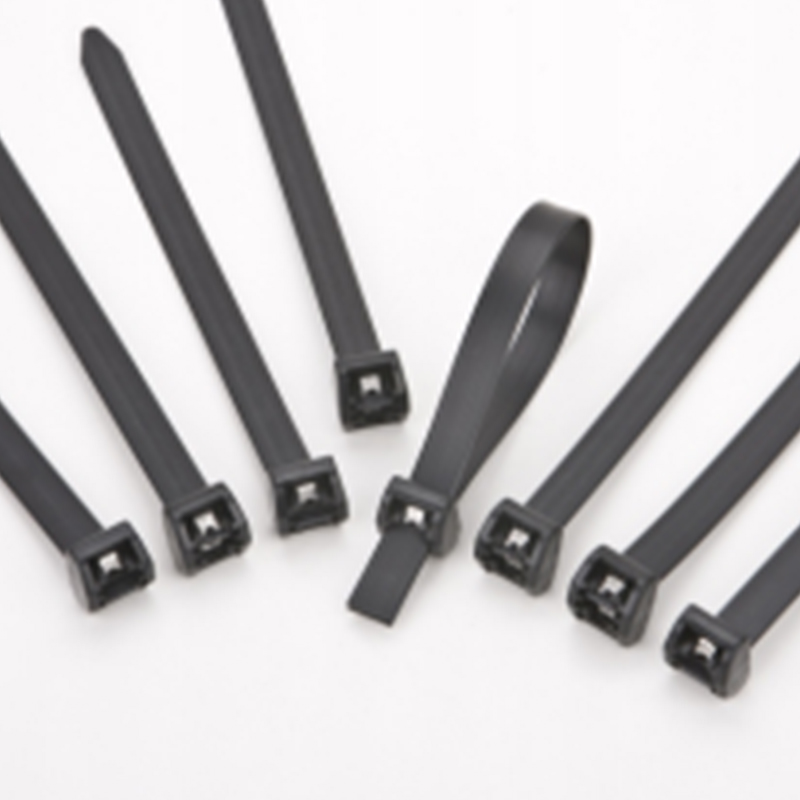
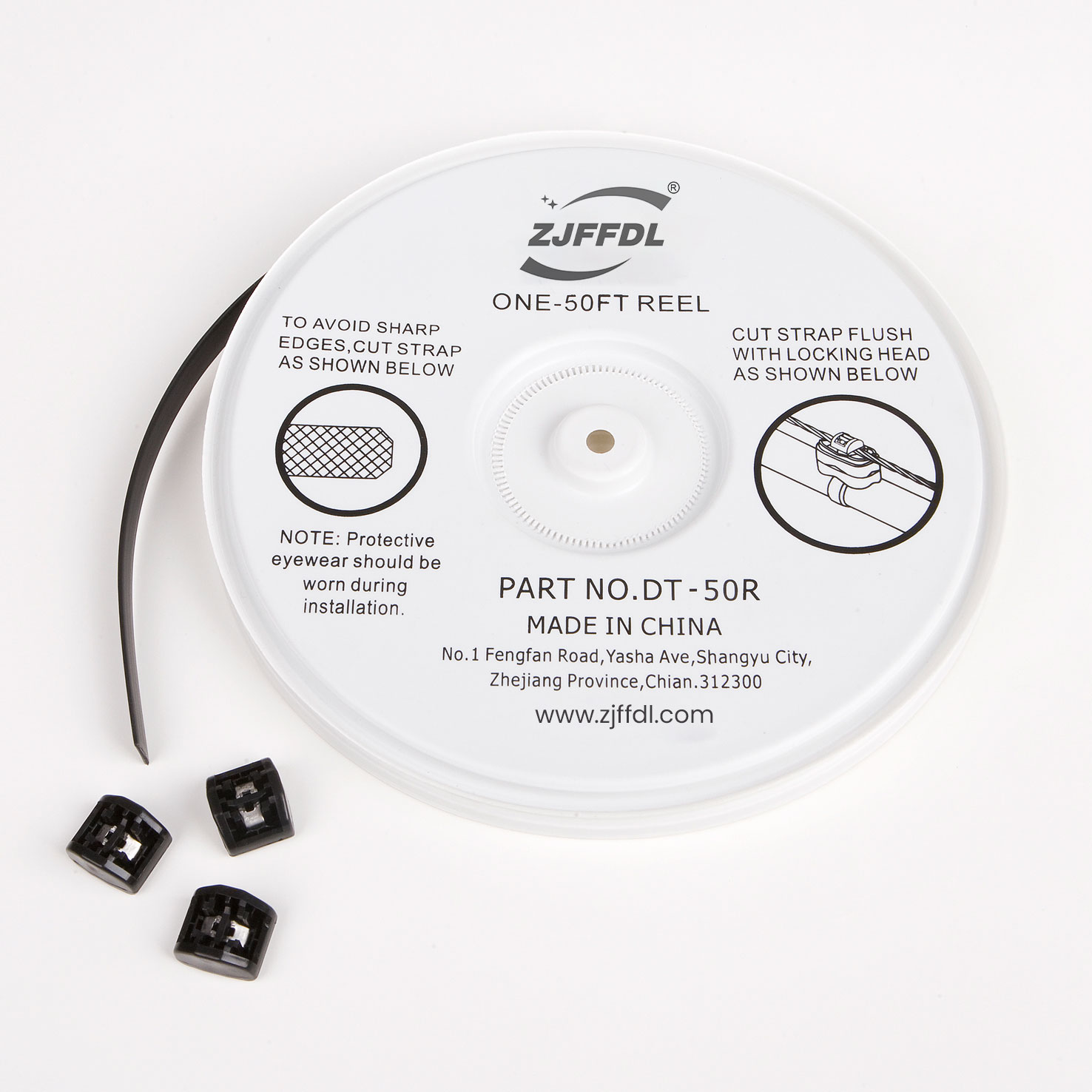
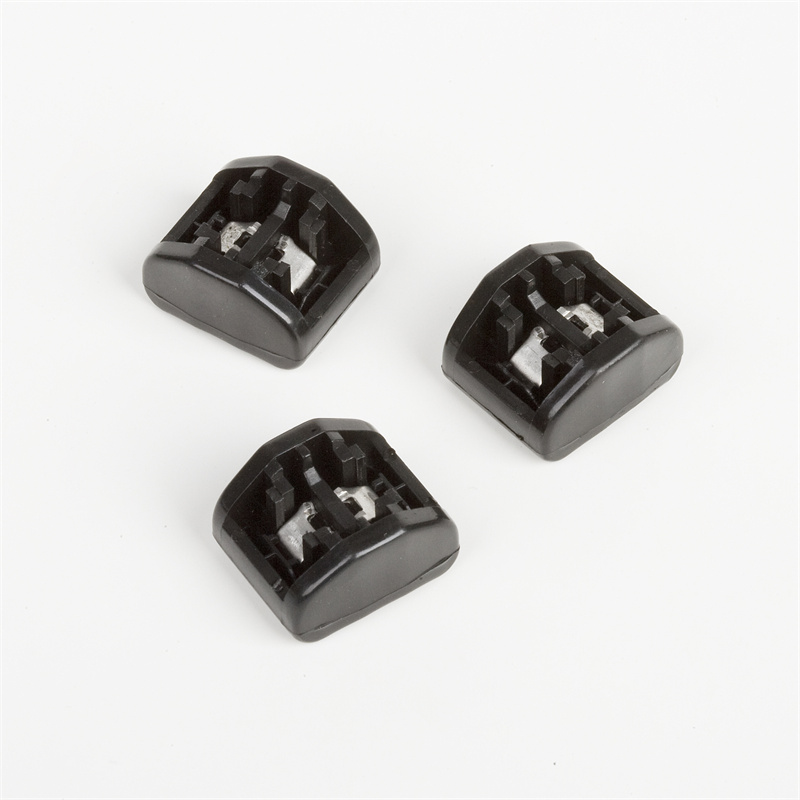
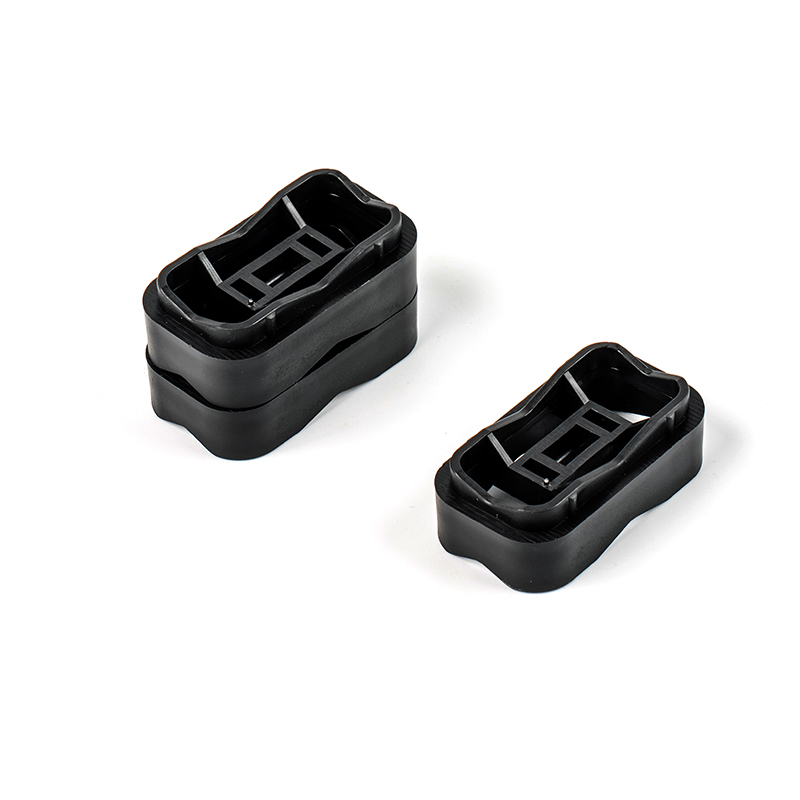
These are the outdoor-grade acetal fittings and a related tube clamp built with the same corrosion and weather logic, sized for cable bundling, strapping, and cable spacing in exposed environments.
Choosing between the two grades usually comes down to one question: will the part ever see direct sun, salt air, or wide temperature swings for more than a few weeks.
Standard acetal is a reasonable and lower-cost choice for cable ties and small fittings that stay inside enclosures, control panels, or climate-controlled facilities where UV and salt exposure are not a factor.
Seawater, salt spray, and constant sun make marine decks and offshore platforms one of the harshest environments for plastics. Weather-resistant acetal cable ties and straps hold their strength here far longer than standard grades, which matters since fittings on offshore equipment are rarely convenient to replace.
Aerospace fittings need to be lightweight, strong, and stable under both high temperature and radiation exposure. Weather-resistant acetal compounds are formulated to meet that combined demand, which is why they are specified for cable management components in aircraft and aerospace hardware.
Utility poles, rail corridors, and outdoor cabinets combine sustained sunlight with seasonal cold. Weather-resistant acetal ties and cable spacers are sized to stay serviceable across that full swing without needing yearly replacement.
Standard acetal and weather-resistant acetal share the same base chemistry, but only one of them is built to survive years outdoors. If the fitting will sit inside a cabinet, standard acetal is a fair economical option. If it will face sun, salt, or temperature extremes, the added stabilizer package in weather-resistant acetal is what keeps the tie, strap, or spacer from failing early in the field.
The single cable Cleats made of 316 stainless steel is used for cable management. It is corrosion-resistant, high-temperature resistant and meets international standards. It is suitable for various ha...
See Detail
Manufactured from high-grade 316 stainless steel, this cable management system is specifically designed for secure cable retention in power generation, petrochemical, marine, offshore platforms, and c...
See Detail
Brand Name: FengfanApproved Certificate: DNV & ABS.Product Description: Cable Fixing Band and ClipsThe Lower Cost Alternative to Cable Cleats Product Benefits- Low profile finish- 316 grade stain...
See DetailMobile: +86-136 7685 3958
Email: lihai.fan@zjffdl.com
Mobile: +86-188 57530390
Email: alan.huang@zjffdl.com
No. 1116 Yasha Ave, Cao’e Street, Shangyu District, Shaoxing City, Zhejiang, China, 312300


+86-0575-8215 2808
/8200 8688/8239 2526

+86-0575-8215 2066
Copyright ©Zhejiang Fengfan Cable Fittings Co.,Ltd.
