English
 中文简体

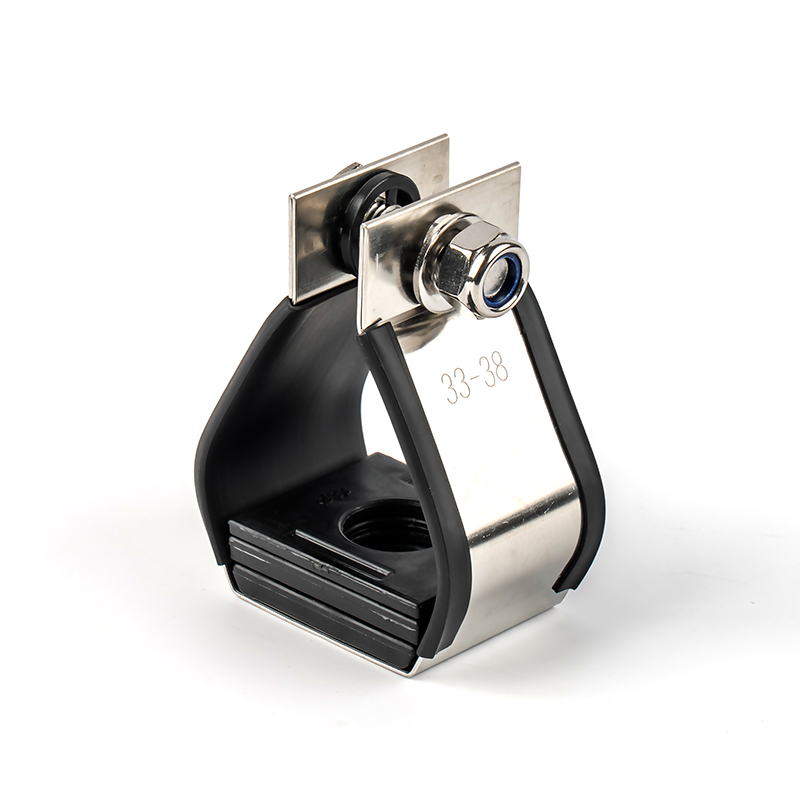
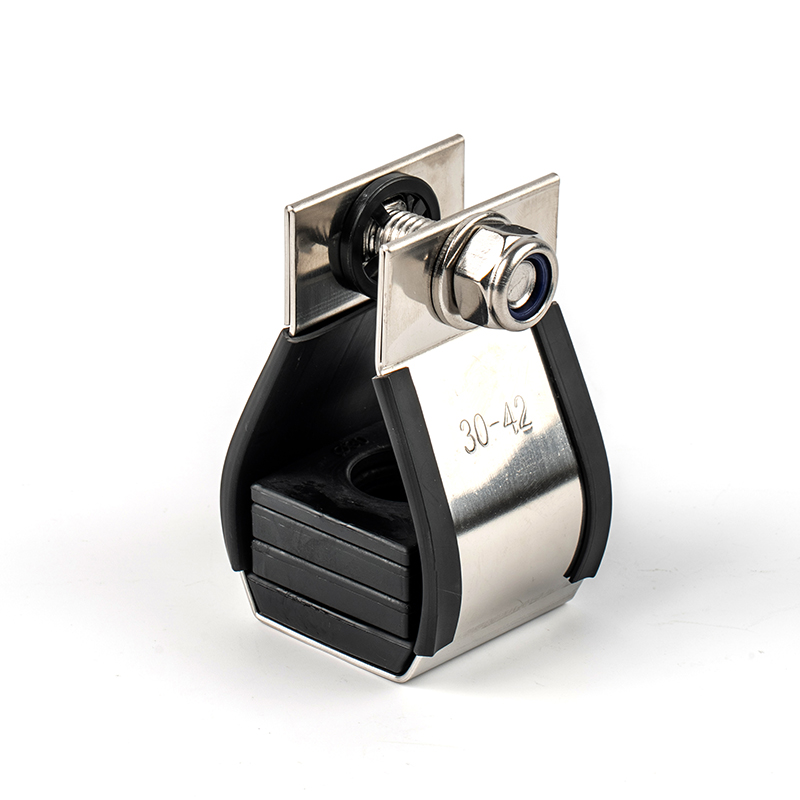
Cable ties are made mainly from nylon 6/6, stainless steel, or acetal, and the material choice decides whether the tie is a low-cost indoor bundling part or a long-life fixing for offshore, rail, or power equipment. A cable tie is a fastening device with a flexible strap, a locking head or buckle, and a tail that is pulled through to bundle cables, hoses, and other lines.
The short answer is that most plastic cable ties are injection-molded nylon 6/6. Metal cable ties are formed from stainless steel, usually 304 or 316, and may be coated. Weather-resistant acetal ties are molded from stabilized POM. Additives and coatings then adapt the base material to UV, heat, flame, chemical, or abrasion exposure.
What Are Cable Ties Made Of? The Short Answer
Most cable ties are made of nylon 6/6 because it offers a practical balance of flexibility, tensile strength, electrical insulation, and molded-in locking geometry. The strap and pawl are formed in one shot, so the material must bend, ratchet, and hold without cracking.
Nylon 6/6 is a polyamide. It absorbs some moisture, which can change dimensions and mechanical properties slightly. For dry indoor cable management, standard nylon is usually enough. For outdoor, high-heat, or flame-sensitive areas, buyers should specify UV-stabilized, heat-stabilized, or flame-retardant grades rather than assume that all black ties are equal.
- Nylon 6/6: general cable bundling, panel building, electrical cabinets, and indoor routing.
- Stainless steel: offshore, shipbuilding, rail, power, nuclear, and high-temperature exposure.
- Acetal: weather-resistant molded ties where stiffness and moisture resistance matter.
- Coatings and additives: UV protection, flame performance, abrasion protection, color coding, and chemical resistance.
Nylon 6/6: The Default Material for Most Plastic Cable Ties
Nylon 6/6 is the default material for general-purpose plastic cable ties because it can be molded into thin straps with strong ratchet teeth and a reliable pawl. It is tough, electrically insulating, and compatible with high-volume injection molding.
The material works well from roughly -40°C to 85°C in many standard grades, but the usable range depends on the grade and load. At elevated temperatures, nylon can creep under sustained tension, so a tie that holds a static bundle in a cool cabinet may not suit a warm enclosure or a vibrating machine. UV-stabilized nylon is used outdoors; heat-stabilized grades are used near engines, heaters, and electrical equipment; flame-retardant grades are used where fire performance is specified. Cold-weather grades are available for low-temperature handling.
Nylon also absorbs moisture. In humid or wet service, strength and dimensions can shift slightly. That does not rule out nylon, but it does mean the specification should match the environment. For outdoor use, look for a stated UV package and test data, not just a black color.
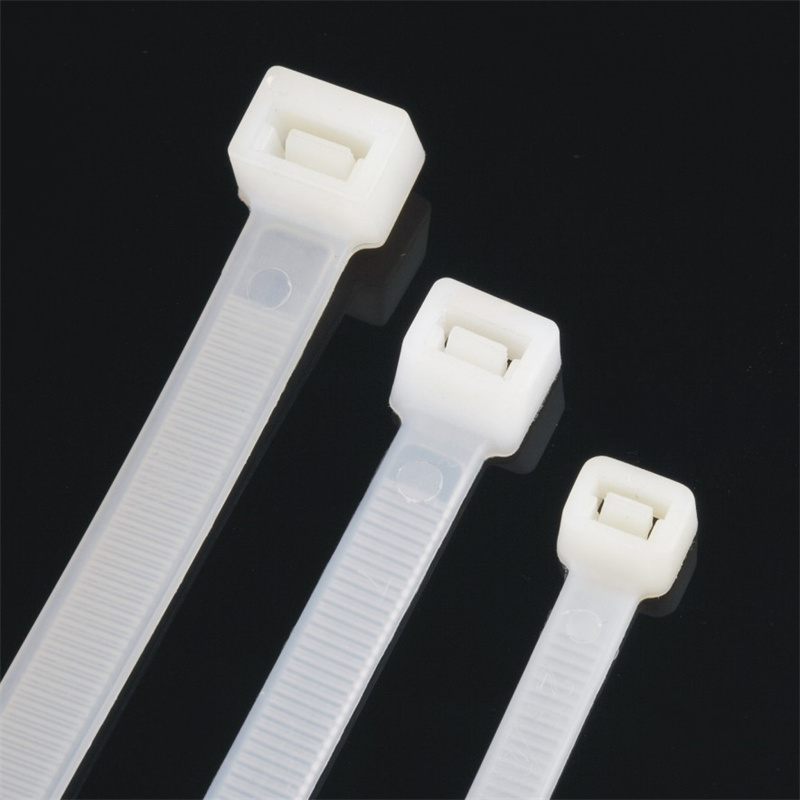 Nylon 66 Self-Locking Cable TiesOne-piece nylon 66 ties for cable bundling, with optional UV resistance and flame-retardant grades for suitable indoor or outdoor use.View Product →
Stainless Steel Cable Ties: When Metal Is the Better Choice
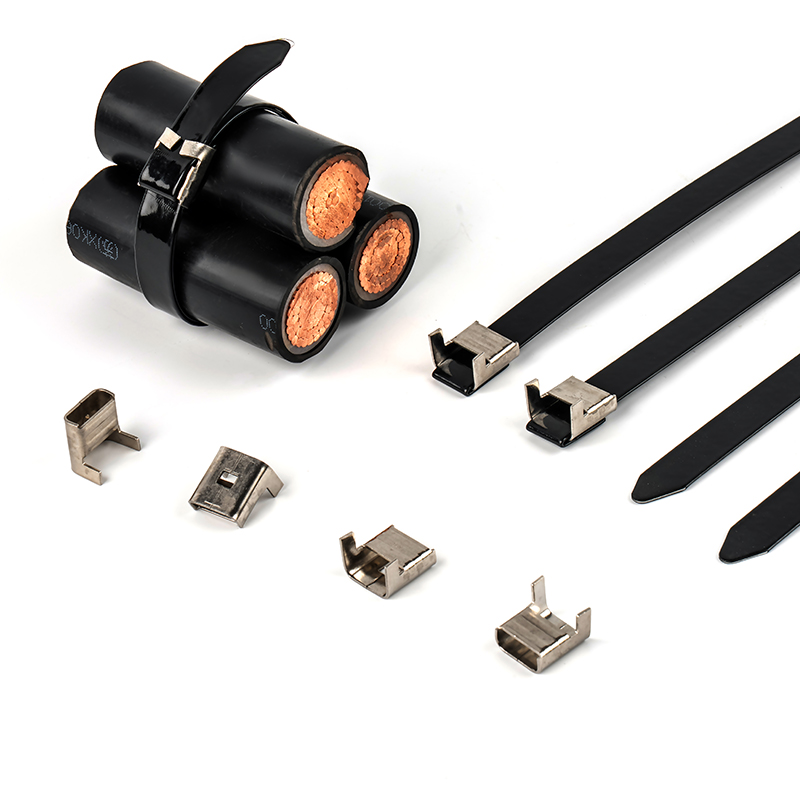
Stainless steel cable ties are the right choice when heat, corrosion, flame exposure, or long service life rules out plastic. They are made from stainless steel strip, usually 304 or 316, with ball-lock, ladder, L-type, or other locking designs. Grade 316 contains molybdenum and is generally preferred for saltwater, offshore, chemical, and coastal environments. Grade 304 is often adequate for general industrial use but has less chloride resistance.
Coatings matter. Uncoated stainless steel has high strength and wide temperature tolerance, but its edges can abrade soft cable jackets. Polyester, PVC, or PPA coatings add abrasion protection, color coding, and some electrical insulation. A coated tie is still a metal tie, so the coating should not be treated as a substitute for correct cable cleating or fault-current design.
Installation tools are part of the material system. Stainless ties need consistent tensioning and crimping to avoid sharp tails, under-tensioned bundles, or over-compressed cables. For a practical comparison of locking styles and coatings, see this guide to choosing stainless steel cable ties.
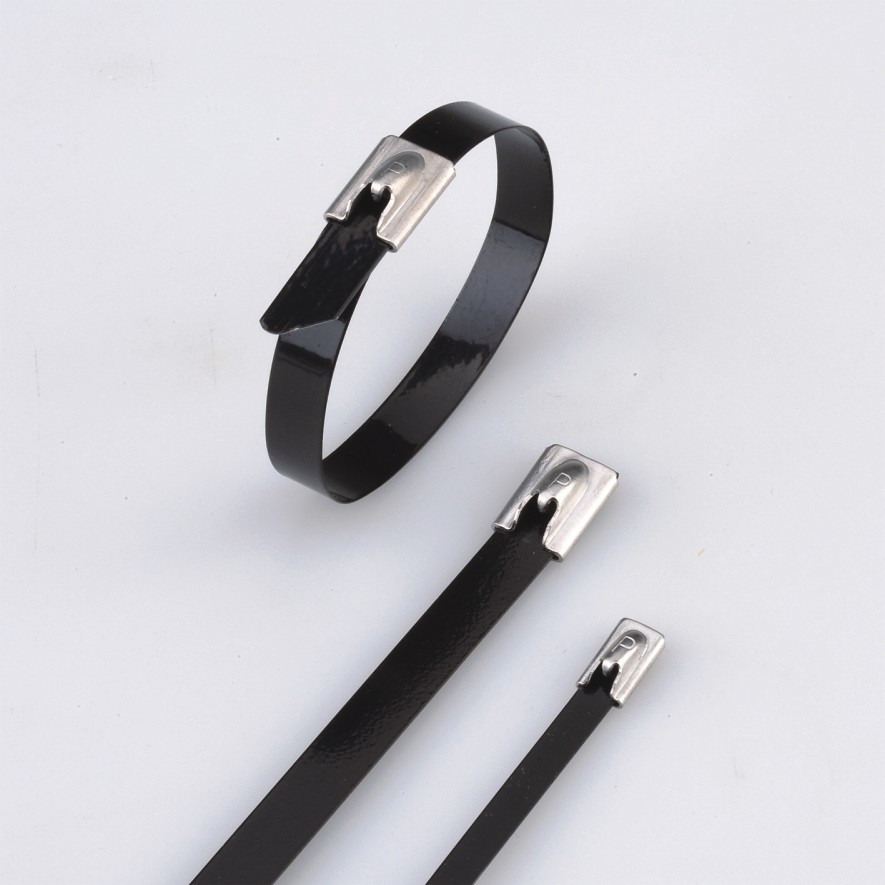 Polyester-Coated Stainless Steel Ball-Lock Cable Ties304 or 316 stainless steel ties with polyester coating and ball-lock buckle, available in multiple strengths for cable bundling.View Product →
Acetal, PE, PTFE, and Coatings: Specialized Cable Tie Materials
Acetal and specialty polymers solve problems that standard nylon cannot, while coatings add protection rather than changing the core material. Weather-resistant acetal ties are molded from stabilized polyoxymethylene, or POM. They are stiffer than nylon, resist moisture well, and are used where dimensional stability and weather exposure matter.
Because acetal is less flexible than nylon, check bend radius, cable jacket hardness, and the locking design before substituting it for nylon. Polyethylene ties are low-cost and chemical resistant but generally lower in strength. PTFE ties are specialty items for chemical resistance and high-temperature exposure. In practice, most buyers choose between nylon, stainless steel, and acetal first, then use additives or coatings to close the gap.
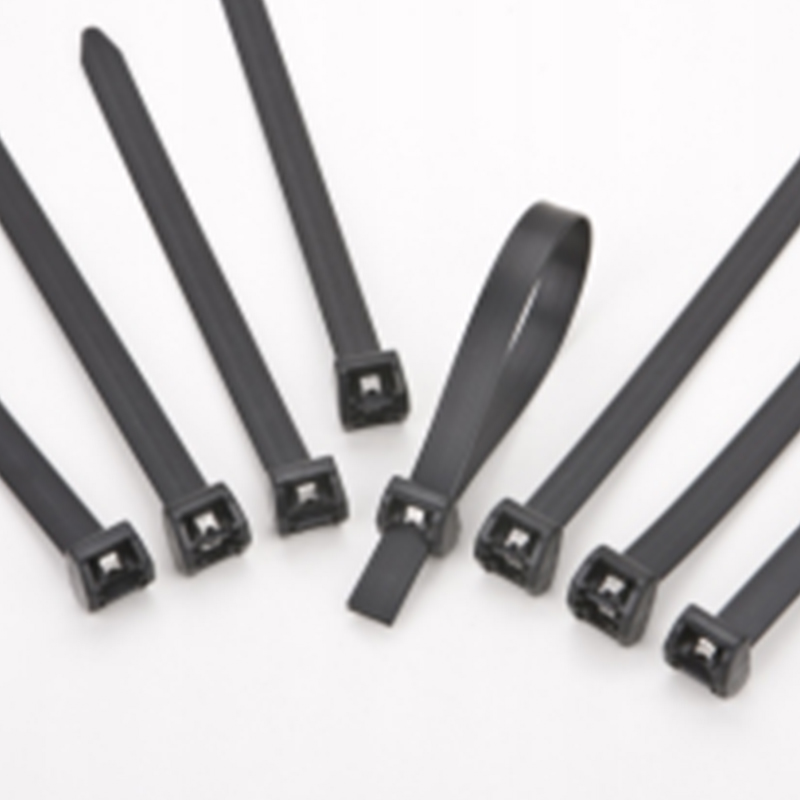 Weather-Resistant Acetal Double-Buckle Cable TiesBlack acetal ties with 304 stainless steel double locking barbs for outdoor cable securing, including messenger strand applications.View Product →
How Material Choice Changes Strength, Life, and Procurement Risk
Material choice changes the failure mode, not just the price. A nylon tie usually fails by creep, UV embrittlement, or tooth wear; a stainless tie usually fails at the locking point, at a sharp edge, or through corrosion if the wrong grade is used.
Use the table below as a first screen, then confirm the actual grade, tensile rating, temperature range, and test reports with the supplier.
| Material | Typical grade | Best fit | Watch-outs |
|---|---|---|---|
| Nylon 6/6 | Standard, UV-stabilized, heat-stabilized, flame-retardant | General bundling, electrical panels, indoor cable management | Creep under sustained load, moisture absorption, UV degradation in unstabilized grades |
| Stainless steel | 304 or 316, uncoated or coated | Offshore, rail, power, high heat, flame exposure, long service life | Wrong grade in chloride exposure, sharp edges, coating damage, tool compatibility |
| Acetal POM | Weather-resistant, stabilized | Outdoor molded ties, moisture exposure, dimensional stability | Lower flexibility than nylon, check bend radius and locking design |
| PE / PTFE | Specialty grades | Chemical resistance, low-cost bundling, specialty high-temperature use | Lower strength, limited availability, confirm actual service data |
A common procurement mistake is to compare only loop tensile strength. Tensile strength is measured under specific conditions, and it drops at elevated temperature or after UV exposure. The right question is not “What is the strongest tie?” but “Which material keeps enough strength in this environment for the service life we need?”
A Practical Material Checklist for Buyers
A reliable cable tie specification starts with the service environment, not with the lowest unit price.
- Define the environment: indoor, outdoor, UV, salt spray, chemical, flame, vibration, or high heat.
- Match the base material: nylon 6/6 for general bundling, stainless steel for harsh or high-temperature duty, acetal for weather-resistant molded ties.
- Specify the grade: 304 versus 316 stainless, UV-stabilized nylon, heat-stabilized nylon, flame-retardant grade, or metal-detectable grade.
- Check the coating: uncoated, polyester, PVC, PPA, or full and partial coating; confirm abrasion and insulation needs.
- Confirm the installation tool: tensioning, crimping, or automatic tools should match the tie width and locking type.
- Ask for documents: material certificate, tensile data, temperature range, UV test, flame rating, and RoHS or REACH declarations where required.
This checklist also helps separate a genuine material upgrade from a cosmetic one. A colored coating may improve identification, but it does not automatically improve UV resistance or chemical compatibility.
FAQ: Cable Tie Materials
Are all cable ties made of nylon?
No. Nylon 6/6 is the most common plastic tie material, but cable ties are also made from stainless steel, acetal, polyethylene, and PTFE, and some are coated for protection or identification.
What is the difference between 304 and 316 stainless steel cable ties?
Grade 316 stainless steel has better chloride and corrosion resistance than 304, which is why it is usually specified for offshore, coastal, and chemical exposures. Grade 304 can work in milder indoor or industrial conditions.
Are UV-stabilized nylon ties suitable for outdoor use?
UV-stabilized nylon ties are made for outdoor exposure, but service life still depends on sunlight intensity, temperature, load, and the specific grade. A black tie is not automatically UV-stabilized; ask for the material specification and test data.
Can plastic cable ties be used in high-temperature areas?
Standard nylon ties have limited heat resistance. Heat-stabilized grades improve performance, but stainless steel ties are usually the safer choice where temperatures are high, cycling, or combined with flame risk.
Do coatings change the strength of a stainless steel cable tie?
The coating is mainly for abrasion protection, color coding, and electrical insulation. The load-bearing member is still the stainless steel band, so the locking design, band width, and grade determine the strength.
The practical answer to what cable ties are made of is a material system, not a single plastic. Nylon 6/6 covers most indoor and general-purpose bundling, stainless steel covers harsh and high-temperature duty, and acetal covers weather-resistant molded applications. Additives and coatings then fine-tune UV, flame, chemical, and abrasion performance.
As a cable tie and cable cleat manufacturer serving offshore, shipbuilding, rail, power, telecom, and industrial projects, Zhejiang Fengfan Cable Fittings Co., Ltd. produces stainless steel cable ties, nylon cable ties, weather-resistant acetal ties, cable cleats, markers, clamps, and installation tools. The right starting point is the service environment; the right finish is a written specification that matches material, coating, tooling, and test data.