


 English
 中文简体
+86-0575-8215 2808
/8200 8688/8239 2526
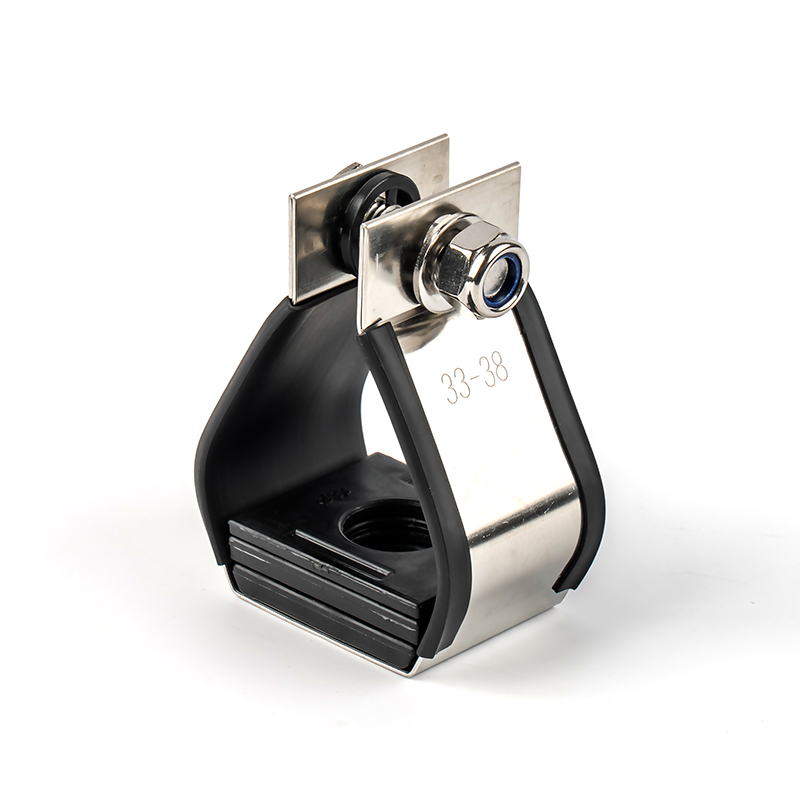
The single cable Cleats made of 316 stainless stee...
View more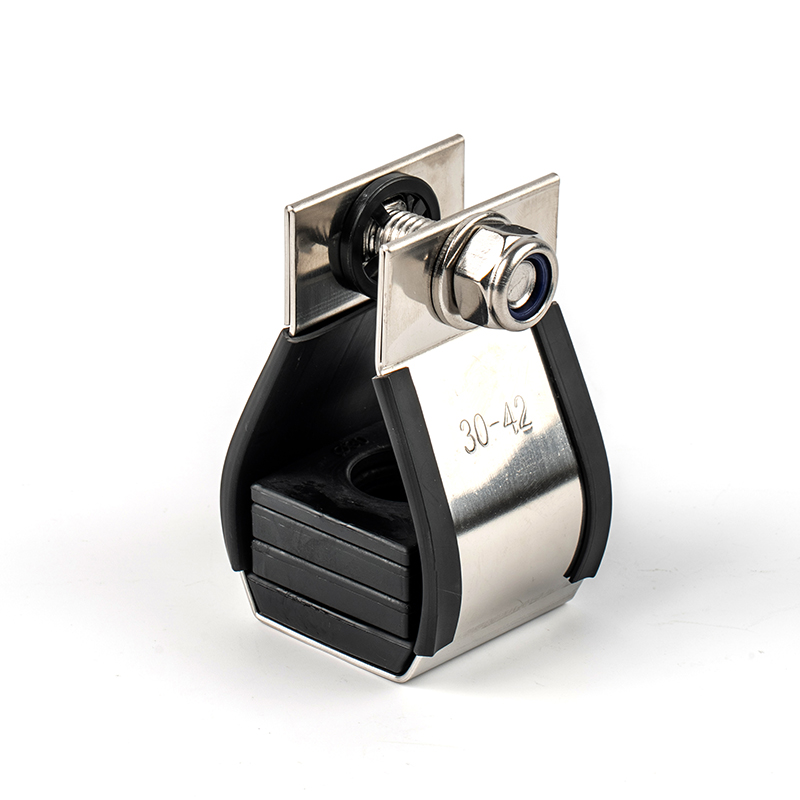
Manufactured from high-grade 316 stainless steel, ...
View more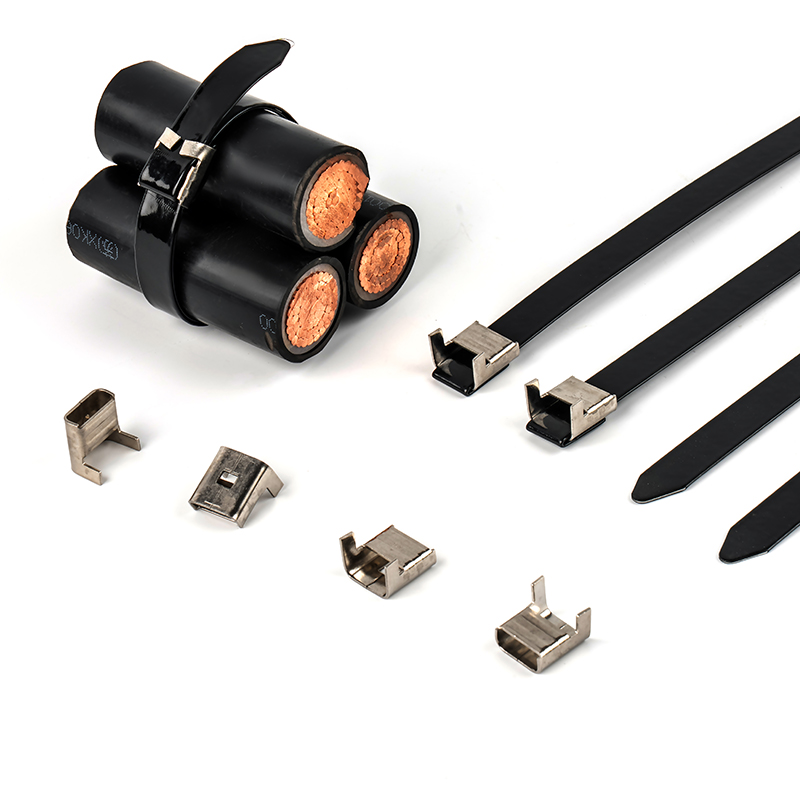
Brand Name: FengfanApproved Certificate: DNV &...
View moreContent
A specifier sends a cable-tie sample for a rooftop solar project. The datasheet says "UL listed," the drawing says "UL recognized," and the purchase order says "UL approved." Those phrases are not interchangeable, and one of them is not an official UL mark.
UL stands for Underwriters Laboratories. In practice, the name now refers to the safety standards and certification work carried out by UL Standards & Engagement and UL Solutions. UL develops safety standards and tests products against them. For cable management, the useful question is not simply "Is it UL?" but "Which UL mark, to which standard, for what scope, and can I verify it?"
UL is a private safety science organization, not a government regulator. It was founded in 1894 and today works across electrical, fire, mechanical, chemical, and other safety topics. Many UL standards become part of codes, purchasing specifications, or insurer requirements.
A manufacturer may use UL to show that a representative sample met a published standard. Ongoing factory surveillance, often called follow-up service, helps keep production consistent with the tested construction. The mark matters because it gives buyers a common technical language. It does not replace application engineering. A stainless steel tie tested for tensile strength may still be wrong for a salt-spray environment if the grade or coating is wrong. A nylon tie that satisfies a flame test may still fail outdoors under UV. UL narrows one category of risk; it does not choose the product for you.
The label wording is the first clue. UL does not "approve" products in the way many buyers assume. It lists, recognizes, classifies, or verifies them within a defined scope.
| Term | What it usually means | Typical use | What to verify |
|---|---|---|---|
| UL Listed | A complete product or system evaluated to the applicable UL standard and found compliant. | Finished equipment or a product sold as a complete item. | Exact product identity, ratings, file number, and whether the mark covers the U.S., Canada, or both. |
| UL Recognized | A component or material intended for use inside another product, often marked with a "UR" component symbol. | Components used by equipment makers and assemblers. | Conditions of acceptability and whether the component is suitable for the final assembly. |
| UL Classified | Evaluation limited to specific properties, hazards, or conditions rather than a full product listing. | Products whose claim is limited to particular performance or safety characteristics. | The classification scope; do not treat it as a full listing. |
| UL Verified | Verification of a defined performance claim, not a general safety listing. | Marketing or performance claims where a specific test method is used. | What claim was verified and which protocol applies. |
"UL approved" is not the correct term. That wording matters in a specification because it tells the supplier which evaluation route you expect and tells the reviewer what record to check.
Cable accessories are small, but failures are rarely small. A loose tie can abrade a cable jacket. A cleat that cannot hold during cable movement can allow shifting, chafing, or damage in a tray or on a rack. In offshore, shipyard, rail, power, telecom, and industrial projects, buyers often see UL requirements in four places:
For cable ties, the relevant standard is often UL 62275, but edition, product construction, and certification scope still need checking. A mark on a carton is not enough if the size, material, coating, or rating differs from the approved record.
A mark is only one line in a specification. These details decide whether the part works:
For corrosion-sensitive work, material grade and coating are not minor details. A 316 stainless steel tie with a polyester coating may suit one outdoor application, while an uncoated tie may damage softer jackets or offer less protection in a chemical environment.
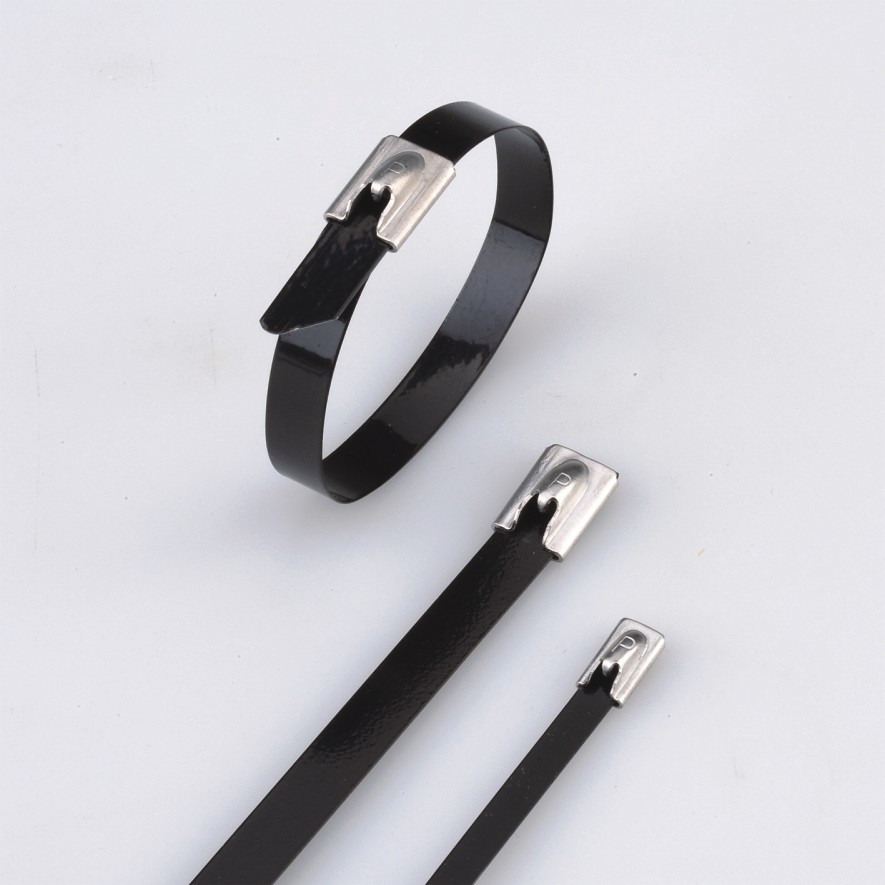 Polyester-Coated 304/316 Stainless Steel Ball-Lock Cable TiesFor corrosion-sensitive or outdoor bundling, these 304/316 stainless ties add a polyester coating and ball-lock buckle, with 710–2000 N tensile options.View Product →
For dry indoor bundling, lock type and tensile rating still matter. A self-locking nylon tie can be a practical choice, but flame rating, UV exposure, and cable bundle weight should be checked before approval.
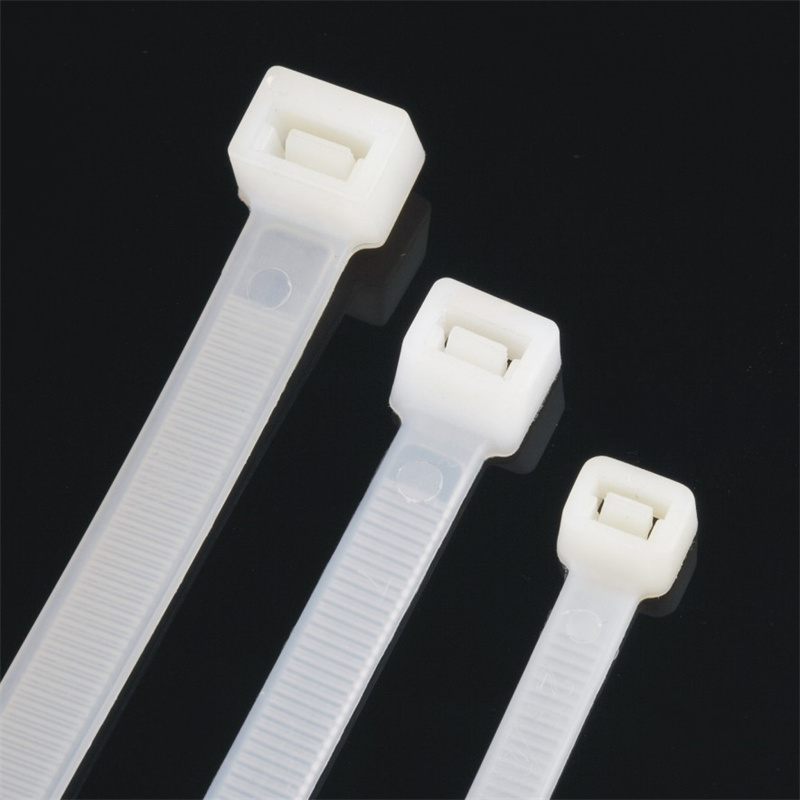 Self-Locking Nylon 66 Cable Ties with UL94 V-2 RatingFor dry indoor bundling, these self-locking Nylon 66 ties offer UL94 V-2 flame rating and 80–534 N tensile strength, with optional UV and V-0 grades.View Product →
If a supplier cannot provide a file number, or the directory record does not match the product, pause. A scanned certificate alone is weak evidence because it may cover a different size, material, or factory.
Cable management covers fixed clamps, stainless steel ties, nylon ties, markers, and installation tools. Each has different failure modes. For a deeper comparison of constructions, see this guide to stainless steel cable ties. A UL mark can support a safety review, but it does not tell you whether a 316 stainless tie is over-specified for an indoor cabinet or whether a nylon tie is under-specified for a coastal jetty.
When cable movement or fault-current restraint is the concern, a cleat's clamping force, liner, and short-circuit performance matter as much as the logo. Review the product family, then verify the exact certification scope for the size and configuration you plan to use.
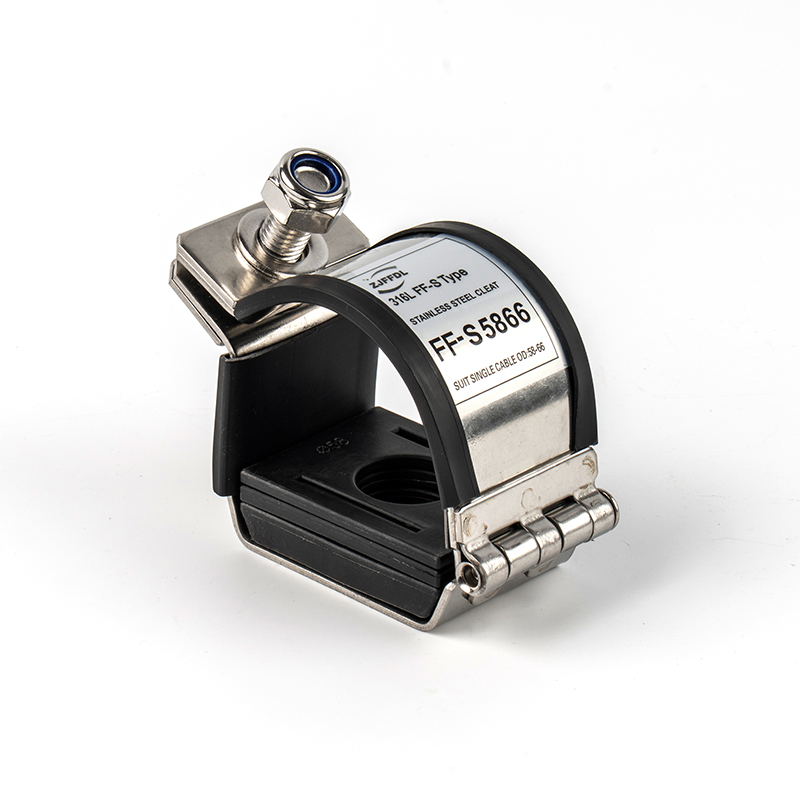 316 Stainless Steel ES Series Single Cable CleatsFor cable movement and fault-current restraint, the ES series 316 stainless single cleats cover 32–150 mm cables and help retain tray runs under short-circuit conditions.View Product →
Use the same discipline for installation tools. A tensioning tool that is not set correctly can under-tension a bundle or over-tension a cable, even when the tie itself carries the right mark.
No. UL is a private standards and certification organization; CE marking is a European regulatory declaration framework. They address different legal systems, standards, and evidence. A product can carry one, both, or neither depending on market and scope.
No mark guarantees every installation. It indicates that the product or component was evaluated to an applicable standard within a defined scope, and in many cases that production is subject to follow-up. Correct selection, installation, inspection, and maintenance still decide field performance.
No. Use UL Listed, UL Recognized, UL Classified, or UL Verified, as applicable. "Approved" sounds authoritative but is not the official terminology and can create confusion in purchase orders.
No. Product type, market, customer requirement, and standard scope vary. Some cable ties are certified, some are recognized components, and some are sold without UL certification for applications where it is not required. Ask for the specific mark and record rather than a general claim.
Ask for the product identity, UL file number, standard and edition, ratings, conditions of acceptability if recognized, and a link to the official directory record. Match those details to the datasheet and purchase order.
Bottom line: UL is a safety standards and certification organization, and the mark on a cable accessory is a scoped technical claim, not a slogan. The next time a supplier says "UL approved," ask which mark, which standard, which file number, and which product. That short exchange will tell you more than a page of marketing copy.
The single cable Cleats made of 316 stainless steel is used for cable management. It is corrosion-resistant, high-temperature resistant and meets international standards. It is suitable for various ha...
See Detail
Manufactured from high-grade 316 stainless steel, this cable management system is specifically designed for secure cable retention in power generation, petrochemical, marine, offshore platforms, and c...
See Detail
Brand Name: FengfanApproved Certificate: DNV & ABS.Product Description: Cable Fixing Band and ClipsThe Lower Cost Alternative to Cable Cleats Product Benefits- Low profile finish- 316 grade stain...
See DetailMobile: +86-136 7685 3958
Email: lihai.fan@zjffdl.com
Mobile: +86-188 57530390
Email: alan.huang@zjffdl.com
No. 1116 Yasha Ave, Cao’e Street, Shangyu District, Shaoxing City, Zhejiang, China, 312300

+86-0575-8215 2808
/8200 8688/8239 2526

+86-0575-8215 2066
Copyright ©Zhejiang Fengfan Cable Fittings Co.,Ltd.
