


 English
 中文简体
中文简体
+86-0575-8215 2808
/8200 8688/8239 2526
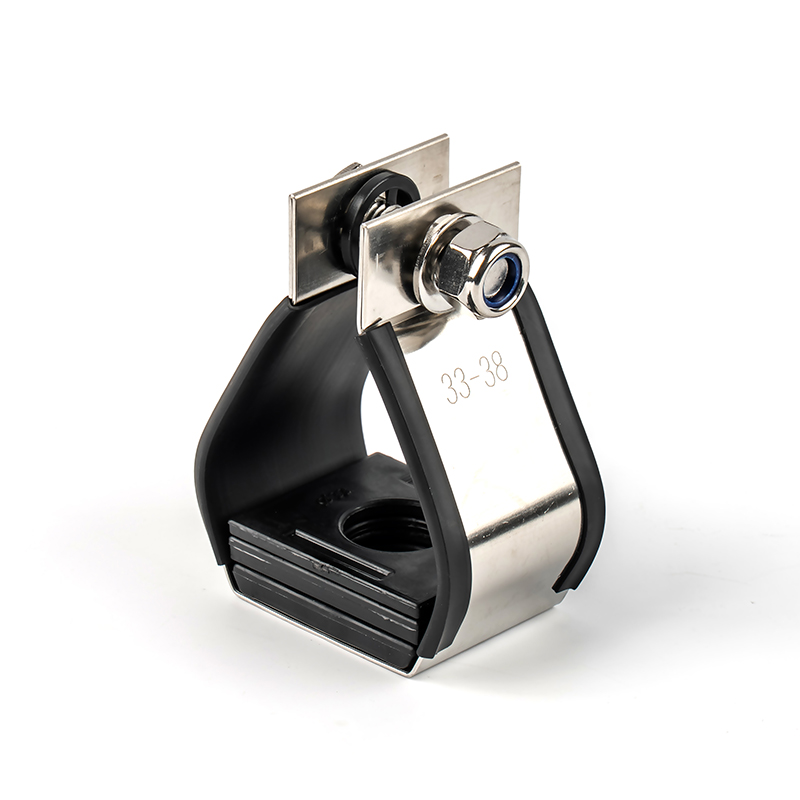
The single cable Cleats made of 316 stainless stee...
View more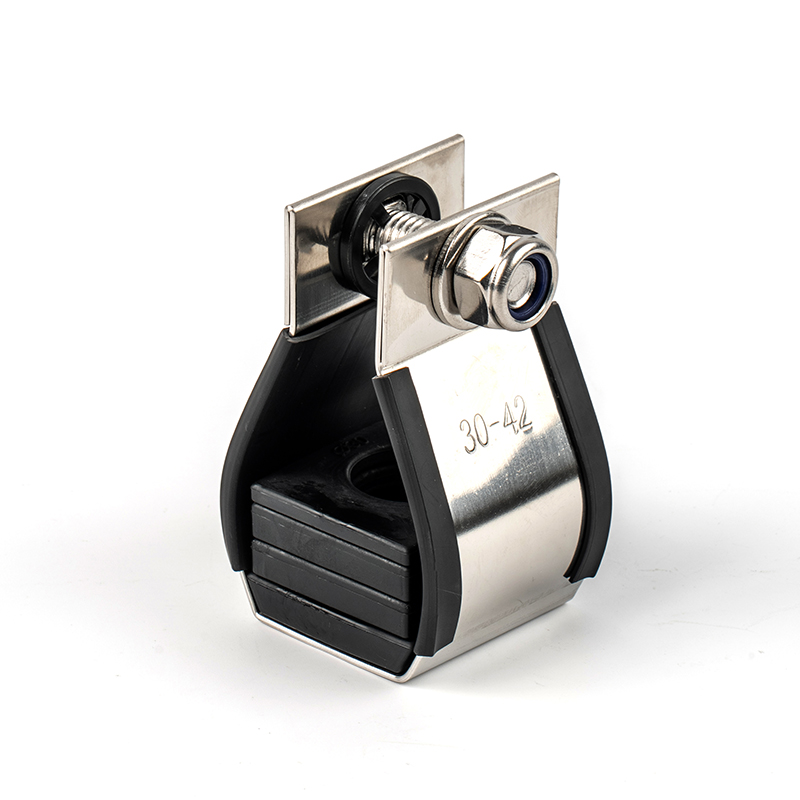
Manufactured from high-grade 316 stainless steel, ...
View more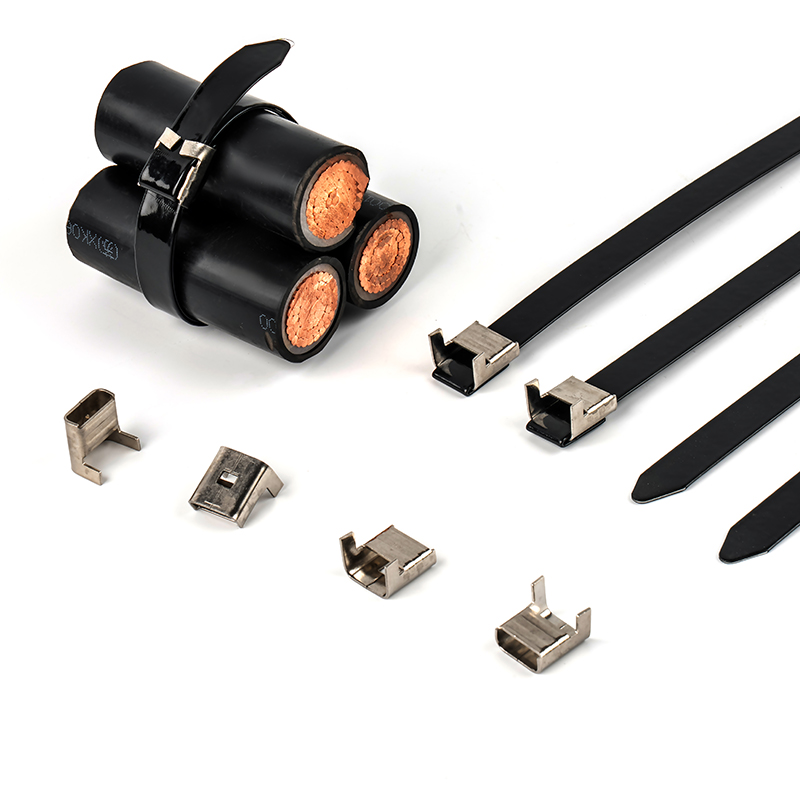
Brand Name: FengfanApproved Certificate: DNV &...
View moreContent
When a pipe carries steam at 180°C inside a coastal processing plant, a plastic label can soften and slide off before the next maintenance shift. The crew needs a tag that stays readable for years, not months. Stainless steel tags for pipes are the most dependable answer because they combine corrosion resistance, heat tolerance, and physical strength in one product.
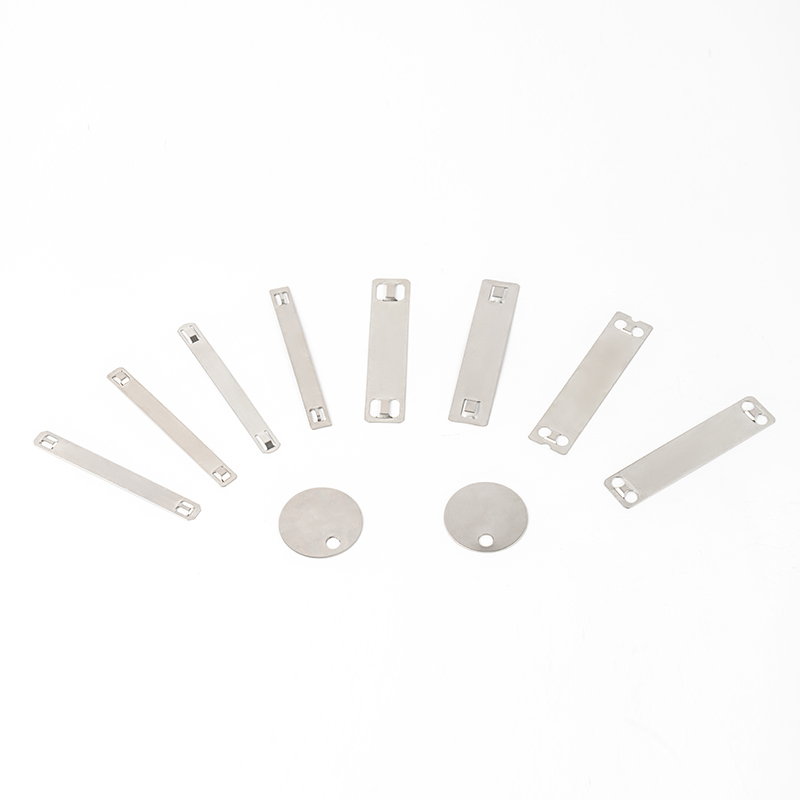 Stainless Steel Tags Suppliers, Company - Zhejiang Fengfan Cable Fittings Co.,LtZhejiang Fengfan Cable Fittings Co.,Ltd is China OEM/ODM Stainless Steel Tags suppliers and company, Professional wholesale Stainless Ste...View Product →
This guide explains why stainless steel is preferred for pipe identification, how to select the right material and thickness, and how to attach tags without compromising pipe integrity. It also references practical products from a manufacturer that specializes in industrial cable and pipe identification.
Pipe tags have a simple job: stay attached and stay legible. The environment, however, makes that job difficult. Heat, condensation, salt spray, solvents, dirt, and vibration all attack the tag. Stainless steel resists these forces because its chromium-rich surface forms a self-healing oxide layer. That layer prevents rust and pitting much longer than painted aluminum or plastic.
The table below compares common pipe tag materials across the properties that matter most in industrial settings.
| Material | Heat Resistance | Corrosion Resistance | Abrasion Resistance | Service Life |
|---|---|---|---|---|
| Stainless steel (304/316) | 5 | 5 | 5 | Long |
| Aluminum | 3 | 3 | 3 | Medium |
| PVC / coated plastic | 2 | 4 | 2 | Short |
| Paper / polyester label | 1 | 2 | 1 | Short |
Overall durability score among the four materials shown above.
If you work in a marine, chemical, or high-temperature environment, 316 stainless steel offers additional protection from chloride attack. A tag made from 316 can survive decades of exposure that would destroy a polyester label within weeks.
Choosing a pipe tag is not just about picking a metal rectangle. You need to match the tag to the site conditions and the identification system it supports.
Use 304 stainless steel for dry indoor lines at moderate temperatures. Use 316 stainless steel for coastal plants, offshore platforms, wastewater treatment, or any area with chlorides and humidity. Many pipe tag specifications also call for a matte or brushed finish to reduce glare and improve readability.
Thicker tags, usually 0.4 to 0.8 mm, withstand stronger impact and bending. Thinner tags bend more easily around small-diameter pipes but may vibrate and crack over time. For outdoor service, select a tag with rounded or deburred edges to reduce snagging and corrosion starts.
Stamping, embossing, and laser engraving are the most permanent marking methods. Inkjet or adhesive labels on stainless steel are less durable. If the legend will be read from a distance, choose a tag size large enough for legible characters. For pipe marking that follows ANSI/ASME A13.1, use the required legend wording and letter size, then add a stainless steel tag with an asset number for permanent tracking.
In plants that already use stainless steel cable ties, a matching tag and tie system keeps inventory simple. Easy-read stainless steel markers provide clear text fields and are designed for direct wire, cable, or pipe identification.
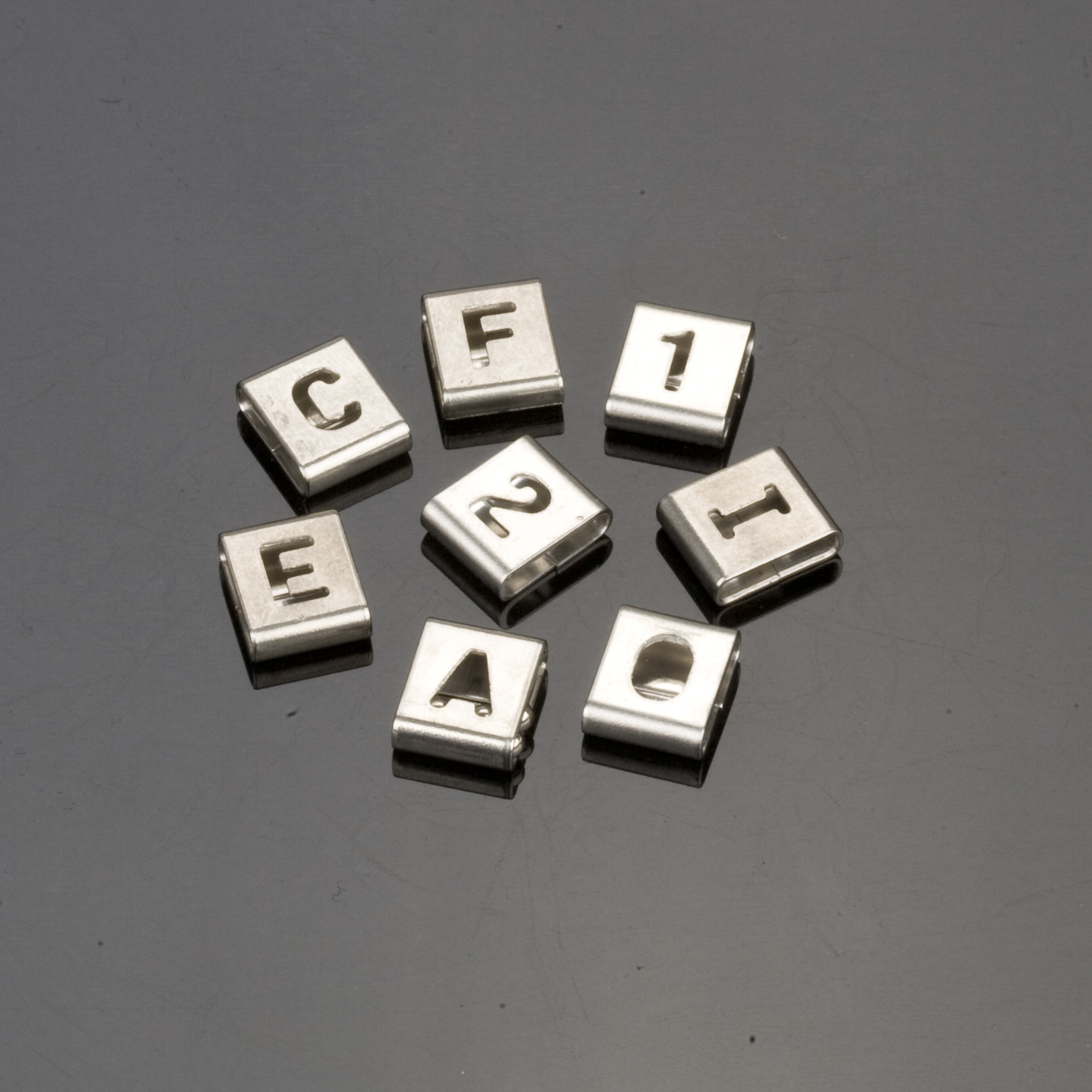 Stainless Steel Easy Read Markers Suppliers, Company - Zhejiang Fengfan Cable FiZhejiang Fengfan Cable Fittings Co.,Ltd is China OEM/ODM Stainless Steel Easy Read Markers suppliers and company, Professional wholesale ...View Product →
Approximate share of stainless steel pipe tag demand by industry, based on typical industrial usage patterns.
A stainless steel tag is only effective when it stays correctly positioned. The most common and reliable attachment methods are:
Cable ties are the quickest option for maintenance crews. Use a self-locking or ball-lock tie made from the same stainless steel grade as the tag to avoid galvanic corrosion. For general reference, stainless steel cable ties are available in both coated and uncoated forms. Uncoated ties suit high-temperature pipes; coated ties help prevent metal-to-metal contact where vibration or galvanic concerns exist.
One practical field option is an uncoated ball-lock tie that can be released and retensioned during maintenance. Ball-lock uncoated stainless steel cable ties are removable, reusable, and easy to install without special tools.
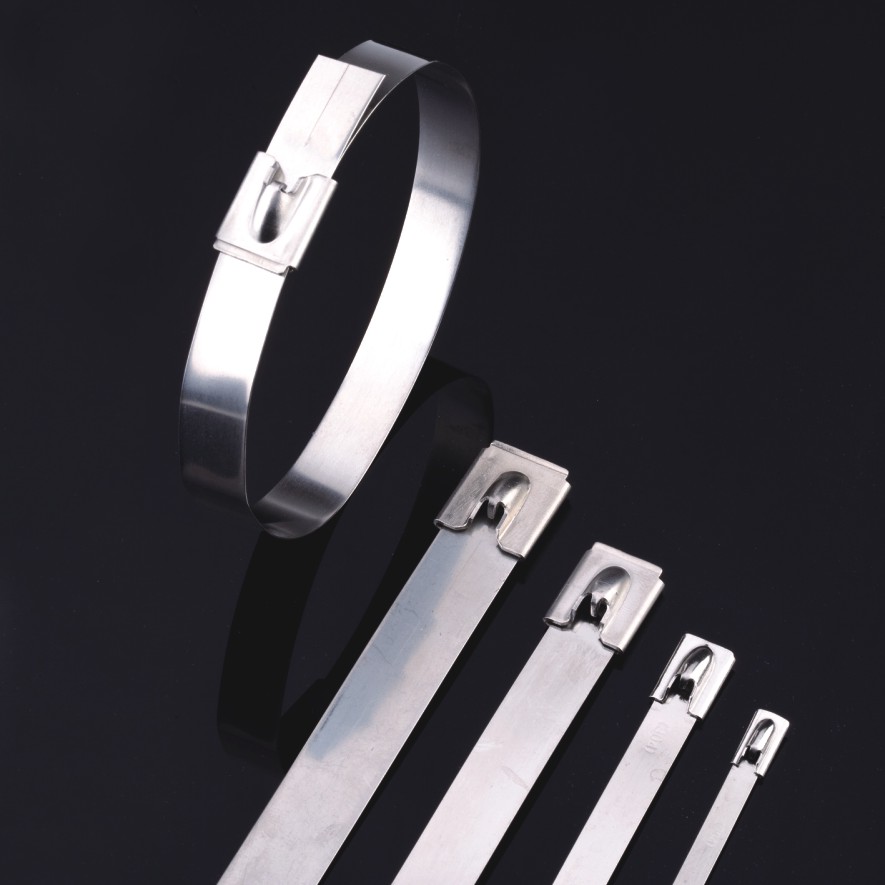 Ball-Lock Uncoated Stainless Steel Cable Ties Suppliers, CompanyZhejiang Fengfan Cable Fittings Co.,Ltd is China OEM/ODM ball-lock uncoated stainless steel cable ties suppliers and company, Professiona...View Product →
When attaching a tag, place it above or beside the pipe where the eye can see it. Avoid burying the tag under insulation. Leave about 3 to 5 mm of slack in the tie so thermal expansion does not put stress on the tag.
Yes. Uncoated stainless steel tags handle the surface temperatures typically found on live steam process piping. For hot service, avoid plastic-coated attachment ties unless the coating is rated for the same temperature.
316 contains molybdenum, which improves resistance to chlorides and pitting corrosion. Use 316 for coastal or chemical environments; 304 is often sufficient for dry interiors.
Use a ball-lock or self-locking stainless steel tie. Slip the tie through the tag hole, wrap it around the pipe, and close the head. Ball-lock ties can be reopened with a simple screwdriver, allowing adjustment.
The single cable Cleats made of 316 stainless steel is used for cable management. It is corrosion-resistant, high-temperature resistant and meets international standards. It is suitable for various ha...
See Detail
Manufactured from high-grade 316 stainless steel, this cable management system is specifically designed for secure cable retention in power generation, petrochemical, marine, offshore platforms, and c...
See Detail
Brand Name: FengfanApproved Certificate: DNV & ABS.Product Description: Cable Fixing Band and ClipsThe Lower Cost Alternative to Cable Cleats Product Benefits- Low profile finish- 316 grade stain...
See DetailMobile: +86-136 7685 3958
Email: lihai.fan@zjffdl.com
Mobile: +86-188 57530390
Email: alan.huang@zjffdl.com
No. 1116 Yasha Ave, Cao’e Street, Shangyu District, Shaoxing City, Zhejiang, China, 312300


+86-0575-8215 2808
/8200 8688/8239 2526

+86-0575-8215 2066
Copyright ©Zhejiang Fengfan Cable Fittings Co.,Ltd.
