


 English
 中文简体
中文简体
+86-0575-8215 2808
/8200 8688/8239 2526
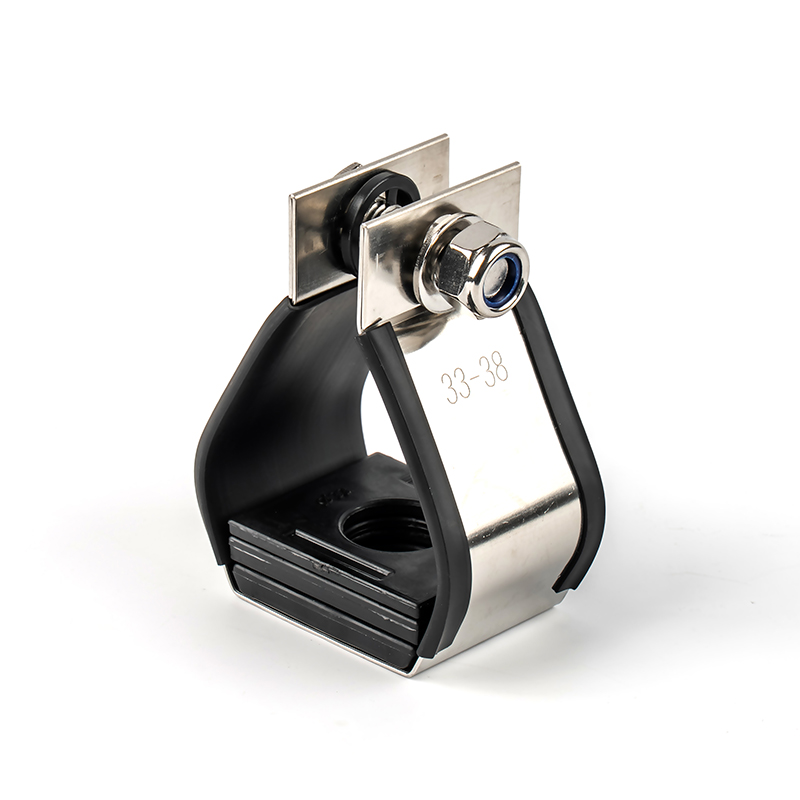
The single cable Cleats made of 316 stainless stee...
View more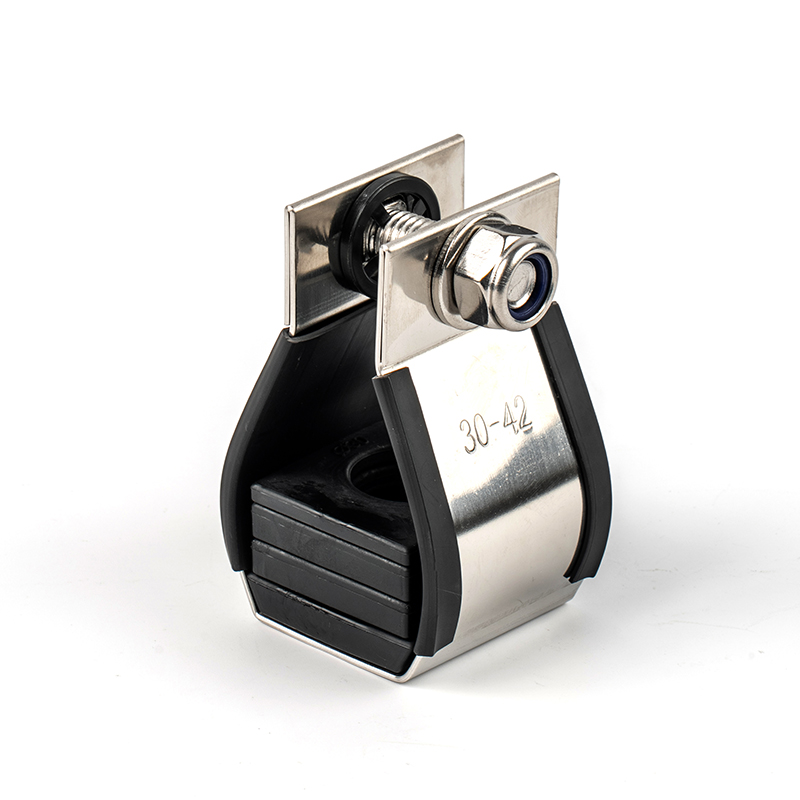
Manufactured from high-grade 316 stainless steel, ...
View more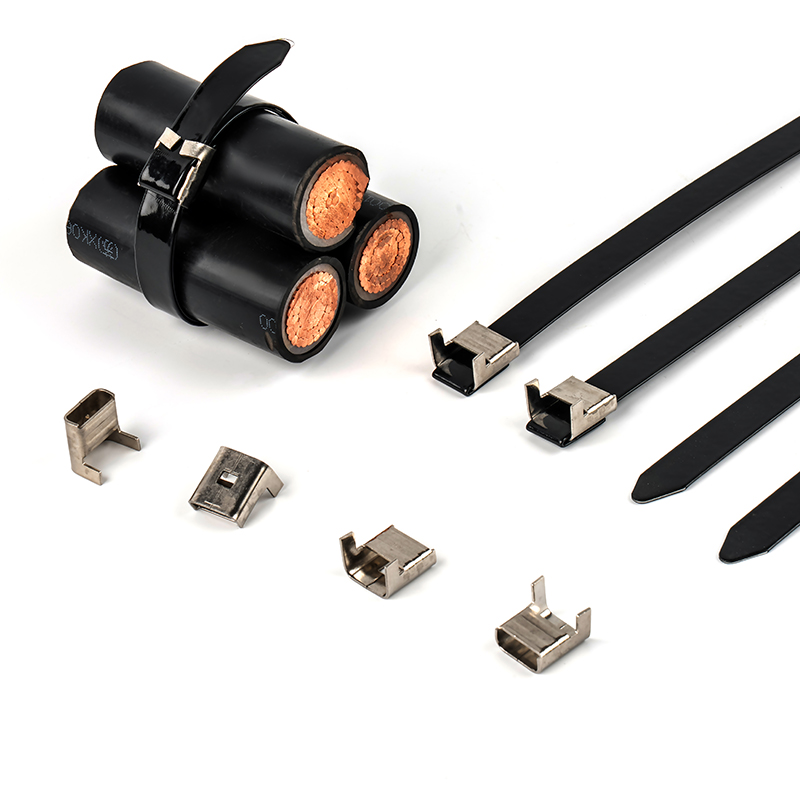
Brand Name: FengfanApproved Certificate: DNV &...
View moreContent
Walk through any food or pharmaceutical plant today, and you will see cable ties securing hoses, guarding cables, and mounting labels. One loose plastic tail can become a foreign object if the tie is broken and the fragment enters the production line. Metal detectable zip ties close that risk. They look like standard nylon ties but contain metal particles that trigger metal detectors and show up on X-ray systems. This guide explains how they work, where they are required, and how to choose the right design. It also clarifies the difference between metal detectable, metallic, and solid metal ties.
Metal detectable zip ties are molded from a polymer base, usually nylon 6/6 or acetal, with a controlled amount of metal additive in the compound. The additive is not enough to make the tie rigid or conductive, but it is enough to change the way the tie interacts with a metal detector or X-ray scanner. Some manufacturers use ferritic or austenitic stainless steel particles; others use a mix of powders that respond to both magnetic and non-magnetic detectors. The term “metal detectable” refers to detection, not to the material itself. The tie remains a plastic product.
Do not confuse these with metallic ties, which are ordinary plastic ties coated to look like metal, or with stainless steel ties, which are completely metal. Our guide to stainless steel cable ties covers the construction and uses of the metal version.
In food and beverage processing, pharmaceutical formulation, and cosmetics packaging, physical contamination is a major hazard. A broken piece of a standard nylon tie can be nearly invisible to sorting systems and X-rays because nylon has low density and is not electrically conductive. A metal detectable tie is engineered to be caught. This is not just good practice; it supports compliance with international food safety schemes such as HACCP, BRCGS, FSSC 22000, and IFS. These standards require facilities to identify potential physical hazards and to use controls that are effective at detecting equipment, raw material, and packaging debris.
Detectable ties also help with visual inspection. Most are manufactured in bright blue, a color rarely found in food products. Blue is a standard choice in the food industry because it contrasts strongly against meat, dairy, sauces, and ready meals. Some plants choose orange or green for different areas.
Not all “metal-looking” ties are the same. The table below compares three common categories.
| Type | Material | Detectability | Typical applications | Common limitations |
|---|---|---|---|---|
| Metal detectable zip tie | Polymer (nylon or acetal) with metal additive | High with metal detector and X-ray | Food plants, pharma, cosmetics | Lower strength than steel; not for high heat |
| Standard nylon cable tie | Nylon 6/6 or 12 | Low or none | General cable bundling, maintenance | Invisible to detectors; low heat resistance |
| Metallic (coated) tie | Nylon with metallic paint or plating | Low to moderate, coating-dependent | Decorative and light-duty use | Coating can peel; not designed for detection |
| Stainless steel cable tie | 304 or 316 stainless steel | Very high | Extreme heat, marine, heavy industry | Conductive; expensive; not flexible |
In most cases, a metal detectable nylon tie is the right choice for food and pharma applications. If your process involves high heat or heavy abrasion, stainless steel becomes a better option.
The efficiency of a metal detector depends on the size of the conductor, its position in the aperture, and the speed of the line. A tie with too little metal may only be picked up when the bundle is oriented in a specific way. Ask your supplier for a sample batch and run it through your installed system before committing to a full order. If you use X-ray inspection, the tie needs enough density difference to appear on the image. Test both the bare tie and a tie attached to the actual equipment.
Metal detectable nylon ties typically work from about -40°C to +85°C continuous. If the tie will sit near ovens, autoclaves, steam lines, or chilled storage, confirm the peak and continuous temperatures. Acetal-based detectable ties can offer better hydrolysis resistance in humid conditions, but they have a lower melting point in some formulations. For high-temperature areas, you may need a stainless steel tie. Our uncoated ball-lock stainless steel cable ties are built for harsh environments.
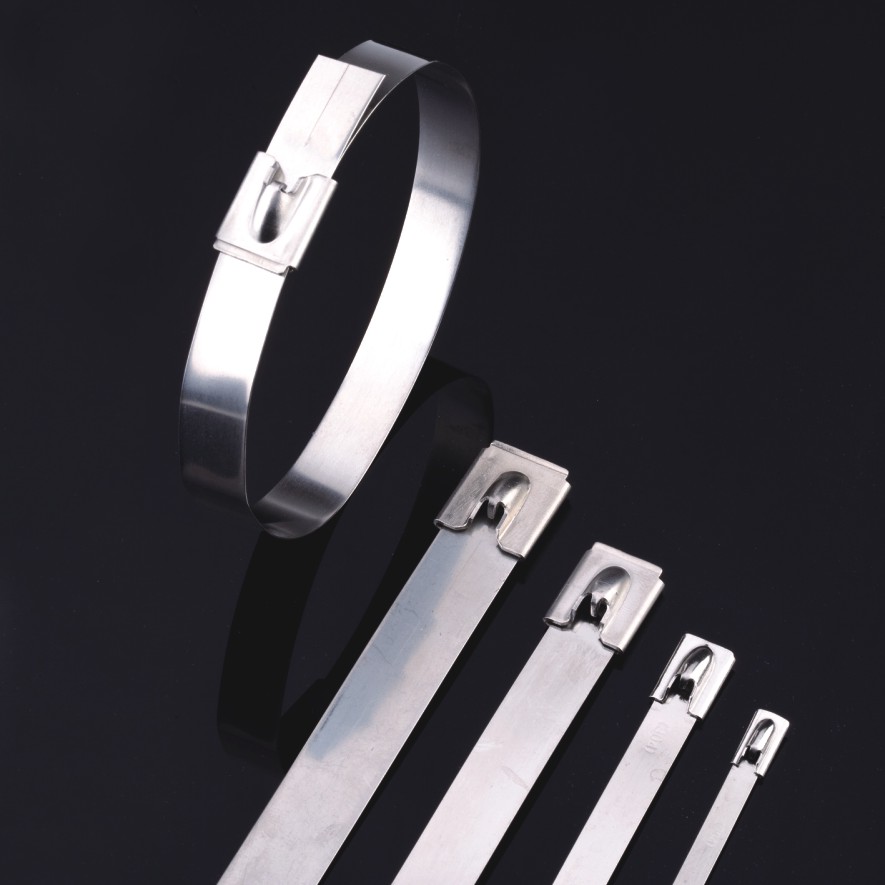 Ball-Lock Uncoated Stainless Steel Cable Ties Suppliers, CompanyZhejiang Fengfan Cable Fittings Co.,Ltd is China OEM/ODM ball-lock uncoated stainless steel cable ties suppliers and company, Professiona...View Product →
Check the tensile strength rating and the recommended bundle range. A too-small tie applies excessive stress to the system, while an oversized tie may be difficult to tension. For heavy bundles, choose a wider strap. For frequent removal and reinstallation, look for releasable designs. For general bundling duties in non-exposed areas, our self-locking nylon cable ties offer a reliable and affordable choice.
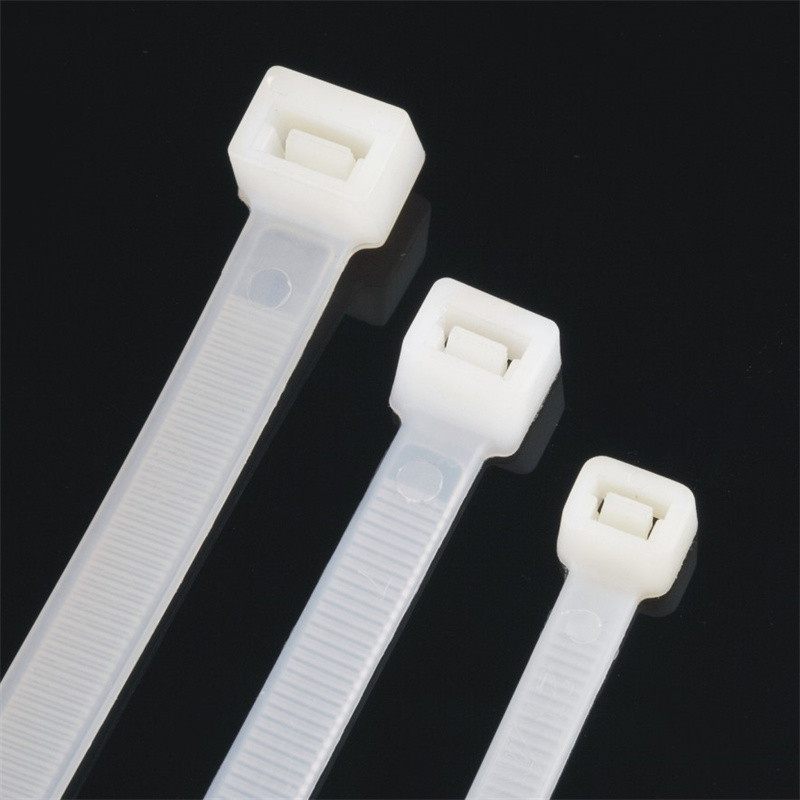 Nylon Cable Ties- Self-Lock Type Suppliers, Company - Zhejiang Fengfan Cable FitZhejiang Fengfan Cable Fittings Co.,Ltd is China OEM/ODM Nylon Cable Ties- Self-Lock Type suppliers and company, Professional wholesale N...View Product →
Do not rely only on the phrase “metal detectable”. Ask for a material declaration, the percentage of metal additive, food contact compliance if required, and the detection result on a standard metal detector. The supplier should also state whether the tie contains ferrous or non-ferrous components.
The bars below illustrate the relative detectability of standard nylon, metal detectable nylon, and stainless steel. The values are illustrative, not guaranteed test results.
Relative detectability, for explanation only.
Proper installation is as important as choosing the right product. Use a tool that maintains consistent tension. Over-tightening creates small cracks that can release fragments later. When you trim the tail, use a flush-cut tie cutter. A diagonal cutter leaves a sharp point that is a hazard in exposed areas. Discard any tie with a broken lock head or melted surface. Keep the working area clean and log each use if you are in a high-risk zone.
Usually no. The metal additive is small and is often non-ferrous, so the full tie may not be magnetic. Detection relies on conductivity and density, which is why metal detectors and X-ray systems are used.
The plastic base and metal additive must both comply with food-contact regulations. Check for FDA 21 CFR or EU 10/2011 certification. Not every detectable tie is suitable for direct food contact.
Only in zones where product is exposed to contamination. For cable trays above open product, yes. For general maintenance and behind panels, standard ties are usually acceptable.
Metal detectable zip ties are a pragmatic response to foreign-body contamination risks in food, beverage, and pharmaceutical environments. They are not solid metal ties, and they are not a substitute for stainless steel. They are a polymer with embedded metal particles, engineered to be seen by detection systems. When you choose, verify the material, the detection compatibility, the temperature range, and the compliance documentation. Test samples on your own line, and use a supplier who understands both cable ties and contamination control. With the right tie and the right process, you can keep a tiny piece of plastic from turning into a recall.
The single cable Cleats made of 316 stainless steel is used for cable management. It is corrosion-resistant, high-temperature resistant and meets international standards. It is suitable for various ha...
See Detail
Manufactured from high-grade 316 stainless steel, this cable management system is specifically designed for secure cable retention in power generation, petrochemical, marine, offshore platforms, and c...
See Detail
Brand Name: FengfanApproved Certificate: DNV & ABS.Product Description: Cable Fixing Band and ClipsThe Lower Cost Alternative to Cable Cleats Product Benefits- Low profile finish- 316 grade stain...
See DetailMobile: +86-136 7685 3958
Email: lihai.fan@zjffdl.com
Mobile: +86-188 57530390
Email: alan.huang@zjffdl.com
No. 1116 Yasha Ave, Cao’e Street, Shangyu District, Shaoxing City, Zhejiang, China, 312300


+86-0575-8215 2808
/8200 8688/8239 2526

+86-0575-8215 2066
Copyright ©Zhejiang Fengfan Cable Fittings Co.,Ltd.
