


 English
 中文简体
中文简体
+86-0575-8215 2808
/8200 8688/8239 2526
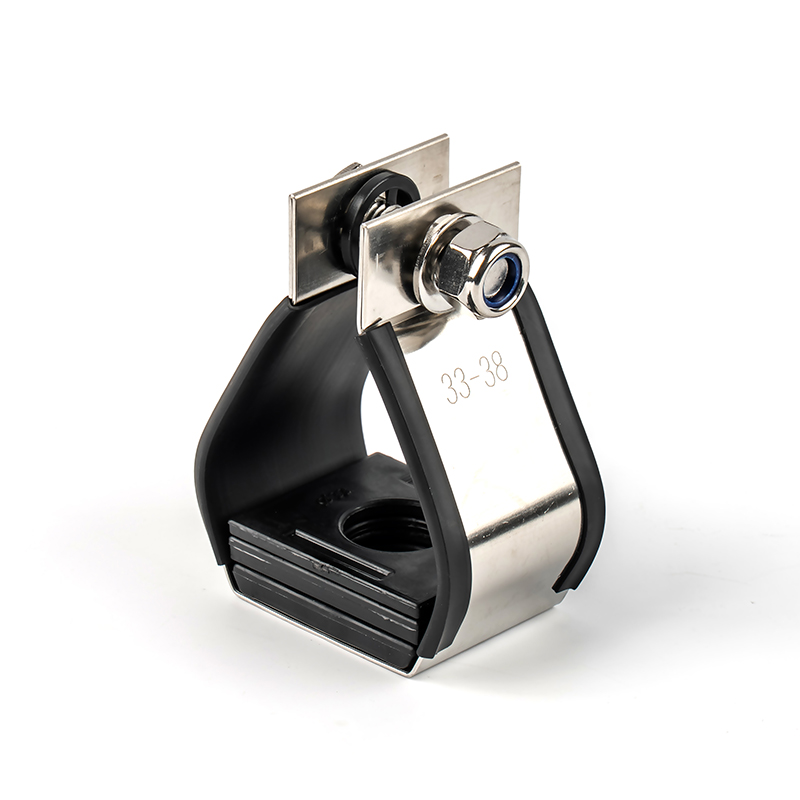
The single cable Cleats made of 316 stainless stee...
View more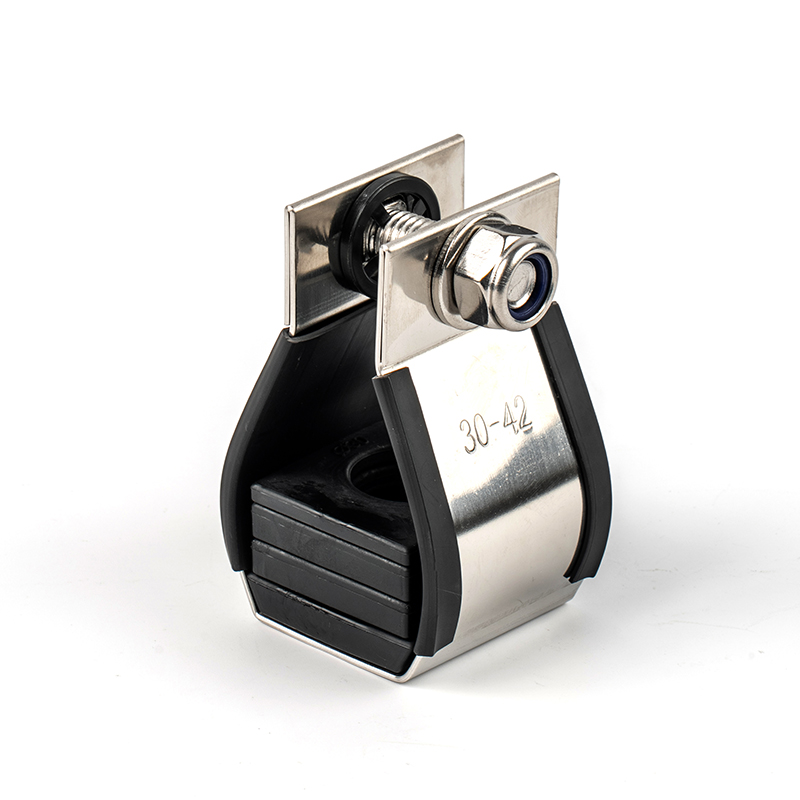
Manufactured from high-grade 316 stainless steel, ...
View more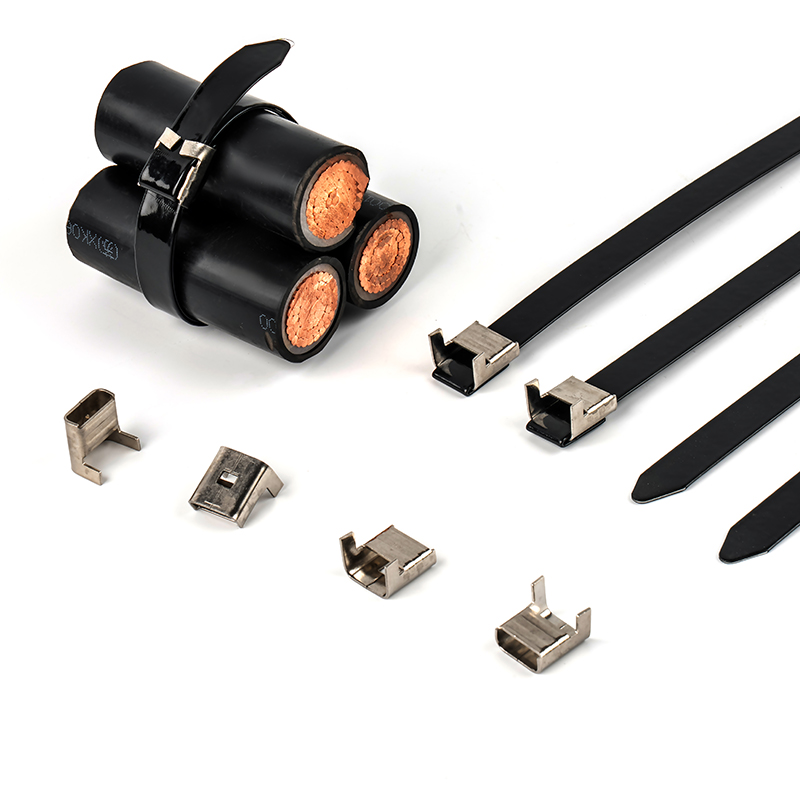
Brand Name: FengfanApproved Certificate: DNV &...
View moreContent
An operator can tighten a stainless steel tie with pliers and cut the tail with side cutters, but the result is not the same as a controlled tensioning and crimping sequence. The right stainless steel cable tie tool controls clamp load, flush cutting, and repeatability. Without it, even a high-grade 316 tie can fail because of over-tensioning, coating damage, or a sharp tail. This guide explains what these tools do, how to choose one, and how to use them without damaging the tie or the cable bundle.
A stainless steel cable tie tool is a manually operated device designed for tensioning, cutting, locking, or crimping stainless steel ties and strapping. It is not a general-purpose cutter. The tool matches the geometry of common tie heads such as ball-lock, F-type, ladder, or buckle-type systems.
The tool performs three main jobs:
Because stainless steel cable ties have high tensile strength and low elongation, the tool must avoid uneven tension and exposed sharp ends. A tool with a ratchet or lever mechanism lets you stop at the right load, while a dedicated crimping tool creates a repeatable lock. For larger band and buckle strapping, a separate strapping tool tensions the metal band before the buckle is closed.
The tool determines the three variables that decide how long a stainless steel tie will perform in service:
In an industrial setting, consistency matters more than raw force. If an operator uses a homemade or mismatched tool, every tie can have a different tension. That makes inspection difficult and increases the risk of field failure. A properly selected and maintained tool gives the installation team a repeatable process, not just a tight strap.
Before buying a tool, define the tie family, band width, coating, installation access, and volume. The best tool is the one that fits the specific locking mechanism and works well in the actual environment.
Ball-lock and F-type ties need a crimping action. The tool must fold and compress the locking tab over the strap tail. A stainless steel cable ties crimping tool does this in one motion. Ladder-type ties, by comparison, use a tensioner that grips the strap and cuts the tail after the head locks. Buckle-style strapping requires a strapping tool for the band and buckle system.
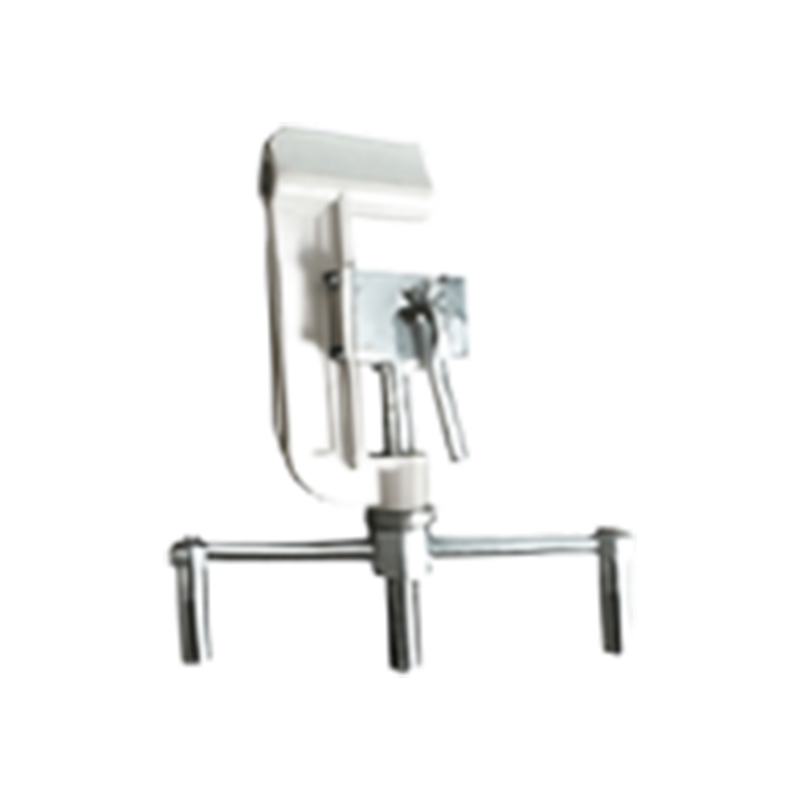 DQH Stainless Steel Cable Ties Crimping Tool Suppliers, Company - Zhejiang FengfZhejiang Fengfan Cable Fittings Co.,Ltd is China OEM/ODM DQH Stainless Steel Cable Ties Crimping Tool suppliers and company, Professional...View Product →
Stainless steel ties are available in several widths, from small micro ties up to 15.9 mm band. A tool designed for a 15.9 mm band may not grip a micro tie cleanly, while a narrow tool can crush the edge of a wide band. For coated ties, choose a tool with smooth contact surfaces or low friction settings. Chipped polyester, PVC, or PPA coating reduces corrosion protection and can create a galvanic cell in wet locations. A stainless steel cable ties strapping tool is useful when the job involves both tensioning and clean cutoff of coated band.
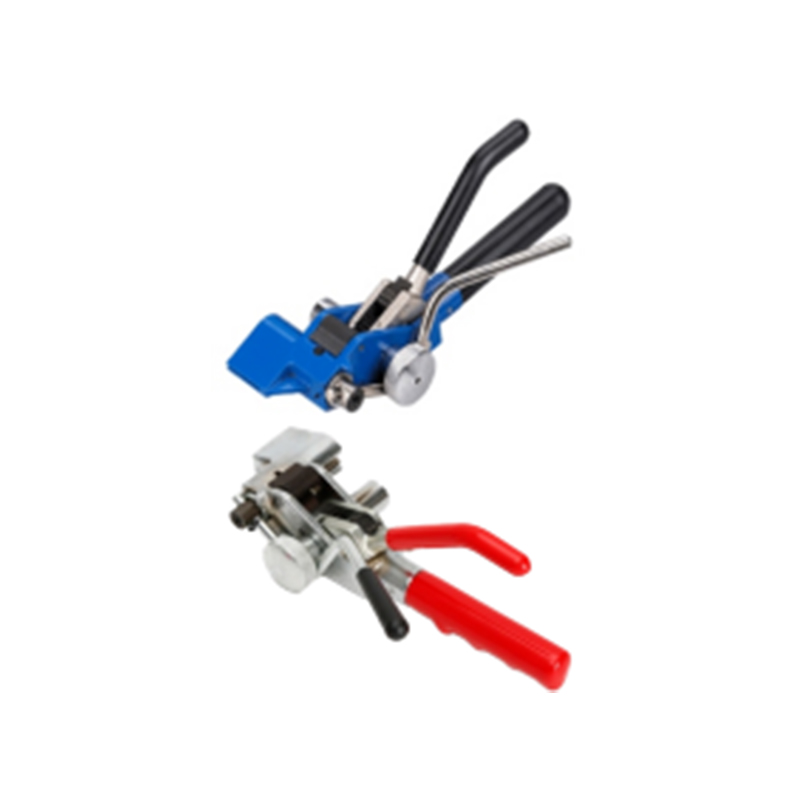 LQA Stainless Steel Cable Ties Strapping Tool Suppliers, Company - Zhejiang FengZhejiang Fengfan Cable Fittings Co.,Ltd is China OEM/ODM LQA Stainless Steel Cable Ties Strapping Tool suppliers and company, Professiona...View Product →
Ties installed overhead, inside cable trays, or in confined areas require a tool that can be operated without bending the wrist. For repeated work above shoulder height, a 3-way handle cable tie tensioner keeps the operator's hand in a neutral position and helps control tension in tight spaces. On a shipyard or offshore project, tools also need to be easy to rinse after use.
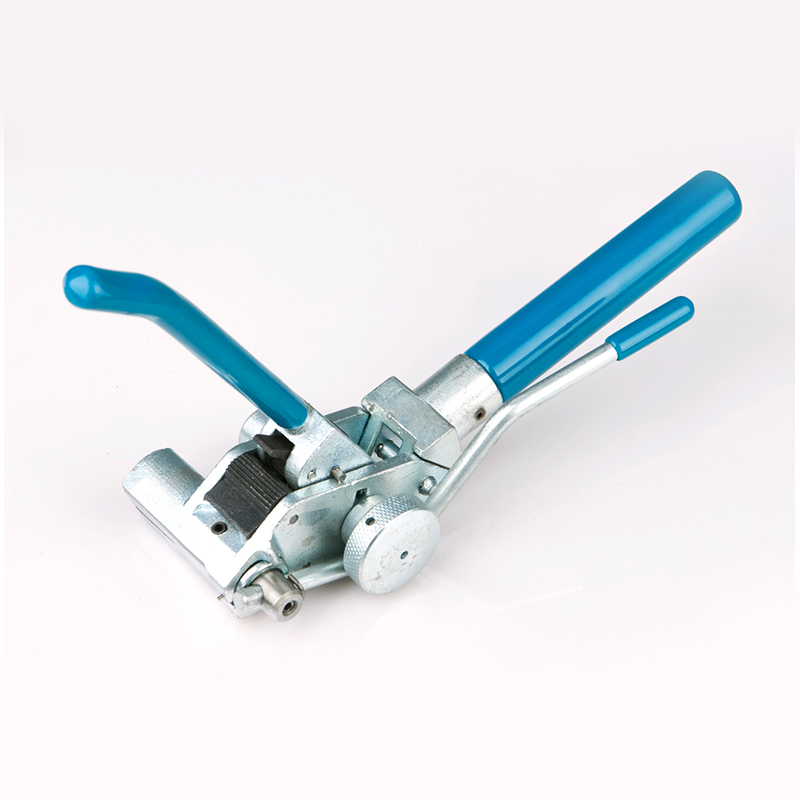 LQD-S 3-way Handle Cable Tie Tensioner Suppliers, Company - Zhejiang Fengfan CabZhejiang Fengfan Cable Fittings Co.,Ltd is China OEM/ODM LQD-S 3-way Handle Cable Tie Tensioner suppliers and company, Professional whole...View Product →
| Tool Type | Typical Tie Types | Main Task | Best For |
|---|---|---|---|
| Crimping tool | Ball-lock, F-type | Crimp locking tab and cut tail | Exact locking action |
| Manual tensioner | Ladder, ball-lock, band | Tension and cut | Balanced bundles |
| Strapping tool | Band and buckle | Tension band and lock buckle | Large diameters and heavy loads |
| Automatic gun | Ladder and ball-lock | Tension, cut, and lock in one action | Repeated installation |
Illustrative priority based on field experience, not a product specification.
Correct use starts with the right tool for the tie style and width. Then follow a consistent sequence:
Wear cut-resistant gloves and eye protection when working with stainless ties. The cut ends are sharp, and stored tension can cause a strap to spring. If you are bundling cables for a long service life, follow the same method outlined in our guide on how to properly secure cables and wires because the sequence of support, spacing, and tie orientation affects the final reliability.
| Mistake | Result | Prevention |
|---|---|---|
| Over-tensioning | Strap cracks at the head or bundle deforms | Use a tensioning tool with a stop or raise tension gradually |
| Using a plier to lock ball-lock ties | Incomplete lock and sharp tail | Use a crimping tool sized for the tie head |
| Damaging the coating | Corrosion and reduced chemical resistance | Match jaw surfaces to the coating and avoid twisting |
| Mismatching band width | Tool slips or strap bends | Check width before each batch |
| Rough cut | Sharp edge exposes workers and cables | Use a cutter or tool that trims flush |
These mistakes are easy to prevent once the team knows the tool capabilities. A small investment in the correct tool reduces rework and protects the cable bundle.
You can apply force, but pliers do not control tension or cut flush. They also crush coated ties and leave sharp tails. A dedicated stainless steel cable tie tool is safer and more consistent.
A tensioning tool pulls the strap tight. A crimping tool closes the locking mechanism. Some tools perform both tasks, but not every tie head allows a combined action.
Yes. Coated ties should be installed with tools that have smooth contact surfaces or controlled pressure. A tool that bites through the coating can cause corrosion or reduce chemical resistance.
Keep pivots clean and lightly lubricated, especially after marine use. Inspect jaw wear regularly. Worn jaws can slip and damage the tie or produce an inconsistent tension.
The single cable Cleats made of 316 stainless steel is used for cable management. It is corrosion-resistant, high-temperature resistant and meets international standards. It is suitable for various ha...
See Detail
Manufactured from high-grade 316 stainless steel, this cable management system is specifically designed for secure cable retention in power generation, petrochemical, marine, offshore platforms, and c...
See Detail
Brand Name: FengfanApproved Certificate: DNV & ABS.Product Description: Cable Fixing Band and ClipsThe Lower Cost Alternative to Cable Cleats Product Benefits- Low profile finish- 316 grade stain...
See DetailMobile: +86-136 7685 3958
Email: lihai.fan@zjffdl.com
Mobile: +86-188 57530390
Email: alan.huang@zjffdl.com
No. 1116 Yasha Ave, Cao’e Street, Shangyu District, Shaoxing City, Zhejiang, China, 312300


+86-0575-8215 2808
/8200 8688/8239 2526

+86-0575-8215 2066
Copyright ©Zhejiang Fengfan Cable Fittings Co.,Ltd.
