


 English
 中文简体
中文简体
+86-0575-8215 2808
/8200 8688/8239 2526
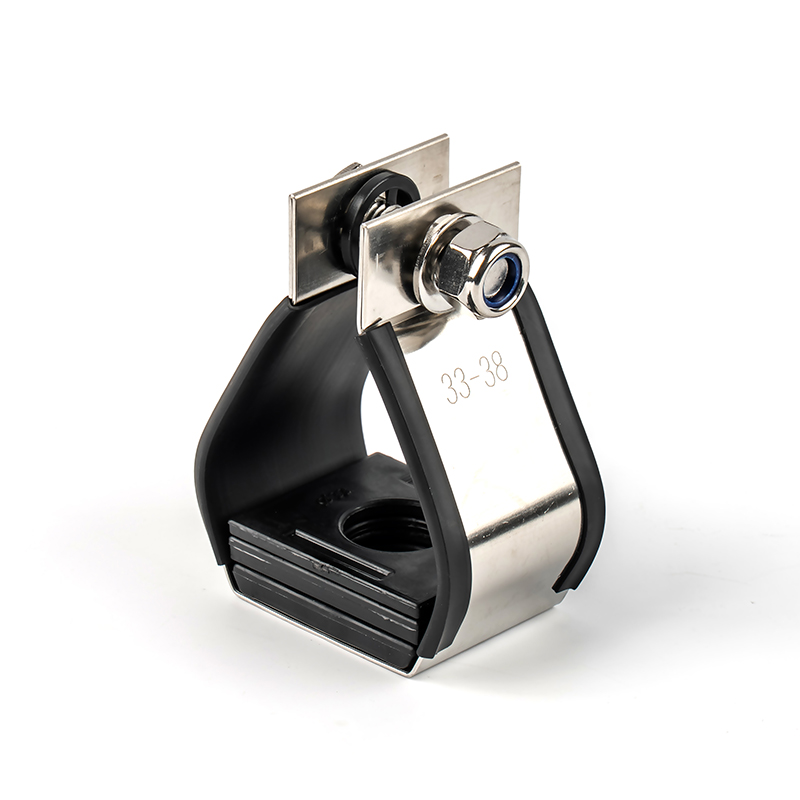
The single cable Cleats made of 316 stainless stee...
View more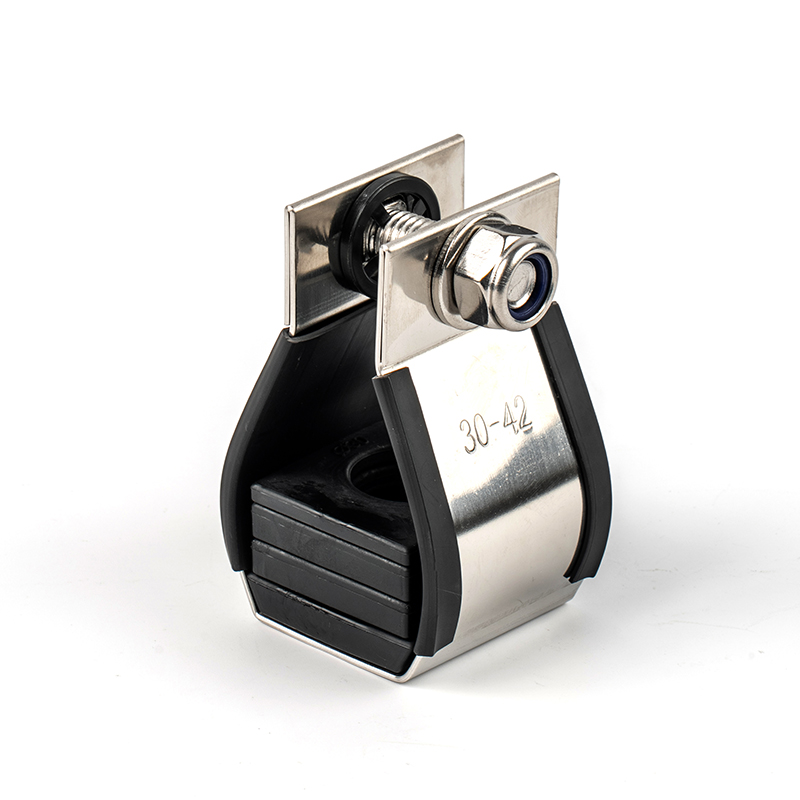
Manufactured from high-grade 316 stainless steel, ...
View more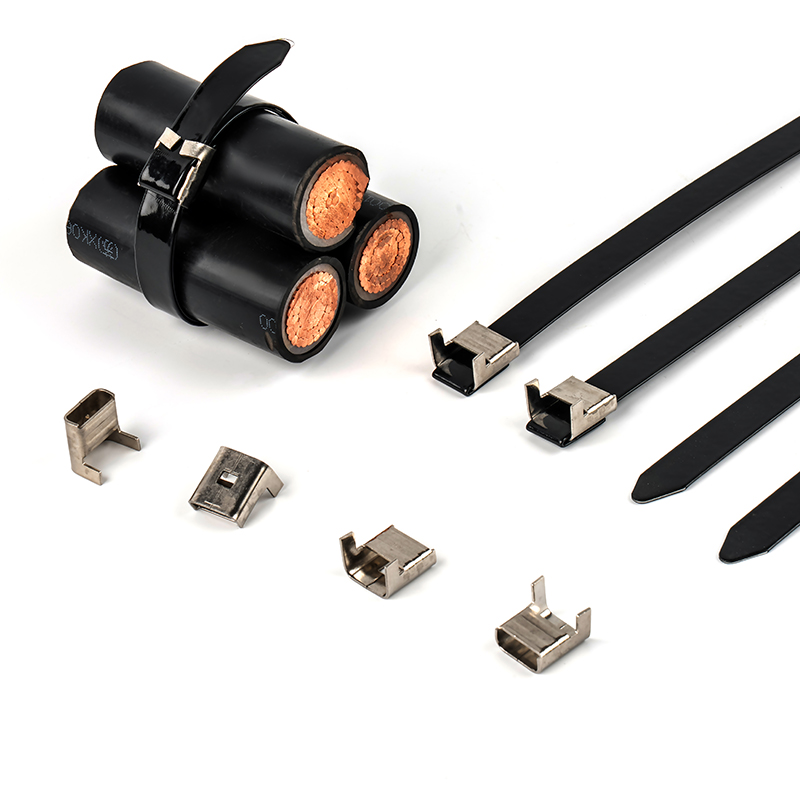
Brand Name: FengfanApproved Certificate: DNV &...
View moreContent
When it comes to heavy-duty fastening solutions, the industry has long relied on the sheer strength of metal. However, as infrastructure projects become more complex and environmental conditions more volatile, a simple metal strap isn’t always enough. Recently, a specific innovation has been dominating the conversation among engineers, electricians, and site managers: Ball-Lock Fully Polyester Coated Ties.
While standard stainless steel ties are famous for their tensile strength, the "Fully Coated" variety is solving problems that many didn't even realize they had—ranging from electrochemical corrosion to safety hazards during installation. In this deep dive, we explore why the industry is pivoting toward these black, high-performance fasteners and answering the most pressing questions professionals have about their application.
For decades, the choice was simple: use plastic ties for light work and stainless steel for the heavy stuff. But there was a "middle ground" of problems. Bare stainless steel can be sharp, it can react with other metals, and in high-vibration environments, it can actually cut through the very cables it is meant to protect.
The introduction of Ball-Lock Fully Polyester Coated Ties changed the landscape. By taking a high-grade stainless steel core (either Grade 304 or 316) and encasing it entirely in a robust Polyester or Epoxy coating, manufacturers have created a hybrid tool. It possesses the "unbreakable" nature of steel with the protective, "soft-touch" qualities of high-end polymers.
One of the most frequent questions asked by maritime and solar energy engineers is:"Will these ties rust if they touch my aluminum racking?"
The answer lies in a phenomenon called Galvanic Corrosion. When two different types of metal (like stainless steel and aluminum) come into contact in the presence of moisture, a small electrical current flows between them. This causes one of the metals to corrode at an accelerated rate.
Because these ties are fully coated, the polyester acts as a total dielectric barrier. There is no metal-on-metal contact. This makes them the gold standard for:
Solar Panel Installations: Where steel ties meet aluminum frames.
Marine Engineering: Where salt spray acts as a catalyst for rust.
Oil and Gas Rigs: Where harsh chemicals are constantly present.
In hazardous environments like chemical plants or underground mining, a tiny spark can lead to a catastrophe. This brings us to another common inquiry:"Can cable ties contribute to static discharge?"
Standard metal ties are conductive. However, the specialized coating on these ties is designed to prevent static electricity build-up. Furthermore, the "Fully Coated" aspect means the edges of the steel are rounded off by the polyester layer.
For the person installing the ties, this is a game-changer. Anyone who has worked with bare steel ties knows the risk of "fish-hook" cuts to the hands. The polyester coating provides edge protection, ensuring that even under high tension, the tie won't slice into the cable jacket or the installer's gloves.
A major concern for industrial users is the "brittleness" of fasteners. If a tie is exposed to the scorching sun of a desert or the freezing temperatures of an arctic wind, will it snap?
The technical specifications of these ties are impressive:
Working Temperature: They remain stable from -40°C to 150°C.
UV Resistance: Unlike standard plastic ties that turn yellow and crack under sunlight, the polyester coating is UV-stabilized.
Fireproof Nature: Being made of a steel core, they are inherently fireproof. Even if the coating were affected by extreme flame, the ball-lock mechanism and the steel band would maintain the structural integrity of the bundle.
To truly appreciate why these fasteners are becoming the industry standard, we have to look at the "ingredients" that make them up.
| Feature | Specification / Benefit |
| Base Material | Stainless Steel Grade 304 (Standard) or 316 (Marine Grade) |
| The Coating | Polyester/Epoxy or Nylon 11 for maximum adhesion |
| The Locking Mechanism | Precision Ball-Lock for "easy-in, never-out" security |
| Environmental Safety | Halogen-free and Nontoxic—essential for indoor/enclosed spaces |
| Aesthetics | Entirely Black for a professional, low-profile look |
In the modern regulatory environment, "Halogen-free" is no longer just a buzzword; it’s a requirement for many public works projects, especially in tunnels, subways, and skyscrapers.
If a fire breaks out, materials containing halogens (like PVC) release toxic, acrid smoke that can be more dangerous than the fire itself. Because these Ball-Lock Fully Polyester Coated Ties are halogen-free and nontoxic, they are cleared for use in high-density areas where smoke emission standards are strictly enforced.
To get the most out of these ties, experts recommend using a dedicated Stainless Steel Cable Tie Tool. While they can be pulled by hand, a tensioning tool ensures that the ball-lock mechanism is seated perfectly and that the "tail" of the tie is cut flush. This leaves a smooth, professional finish that eliminates any snagging hazards.
Because the coating adds a slight thickness to the band, these ties also offer superior "grip." They are less likely to slide along a smooth pipe or conduit compared to a bare metal tie, which can sometimes act like a skate on a frozen pond.
While a fully coated tie may have a higher upfront cost than a basic nylon zip tie or a bare steel strap, the Total Cost of Ownership (TCO) is significantly lower. When you factor in the lack of maintenance, the prevention of cable damage, and the extended lifespan in outdoor environments, the choice becomes clear.
In industries where "failure is not an option"—such as aerospace, offshore energy, and heavy manufacturing—the move toward Ball-Lock Fully Polyester Coated Ties represents a commitment to safety and longevity.
Whether you are trying to prevent corrosion between dissimilar materials, protect your crew from sharp edges, or ensure your wiring survives a decade of UV exposure, these ties provide the ultimate "install and forget" solution.
No Corrosion: Total insulation prevents galvanic reactions.
Enhanced Safety: Smooth edges and anti-static properties.
Extreme Durability: Operates perfectly in a 190-degree temperature swing.
Eco-Friendly: Nontoxic and halogen-free for green building standards.
The single cable Cleats made of 316 stainless steel is used for cable management. It is corrosion-resistant, high-temperature resistant and meets international standards. It is suitable for various ha...
See Detail
Manufactured from high-grade 316 stainless steel, this cable management system is specifically designed for secure cable retention in power generation, petrochemical, marine, offshore platforms, and c...
See Detail
Brand Name: FengfanApproved Certificate: DNV & ABS.Product Description: Cable Fixing Band and ClipsThe Lower Cost Alternative to Cable Cleats Product Benefits- Low profile finish- 316 grade stain...
See DetailMobile: +86-136 7685 3958
Email: lihai.fan@zjffdl.com
Mobile: +86-188 57530390
Email: alan.huang@zjffdl.com
No. 1116 Yasha Ave, Cao’e Street, Shangyu District, Shaoxing City, Zhejiang, China, 312300


+86-0575-8215 2808
/8200 8688/8239 2526

+86-0575-8215 2066
Copyright ©Zhejiang Fengfan Cable Fittings Co.,Ltd.
