


 English
 中文简体
中文简体
+86-0575-8215 2808
/8200 8688/8239 2526
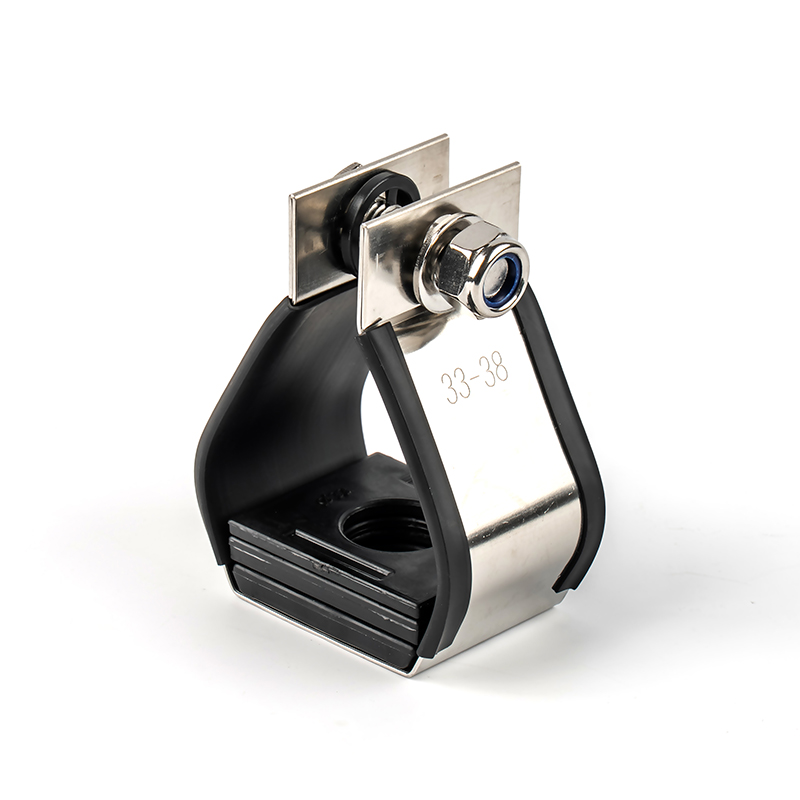
The single cable Cleats made of 316 stainless stee...
View more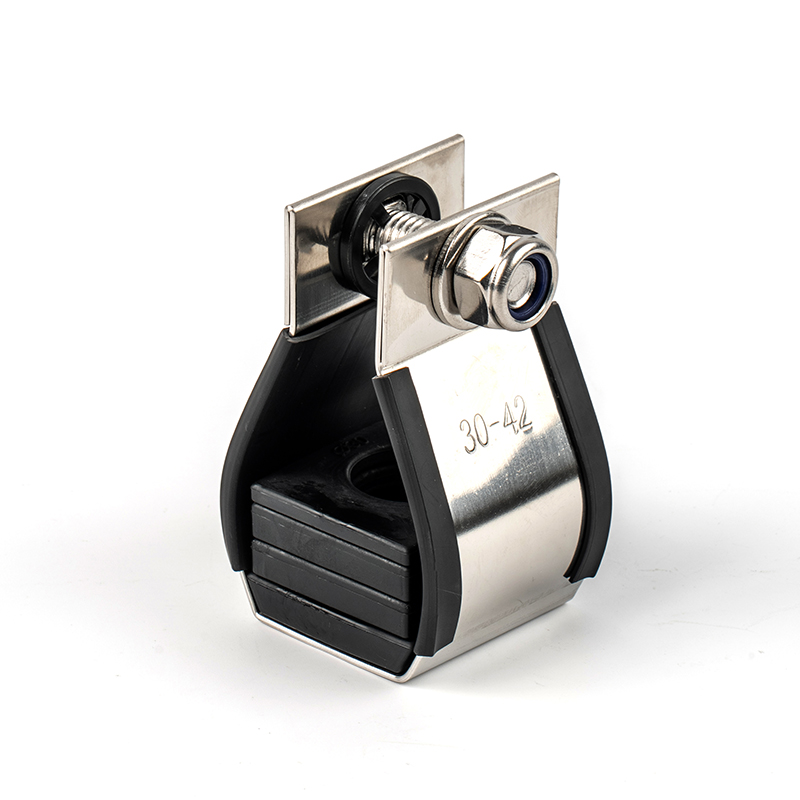
Manufactured from high-grade 316 stainless steel, ...
View more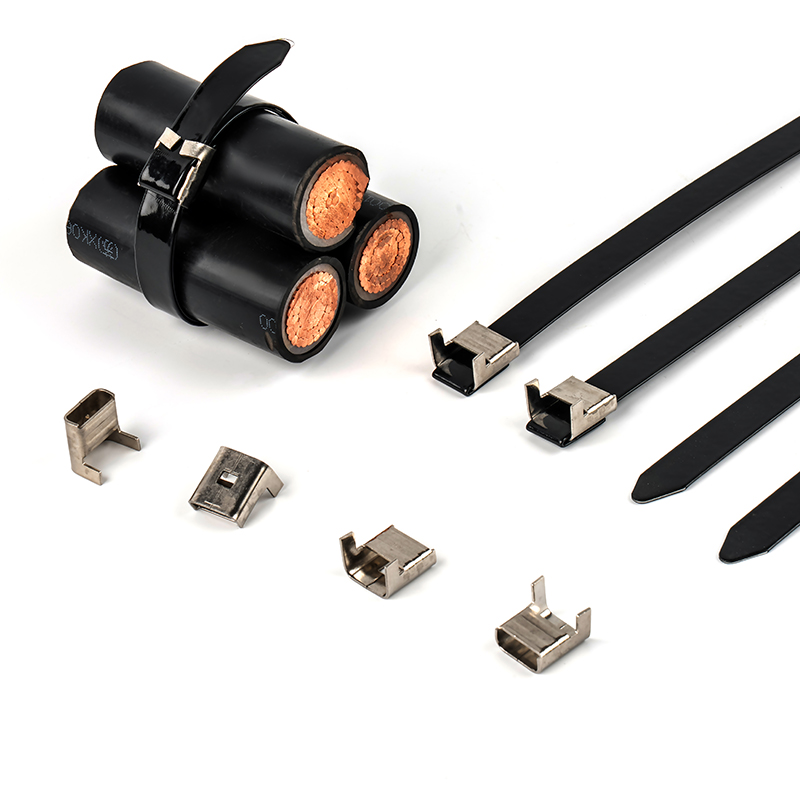
Brand Name: FengfanApproved Certificate: DNV &...
View moreContent
In the world of industrial fastening, there has long been a tug-of-war between two specific needs: the need for extreme mechanical strength and the need for delicate material protection. For years, engineers had to choose between bare stainless steel ties—which are incredibly strong but can be sharp and corrosive—and fully coated ties—which are gentle but slightly less rigid in their grip.
Today, a "best of both worlds" solution is trending across the global supply chain, sparking a surge of interest and questions from project managers. The product at the center of this conversation is the Ball-Lock Semi-Coated Ties.
This innovative fastener is redefining how we think about infrastructure durability. By combining the raw power of exposed steel with the protective benefits of modern polymers, these ties are answering the industry's most frequent question: "How can I maximize my loop strength while still preventing corrosion and cable damage?"
To understand the buzz, we first have to look at the design. Unlike a standard tie, the semi-coated version features a distinct aesthetic: a sleek black band accented by a metallic line. This isn't just for looks. The coating is applied strategically to provide the benefits of insulation and edge protection while allowing the internal mechanics of the tie to operate with the high-friction "bite" of bare metal.
According to the Technical Information provided by manufacturers, these ties are crafted from high-grade Stainless Steel (Grade 304 for general use or Grade 316 for marine environments) and treated with a specialized Polyester, Epoxy, or Nylon 11 coating.
One of the most common questions from heavy-industry buyers is:"Why would I choose a semi-coated tie over a fully coated one?"
The answer comes down to Loop Strength. In a fully coated tie, the layer of polyester covers the entire surface, including the area where the locking ball grips the strap. While effective, the coating can act as a slight lubricant.
In Ball-Lock Semi-Coated Ties, the design allows for a more direct metal-to-metal or metal-to-ball contact in the locking chamber. This results in a significantly higher loop tensile strength. When you are securing heavy bundles of high-voltage cables on a vibrating oil rig or a wind turbine, that extra margin of strength is the difference between a secure installation and a costly failure.
A major grievance with traditional, uncoated stainless steel ties is their tendency to act like a "cheese slicer" under tension. If a bare metal tie is tightened too hard against a soft cable jacket, it can cut through the insulation, leading to short circuits or even fires.
The semi-coated design solves this by ensuring that the edges of the band—the parts most likely to cause damage—are encased in polyester or epoxy. This additional edge protection acts as a cushion. It allows the tie to be pulled to extreme tension without the risk of slicing into the cables or, just as importantly, slicing the hands of the technician installing them.
In the construction and solar sectors, a frequent technical query is:"Can I use steel ties on aluminum or galvanized frames?"
Normally, putting stainless steel in direct contact with a different metal like aluminum causes Galvanic Corrosion. Over time, the chemical reaction eats away at the structure, leading to rust and mechanical failure.
Even though these ties are only "semi-coated," the coating is placed exactly where the tie makes contact with the mounting surface. This creates a barrier that prevents the flow of electrons between the two different metals. By preventing the corrosion between dissimilar materials, these ties extend the life of the entire project by decades.
For those who need to see the data before they trust a product, the Technical Information for these ties paints a picture of extreme resilience:
Thermal Range: These ties are rated for a working temperature of -40°C to 150°C. Whether they are installed in a sub-zero Arctic mining facility or a high-heat engine room, the coating will not crack, peel, or melt.
Safety Rating: They are classified as Fireproof. In the event of a fire, the stainless steel core ensures the cables remain bundled, preventing them from falling and blocking emergency exits.
Chemical Integrity: The materials used are Halogen-free and nontoxic. This is a critical requirement for modern "Green" buildings and enclosed spaces like subways and tunnels, where toxic smoke is a primary safety concern.
Environmental Resistance: Being UV-resistant, the black polyester coating will not degrade under the harsh glare of the sun, making them perfect for outdoor solar farms and telecommunications towers.
Because of their unique balance of strength and protection, these ties are becoming the go-to choice for several specific industries:
Solar panels are often mounted on aluminum rails. Using standard steel ties would lead to corrosion, but plastic ties degrade in the sun. Semi-coated ties provide the UV resistance and the galvanic protection needed to last the 25-year lifespan of a solar farm.
Saltwater is incredibly aggressive. The Grade 316 stainless steel option, combined with the polyester coating, provides a double layer of defense against the corrosive sea air, while the high loop strength keeps heavy cables secure during ocean storms.
Safety regulations in public transport are stricter than ever. The halogen-free and fireproof nature of these ties ensures compliance with international safety standards, while the "metallic line" aesthetic allows inspectors to easily identify the high-quality steel core during maintenance checks.
The single cable Cleats made of 316 stainless steel is used for cable management. It is corrosion-resistant, high-temperature resistant and meets international standards. It is suitable for various ha...
See Detail
Manufactured from high-grade 316 stainless steel, this cable management system is specifically designed for secure cable retention in power generation, petrochemical, marine, offshore platforms, and c...
See Detail
Brand Name: FengfanApproved Certificate: DNV & ABS.Product Description: Cable Fixing Band and ClipsThe Lower Cost Alternative to Cable Cleats Product Benefits- Low profile finish- 316 grade stain...
See DetailMobile: +86-136 7685 3958
Email: lihai.fan@zjffdl.com
Mobile: +86-188 57530390
Email: alan.huang@zjffdl.com
No. 1116 Yasha Ave, Cao’e Street, Shangyu District, Shaoxing City, Zhejiang, China, 312300


+86-0575-8215 2808
/8200 8688/8239 2526

+86-0575-8215 2066
Copyright ©Zhejiang Fengfan Cable Fittings Co.,Ltd.
