


 English
 中文简体
中文简体
+86-0575-8215 2808
/8200 8688/8239 2526
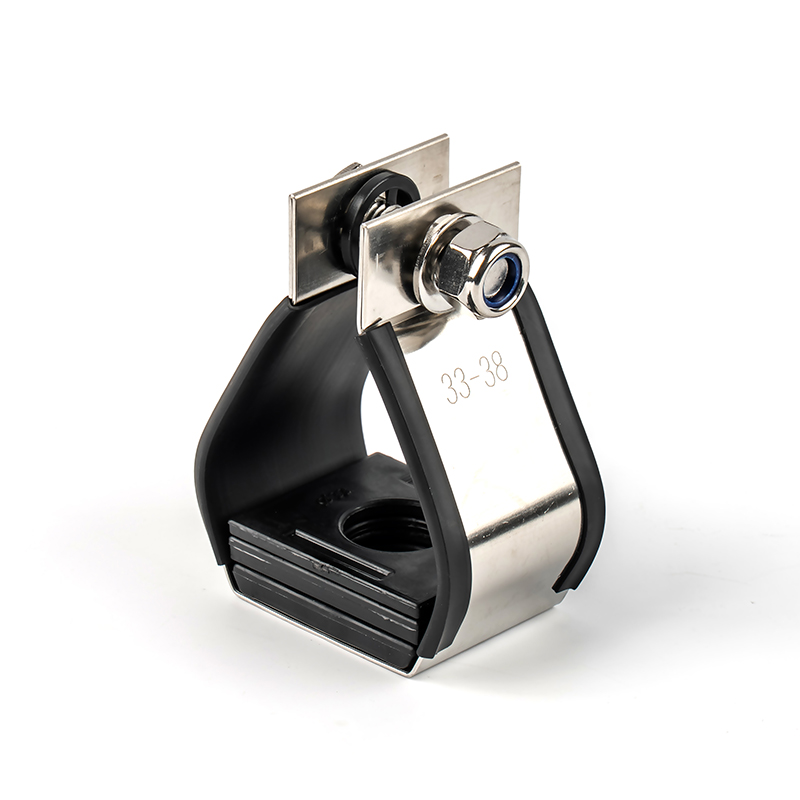
The single cable Cleats made of 316 stainless stee...
View more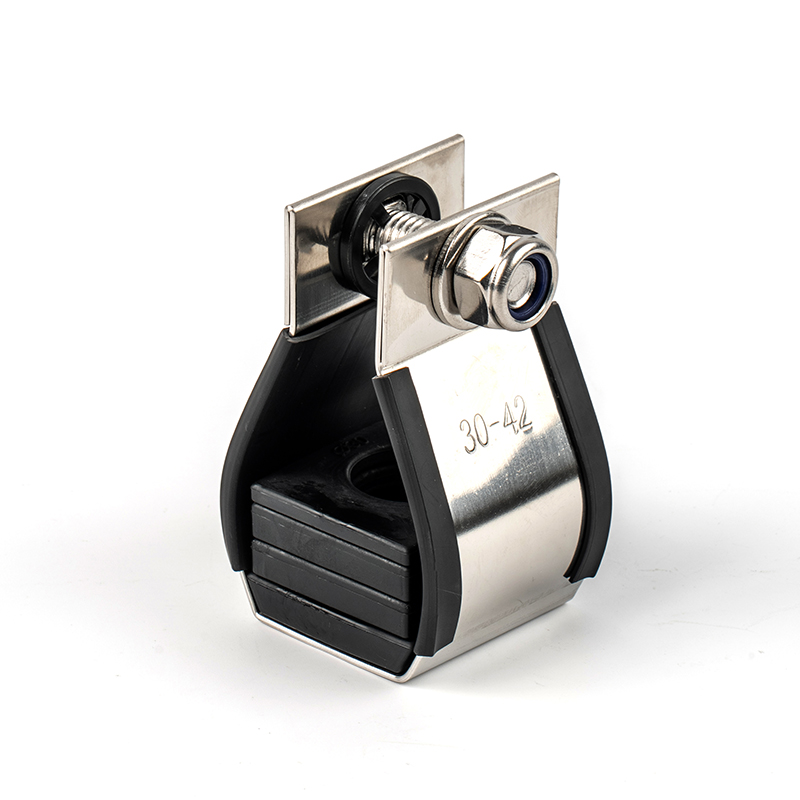
Manufactured from high-grade 316 stainless steel, ...
View more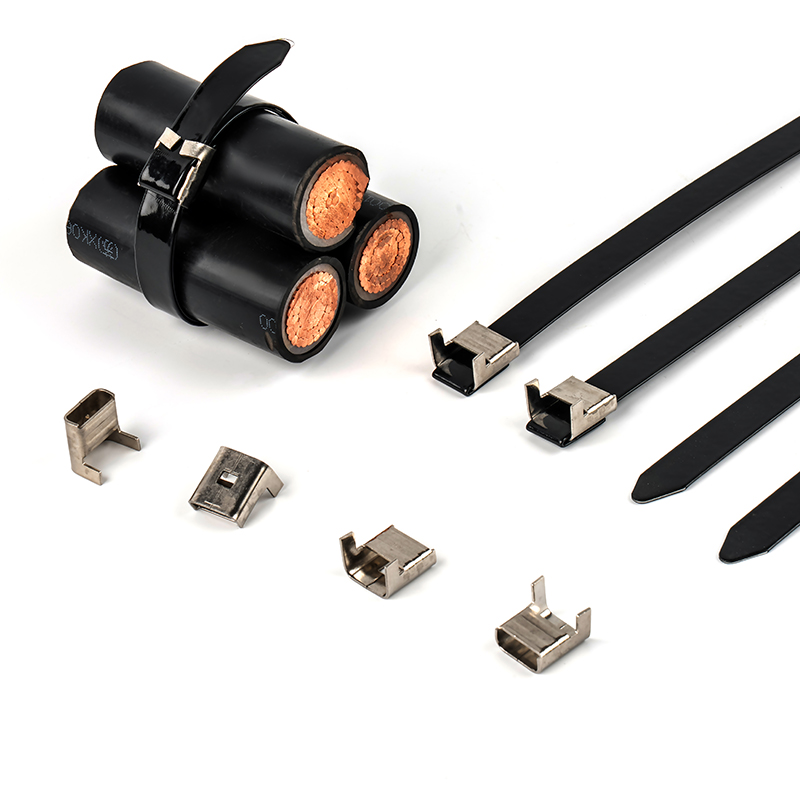
Brand Name: FengfanApproved Certificate: DNV &...
View moreContent
In the world of construction, marine engineering, and industrial maintenance, there is a quiet revolution happening. For decades, the standard plastic zip tie was the go-to solution for bundling cables and securing equipment. They were cheap, easy to find, and simple to use. However, as projects move into more extreme environments—from the scorching heat of desert solar farms to the freezing depths of offshore oil rigs—the limitations of plastic have become painfully clear.
The question currently dominating industry forums and hardware discussions isn't just "which tie is cheapest?" but rather, "How do I ensure my installations survive a lifetime of extreme conditions?"
The answer for many has arrived in the form of Stainless Steel Cable Ties- Ball-Lock Uncoated Ties. This specific class of fastener is changing the way we think about long-term reliability.
To understand why these ties are becoming the industry standard, we first have to look at the "failure points" of traditional materials. Plastic ties, usually made of nylon, are susceptible to a process called "brittleness." Over time, exposure to the sun’s UV rays or fluctuating temperatures causes the material to lose its flexibility. Eventually, they snap under the slightest pressure.
Stainless steel, specifically Grade 304 and Grade 316, removes these vulnerabilities entirely.
One of the most frequent questions from buyers is which grade of steel they should choose.
Grade 304: This is the "all-rounder." It offers excellent durability and corrosion resistance for most indoor and outdoor applications. If you are bundling cables in a warehouse or securing signage in a city, 304 is your best friend.
Grade 316: Known as "Marine Grade," this version contains molybdenum, which provides a massive boost in resistance to chlorides (like sea salt) and industrial chemicals. For anyone working on a boat, a coastal pier, or a chemical processing plant, Grade 316 is the only logical choice.
The term Ball-Lock Uncoated Ties might sound technical, but the mechanism is elegantly simple. In a traditional plastic tie, you rely on a plastic "tooth" gripping a rack. In a ball-lock stainless steel tie, there is a small, high-precision ball bearing housed inside the head of the tie.
When you slide the tail of the tie through the head, the ball moves freely, allowing the metal strap to glide through. However, the moment you try to pull the strap back out, the ball wedges itself against the strap and the housing, creating a "dead-lock."
This self-locking system is a game-changer for two reasons:
Speed of Installation: There is no need for complex manual clicking or locking. You simply insert and pull. In large-scale projects where workers have to install thousands of ties a day, this saves hundreds of man-hours.
Permanent Security: Unlike plastic ratchets that can wear down, the metal ball-lock mechanism does not fatigue. Once it’s locked, it stays locked until you manually cut it with specialized tools.
When we look at the technical specifications of these ties, the numbers are frankly staggering compared to synthetic alternatives.
Standard fasteners often fail when temperatures drop below freezing (becoming brittle) or rise above 100°C (melting or stretching). Stainless Steel Cable Ties- Ball-Lock Uncoated Ties operate in a range that seems almost impossible: -80°C to 538°C.
Imagine a facility that experiences the deep freeze of a liquid nitrogen cooling system or the intense radiant heat of an industrial kiln. These ties remain structurally sound in both scenarios. They don't expand, contract, or lose their tensile strength.
In many modern building codes, "low smoke, zero halogen" is a requirement. Because these ties are entirely metallic, they are naturally fireproof. They won't contribute to the spread of a fire, nor will they release toxic fumes if exposed to flame.
Furthermore, they are UV-resistant by nature. While sunlight destroys plastic over a few years, it has zero effect on stainless steel. This makes them the primary choice for solar panel installations, where equipment is expected to sit in direct, punishing sunlight for 25 years or more.
As these ties become more popular, several common questions arise from DIYers and professional engineers alike.
While youcanpull these ties tight by hand or with standard pliers, it is highly recommended to use a Stainless Steel Cable Tie Tensioning Tool. This tool allows you to pull the tie to a specific tension and then "flush-cut" the tail. This ensures there are no sharp metal edges left behind, which is vital for safety in high-traffic areas.
You might see "coated" versions on the market (usually with epoxy or polyester). However, Uncoated Ties are preferred when:
Maximum Temperature is Required: Coatings can melt at high temperatures, whereas the raw steel can handle up to 538°C.
Space is Tight: Uncoated ties are thinner and lower profile.
Cost-Effectiveness: They provide the full strength of steel at a lower price point than coated versions.
The versatility of these fasteners means they are popping up in industries you might not expect:
Automotive: Securing heat shields or exhaust wraps where temperatures would melt any other fastener.
Renewable Energy: Fastening cables on wind turbines and solar arrays that face constant vibration and UV exposure.
Mining: Used deep underground where moisture and corrosive minerals would eat through standard steel or rot plastic.
Home Improvement: Savvy homeowners are using them for outdoor fencing, garden trellises, and even securing Christmas lights in harsh winter climates because they know they won't have to replace them next year.
While the initial cost of a stainless steel tie is higher than a bag of plastic ones, the "cost per year" is significantly lower. When you factor in the labor costs of replacing snapped plastic ties every two years—not to mention the potential damage to equipment if a bundle falls—the switch to metal is a financial "no-brainer."
The Stainless Steel Cable Ties- Ball-Lock Uncoated Ties represent the peak of fastening technology. They are fireproof, weather-hardened, and designed to outlast the very structures they are holding together.
In an era where we are looking for more sustainable, long-lasting solutions to build our world, moving away from "disposable" plastic and toward permanent, recyclable metal is a step in the right direction. Whether you are an engineer designing a skyscraper or a hobbyist working in your garage, these ties offer the peace of mind that once the job is done, it stays done.
The single cable Cleats made of 316 stainless steel is used for cable management. It is corrosion-resistant, high-temperature resistant and meets international standards. It is suitable for various ha...
See Detail
Manufactured from high-grade 316 stainless steel, this cable management system is specifically designed for secure cable retention in power generation, petrochemical, marine, offshore platforms, and c...
See Detail
Brand Name: FengfanApproved Certificate: DNV & ABS.Product Description: Cable Fixing Band and ClipsThe Lower Cost Alternative to Cable Cleats Product Benefits- Low profile finish- 316 grade stain...
See DetailMobile: +86-136 7685 3958
Email: lihai.fan@zjffdl.com
Mobile: +86-188 57530390
Email: alan.huang@zjffdl.com
No. 1116 Yasha Ave, Cao’e Street, Shangyu District, Shaoxing City, Zhejiang, China, 312300


+86-0575-8215 2808
/8200 8688/8239 2526

+86-0575-8215 2066
Copyright ©Zhejiang Fengfan Cable Fittings Co.,Ltd.
