


 English
 中文简体
中文简体
+86-0575-8215 2808
/8200 8688/8239 2526
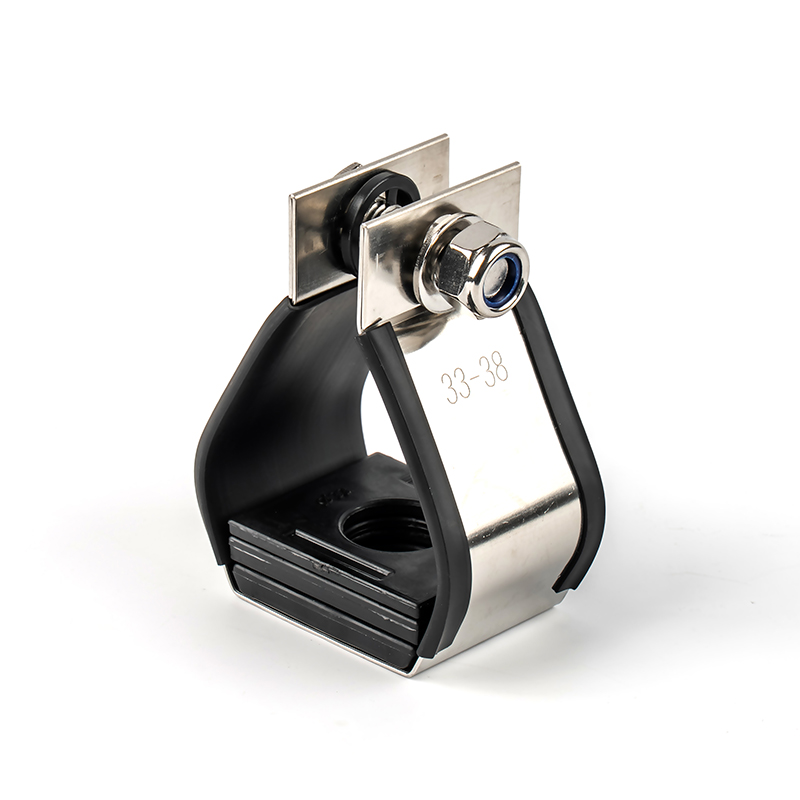
The single cable Cleats made of 316 stainless stee...
View more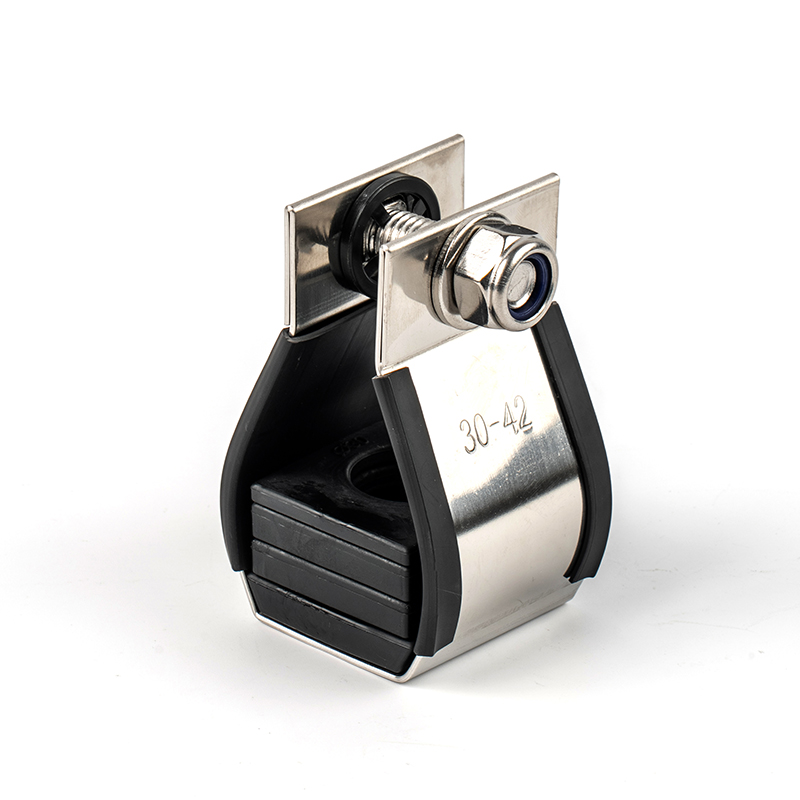
Manufactured from high-grade 316 stainless steel, ...
View more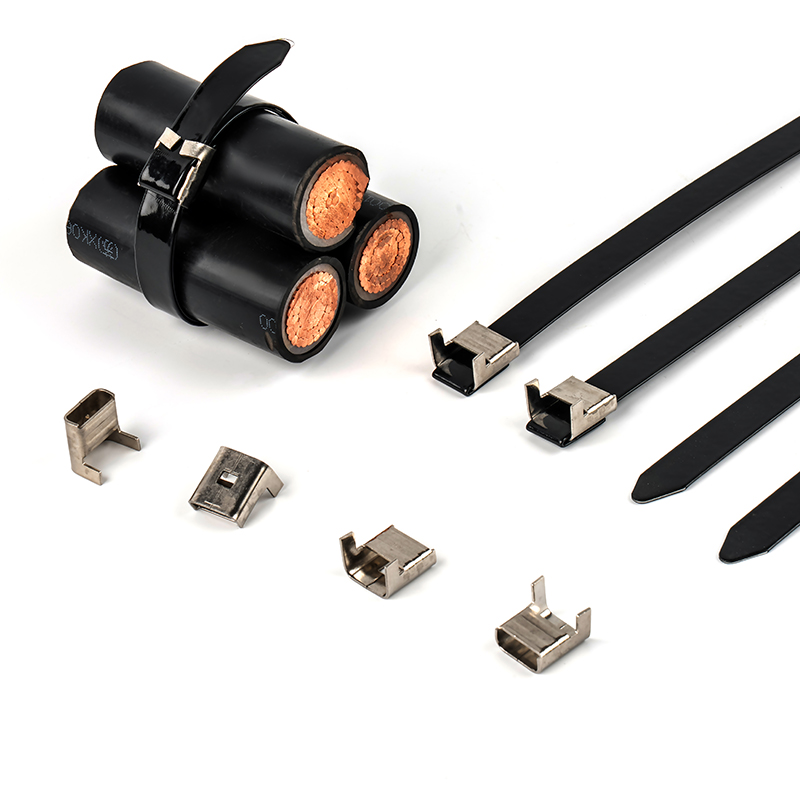
Brand Name: FengfanApproved Certificate: DNV &...
View moreContent
In high-density cabling scenarios such as data centers, rail transit, and smart grids, nylon cable markers in rolls are rapidly replacing traditional single-piece identification plates to become the standard configuration for cable management systems, leveraging the dual advantages of continuous roll format and weather-resistant nylon material. The core benefits include roll lengths reaching 50 to 200 meters with on-demand cutting capability, identification efficiency improvements of over 40%, and Nylon 66 material maintaining stable mechanical properties and flame retardancy in environments ranging from -40°C to 85°C.
From an application data perspective, the global cable identification market reached approximately $2.8 billion in 2024, with the roll-format nylon marker segment growing at 11.3%—significantly outpacing the industry average growth rate of 6.8%. This structural growth is driven by engineering teams' comprehensive considerations of construction efficiency, long-term readability, and total lifecycle cost control.
Traditional cable markers are typically supplied as pre-cut single pieces with fixed lengths (such as 30mm or 50mm), suitable for small-scale or scattered cabling scenarios. However, in large-scale engineering projects, the drawbacks of single-piece markers become increasingly apparent: complex inventory management, significant cutting waste, and low installation efficiency. The roll format fundamentally addresses these issues.
Taking a typical data center server room as an example, a single row of cabinets requires identification for approximately 1,200 cables. Using single-piece markers, workers must peel off backing adhesive and position each piece individually, averaging about 45 seconds per cable for a total of approximately 15 hours. With roll-format markers and dedicated cutting tools, workers can continuously feed, mark, and cut, reducing the average time to 25 seconds per cable and total time to approximately 8.3 hours—an efficiency improvement of 45%. In projects where labor costs are calculated at 300 RMB per day, this difference directly saves approximately 2,000 RMB in labor expenses.
The fixed length of single-piece markers often cannot perfectly match actual cable diameters, resulting in curled edges or overlaps that compromise aesthetics and durability. Roll-format markers allow construction personnel to cut precisely to actual circumference, improving material utilization from approximately 75% for single-piece forms to over 95%. Furthermore, the roll format dramatically simplifies inventory management: the same roll can serve multiple wire gauges through different cut lengths, whereas single-piece markers require separate stock for each gauge, reducing SKU counts by 60% to 70%.
Roll-format cable markers typically use Nylon 66 (PA66) or Nylon 6 (PA6) as base materials, with significant differences in mechanical strength, temperature resistance, and flame retardancy ratings. Correctly understanding these differences is a prerequisite for ensuring the long-term reliability of identification systems.
| Performance Index | Nylon 66 (PA66) | Nylon 6 (PA6) | Engineering Significance |
|---|---|---|---|
| Tensile Strength | 80-85 MPa | 70-75 MPa | PA66 more resistant to mechanical stress |
| Temperature Range | -40°C to 120°C | -30°C to 100°C | PA66 suitable for high-temperature server rooms |
| Water Absorption | 2.5% | 3.0% | PA66 offers superior dimensional stability |
| Flame Rating | UL94 V-2 to V-0 | UL94 HB to V-2 | PA66 easier to achieve high flame ratings |
| Chemical Resistance | Oil and weak acid resistant | Oil resistant, not strong alkali resistant | PA66 preferred for chemical environments |
In scenarios with stringent fire protection requirements such as data centers, rail transit, and nuclear power, pure nylon materials struggle to meet UL94 V-0 or IEC 60332-1-2 standards. Through modification with red phosphorus flame retardants or magnesium hydroxide, nylon marker flame ratings can be elevated to V-0, with oxygen indices increasing from 24% for pure nylon to over 30%. Field test data from a metro project showed that cable bundles with flame-retardant modified nylon markers achieved self-extinguishing times of less than 5 seconds after 30 seconds of flame exposure, compared to over 20 seconds for standard nylon markers—a significant difference.
Marking content on roll-format nylon markers is typically achieved through thermal transfer, laser marking, or UV inkjet printing. These technologies differ significantly in durability, cost, and applicable batch sizes, requiring procurement professionals to match selection with project timelines and maintenance frequencies.
Thermal transfer technology uses ribbon to transfer ink onto the nylon surface, delivering strong adhesion and maintaining over 85% readability after 5 years of outdoor UV exposure—making it the mainstream solution in industrial applications. Laser marking creates permanent indentations by vaporizing the nylon surface layer, completely eliminating ink detachment risks, but requires higher equipment investment and is suitable for large-batch standardized production. UV inkjet offers maximum flexibility, supporting real-time variable data printing, but has relatively weaker scratch resistance, making it more suitable for indoor short-term applications.
Ink formulation is equally critical. Standard thermal transfer ribbons show ink migration rates of less than 5% after 1,000 hours of continuous operation at 80°C; inferior ribbons can reach migration rates of over 30% under identical conditions, causing blurred markings or contamination of adjacent cables. Procurement professionals should explicitly require ribbons to comply with ASTM D3359 adhesion testing standards in contracts.
Roll-format nylon cable markers have penetrated multiple high-value sectors, with different scenarios imposing differentiated requirements on marker width, thickness, flame rating, and printing content formats.
Modern data centers have reached power densities of 15 to 30kW per cabinet, with internal cabinet temperatures frequently fluctuating between 35°C and 45°C. Nylon markers in this environment must maintain long-term resistance to edge curling and embrittlement. Industry best practices indicate that selecting PA66 substrates with thicknesses of 0.15mm to 0.20mm, paired with high-temperature acrylic pressure-sensitive adhesive, can maintain peel strength of ≥1.5N/cm at 40°C, satisfying identification lifecycle requirements of over 10 years.
Regarding marking content standards, the TIA-606 standard explicitly requires data center cable markers to include four elements: unique identifier, source port, destination port, and system affiliation. Roll-format markers support on-demand printing of this complex information, whereas traditional pre-printed single-piece markers often cannot accommodate dynamic changes due to their fixed information.
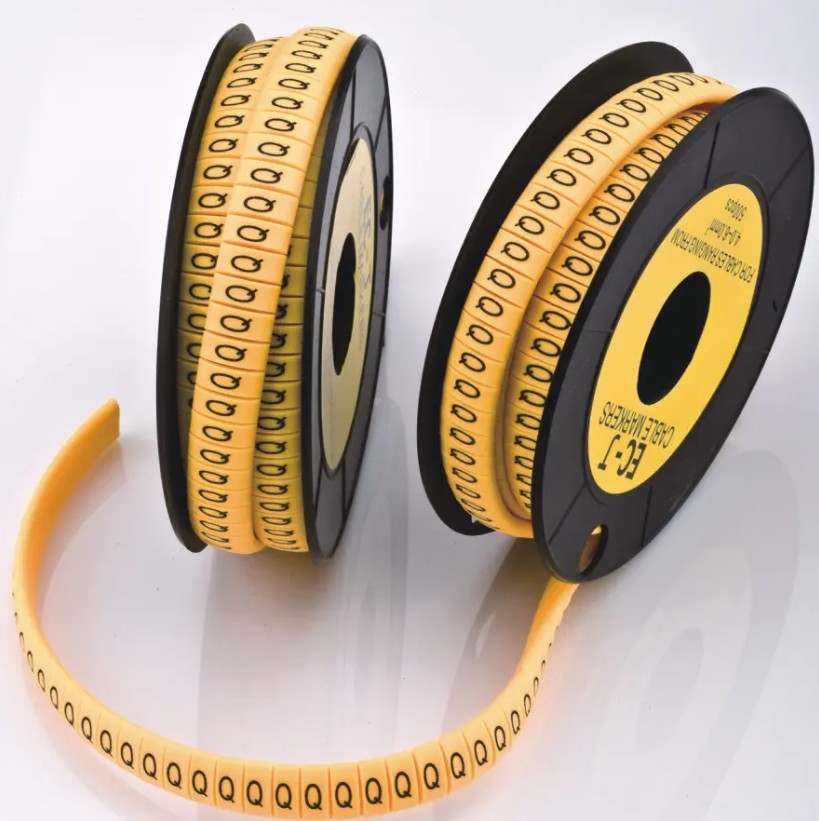
Continuous vibration during train operation (frequencies of 5Hz to 50Hz, accelerations of 0.5g to 1.0g) poses severe challenges to marker adhesion. Comparative testing in a high-speed rail project showed that nylon markers with standard backing adhesive had a detachment rate of 12% after 1 million simulated vibration cycles, while switching to modified silicone adhesive reduced the detachment rate to below 1.5%. Additionally, the EN 45545-2 standard imposes strict requirements on fire, smoke, and toxicity performance for rail vehicle materials, requiring nylon markers to pass HL3 level testing with smoke density (Ds max) not exceeding 300 and toxicity index (CITG) not exceeding 1.5.
Offshore wind platform cable identification systems face extreme conditions including salt spray concentrations exceeding 5% and UV radiation intensity 1.3 times that of land-based environments. Standard nylon begins powdering and cracking within 2 to 3 years in such conditions. Modified nylon markers incorporating UV-326 ultraviolet absorbers and HALS light stabilizers maintain tensile strength retention rates of over 80% after accelerated aging testing (QUV-B, 3,000 hours), satisfying the 25-year design life identification requirements of offshore platforms.
Procurement of roll-format nylon cable markers may appear straightforward, but actually involves multi-dimensional matching across materials science, printing processes, and application scenarios. The following pitfalls recur frequently in engineering practice, and procurement professionals should establish systematic prevention mechanisms.
During the supplier screening phase, it is recommended to establish a scorecard encompassing the following dimensions: raw material traceability capability (weight 20%), completeness of third-party test reports (weight 25%), customization response speed (weight 15%), production capacity stability (weight 20%), historical project cases (weight 10%), and after-sales service system (weight 10%). Suppliers scoring below 75 points should be directly eliminated to reduce supply chain risks.
The installation efficiency of roll-format markers depends not only on the product itself but also significantly on construction tools and process workflows. In ultra-large projects, the introduction of semi-automated installation equipment can increase per-capita daily output from 300 cables to over 800 cables.
For conventional projects, handheld cutters paired with portable thermal transfer printers are sufficient. Cutters should support width adjustment from 10mm to 50mm, with cut flatness deviation not exceeding ±0.5mm to prevent marker edge burrs from affecting adhesion. Thermal transfer printers should have resolution no lower than 300dpi to ensure small fonts (such as 6pt) remain clearly legible.
For large-scale data center or metro projects, desktop automatic cutting and printing all-in-one machines are recommended. These devices support continuous feeding, automatic cutting, and batch printing, with single-unit daily capacity reaching 3,000 to 5,000 pieces and print position accuracy controlled within ±0.3mm. In a 50,000 square meter data center project, adopting semi-automated equipment reduced the marking construction period from 45 days to 18 days, with human error rates dropping from 3% to below 0.5%.
The cable marking industry is undergoing a paradigm shift from passive identification to active management. Smart markers integrating RFID chips or QR codes have entered the pilot phase, enabling complete lifecycle data reading—including installation date, maintenance records, and load status—through handheld terminal scanning. In a smart grid project, cable inspection efficiency improved by 70% with RFID markers, completely eliminating manual transcription errors.
Regarding material sustainability, breakthroughs have been achieved in bio-based nylon (such as PA56, derived from bio-based pentamethylenediamine), with carbon footprints reduced by over 40% compared to petroleum-based PA66, while mechanical performance approaches PA66 levels. By 2028, bio-based material penetration in the cable marker sector is projected to increase from the current less than 3% to 15%, becoming a source of differentiated competitiveness for exports to the EU market. Additionally, the trend of water-based UV inks replacing solvent-based inks is accelerating, with VOC emissions reducible by over 90%, satisfying increasingly stringent environmental regulations.
The single cable Cleats made of 316 stainless steel is used for cable management. It is corrosion-resistant, high-temperature resistant and meets international standards. It is suitable for various ha...
See Detail
Manufactured from high-grade 316 stainless steel, this cable management system is specifically designed for secure cable retention in power generation, petrochemical, marine, offshore platforms, and c...
See Detail
Brand Name: FengfanApproved Certificate: DNV & ABS.Product Description: Cable Fixing Band and ClipsThe Lower Cost Alternative to Cable Cleats Product Benefits- Low profile finish- 316 grade stain...
See DetailMobile: +86-136 7685 3958
Email: lihai.fan@zjffdl.com
Mobile: +86-188 57530390
Email: alan.huang@zjffdl.com
No. 1116 Yasha Ave, Cao’e Street, Shangyu District, Shaoxing City, Zhejiang, China, 312300

+86-0575-8215 2808
/8200 8688/8239 2526

+86-0575-8215 2066
Copyright ©Zhejiang Fengfan Cable Fittings Co.,Ltd.
