


 English
 中文简体
中文简体
+86-0575-8215 2808
/8200 8688/8239 2526
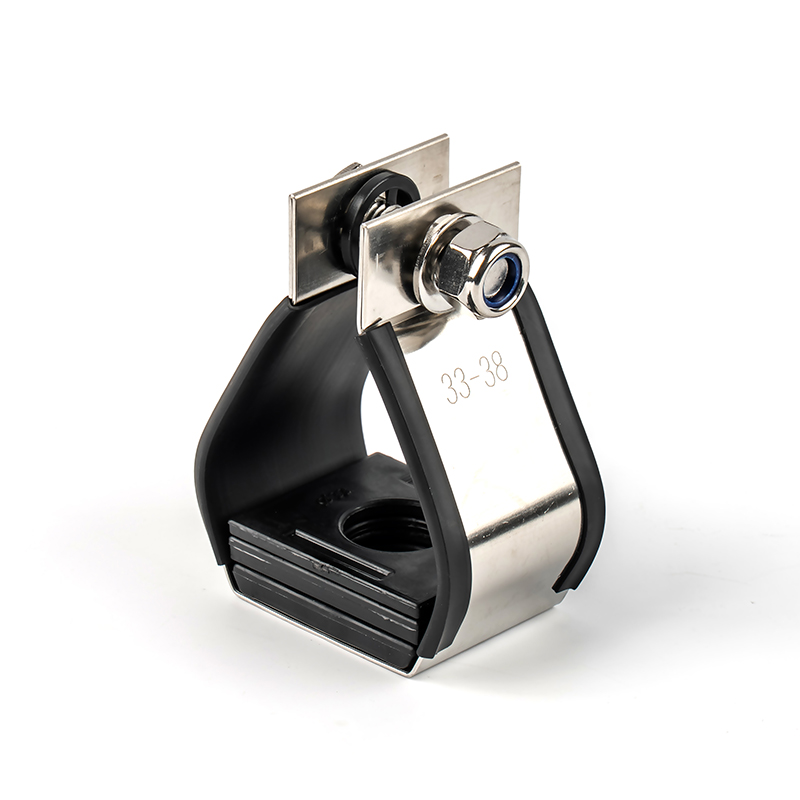
The single cable Cleats made of 316 stainless stee...
View more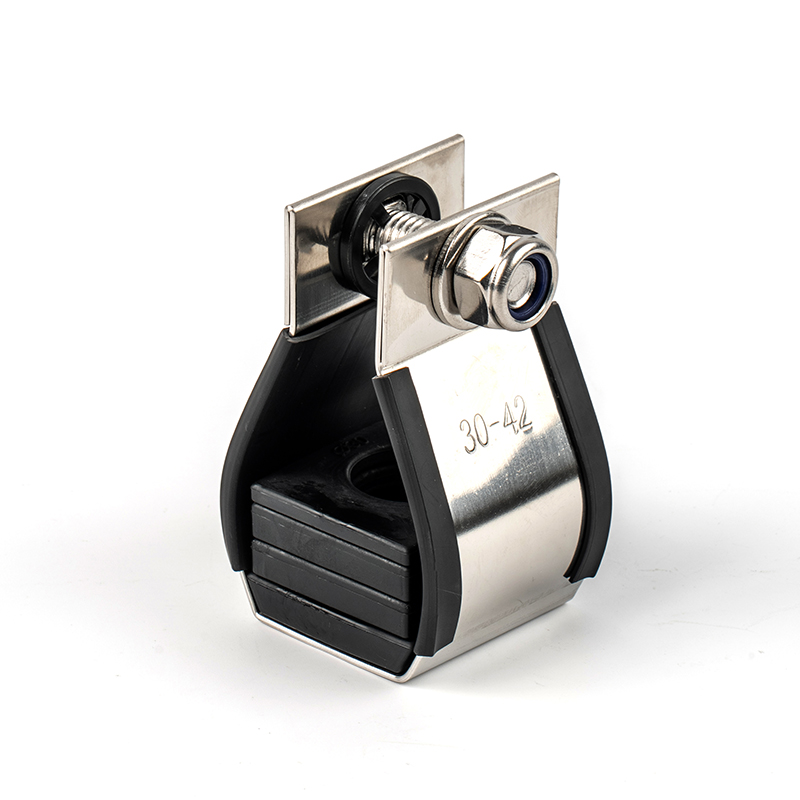
Manufactured from high-grade 316 stainless steel, ...
View more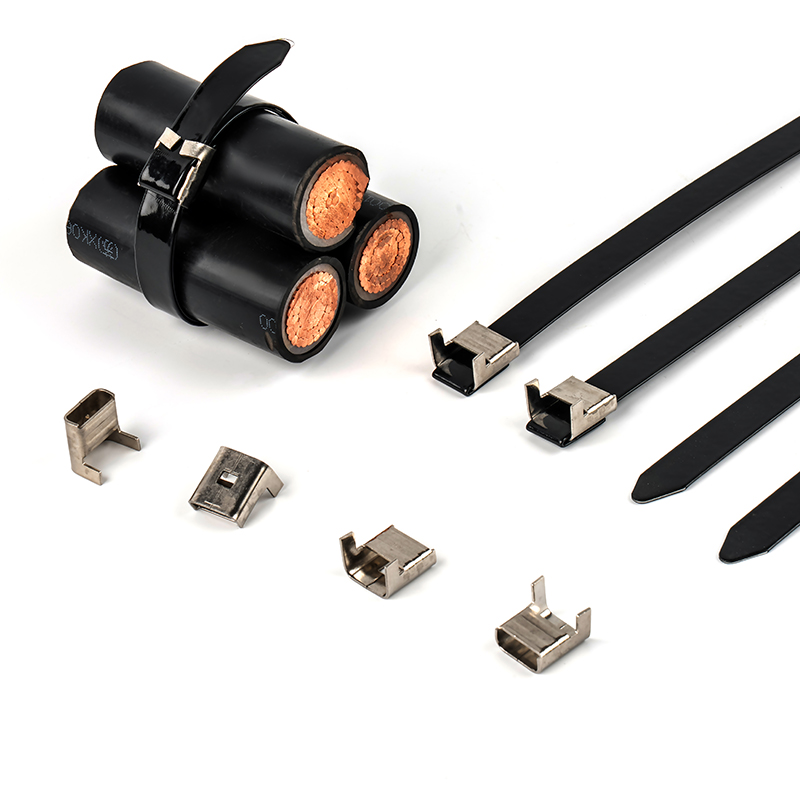
Brand Name: FengfanApproved Certificate: DNV &...
View moreContent
The global stainless steel cable tie buckle (Buckles) market is currently in an upward trajectory with a compound annual growth rate exceeding 6.5%, with the Asia-Pacific region contributing nearly 45% of incremental demand. This growth is primarily driven by new energy infrastructure, marine engineering, and industrial fastening needs in harsh environments. For procurement decision-makers, the present moment represents a critical window to optimize supply chains and lock in high-quality suppliers.
From a supply chain perspective, stainless steel cable tie buckles serve as core fastening components within cable management systems, and their performance directly determines the safety rating and service life of the entire cable fixing solution. Industry data indicates that cable loosening and abrasion incidents caused by improper buckle selection account for as much as 12% of industrial safety accidents—a figure that underscores the critical importance of matching product technical parameters with real-world applications.
The application scope of stainless steel cable tie buckles has expanded significantly from traditional power and telecommunications sectors into offshore wind energy, photovoltaic mounting systems, and electric vehicle wiring harness management. Taking offshore wind power as an example, a single offshore substation's cable fixing system requires between 2,000 and 5,000 sets of stainless steel buckles, with corrosion resistance requirements demanding salt spray testing exceeding 1,000 hours.
Global newly installed photovoltaic capacity in 2025 is projected to surpass 450 GW, driving an 18% year-on-year increase in demand for stainless steel buckles for PV mounting and combiner box cable management. In the electric vehicle sector, the electromagnetic shielding and mechanical fixing requirements for high-voltage wiring harnesses have pushed the penetration rate of 316L stainless steel buckles from 32% in 2020 to 58% in 2025.
Specifically, a pure electric passenger vehicle contains approximately 800 to 1,200 cable fixing points throughout its wiring harness, of which roughly 30% require stainless steel buckles to ensure long-term reliability under high-temperature and vibrational conditions. As 800V high-voltage platforms become mainstream, the insulation and mechanical strength requirements for wiring harness fixing have risen further, accelerating demand for coated stainless steel buckles.
The International Maritime Organization (IMO) and NORSOK standards have raised the bar for corrosion protection ratings in offshore platform cable fixing. Stainless steel buckles featuring PA11 coating or epoxy resin coating have demonstrated service life extensions from 5 years for standard materials to over 12 years in actual North Sea oilfield applications, with maintenance cost reductions of 60%.
The unique challenge of marine environments lies in the simultaneous exposure to high salt spray, high humidity, and ultraviolet radiation. A case study from an offshore drilling platform in the South China Sea, where over 15,000 sets of stainless steel buckles were installed in the cable tray system, revealed after 8 years of operation that buckles with dual-layer coating technology maintained a surface integrity rate of 97%, whereas single-layer coated products showed only 71% integrity. This comparative data provides procurement professionals with clear technical selection criteria.
The current market for stainless steel cable tie buckles has crystallized into six mainstream series, each corresponding to different mechanical strength, installation efficiency, and environmental adaptability requirements. Procurement professionals must match the appropriate series to specific working conditions rather than making decisions based solely on price.
| Series Code | Core Features | Typical Applications | Tensile Strength Range |
|---|---|---|---|
| BKL Series | Standard type, high versatility | General industrial cable fixing | 800-1,200N |
| BKG Series | Heavy-duty, high mechanical strength | Heavy machinery, port equipment | 1,500-2,200N |
| BKLG Series | Serrated anti-slip design | Automotive wiring in vibrational environments | 1,000-1,600N |
| BKW Series | Wide structure for large-diameter cables | Power energy, submarine cables | 1,200-1,800N |
| BKO Series | Open design for rapid installation | Applications requiring frequent maintenance | 600-1,000N |
| BKF Series | Fire-resistant, high-temperature coating | Nuclear power, rail transit | 1,000-1,500N |
Type 304 stainless steel performs well in general industrial environments; however, in coastal or chemical processing environments, Type 316L stainless steel—with its molybdenum content of 2%-3%—delivers pitting corrosion resistance more than 3 times greater than that of 304. In coating technology, PPA coatings offer a temperature range of -40°C to 150°C, while PA11 coatings demonstrate superior oil resistance and UV protection, making them suitable for high-temperature, oil-contaminated environments such as automotive engine compartments.
It is worth noting that different coating processes have a significant impact on buckle clamping force. Experimental data shows that uncoated stainless steel buckles achieve an average clamping force of 850N, whereas after epoxy resin coating treatment, surface friction coefficient changes reduce this figure to approximately 720N. Therefore, when selecting coated buckles, it is advisable to upgrade one strength grade to ensure fixing reliability.
Buckle installation efficiency directly impacts construction timelines for large-scale projects. The BKO open-series design, which allows pre-fixing without threading, increases daily installation output per worker from 200 sets to 450 sets compared to traditional models. In data center construction projects, this efficiency gain translates to 30% labor cost savings. However, the open structure offers relatively lower tensile strength and is suitable for low mechanical load scenarios—procurement professionals must balance efficiency against strength requirements.
For B2B procurement professionals, supplier selection should not focus solely on unit price but rather on a multi-dimensional evaluation framework. The following five metrics directly determine long-term operational and maintenance costs:
Before entering long-term cooperation agreements, procurement professionals are advised to conduct on-site factory audits. Focus on three critical areas: whether the raw material storage zone is segregated by grade to prevent mixing of 304 and 316L; tooling maintenance records in the stamping workshop, as die wear can directly cause buckle dimensional deviations exceeding ±0.2mm, affecting fit precision with cable ties; and temperature and humidity control in the coating workshop, where ambient humidity exceeding 70% significantly reduces coating adhesion.
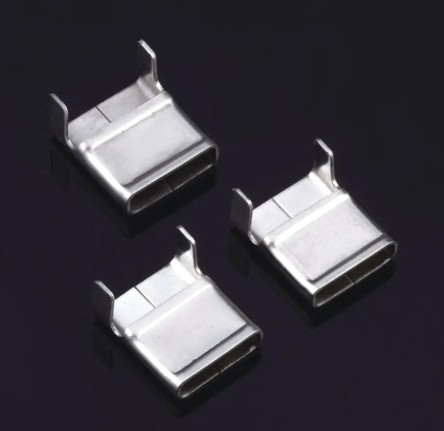
China's stainless steel cable tie buckle industry is concentrated in Zhejiang, Guangdong, and Jiangsu provinces, which together account for 78% of national output. Taking the Shangyu district of Zhejiang as an example, local enterprises leverage the logistics advantages of Ningbo Port and the export convenience of Shanghai Port to form a complete industrial chain from raw material processing to finished product export. Representative companies typically operate factory floor areas of 10,000 to 25,000 square meters, with full-process autonomous production capabilities spanning tooling development to coating treatment.
Between 2020 and 2025, China's stainless steel buckle export value grew at an average annual rate of 9.2%, with growth rates reaching 14% for Middle Eastern and Southeast Asian markets. This shift is directly linked to local oil facility upgrades and port expansion projects. Notably, the EU market's CE marking and RoHS directive requirements have intensified testing for hazardous substance content in coatings, compelling suppliers to upgrade to environmentally friendly coating processes.
Examining export product structures, uncoated basic models accounted for as much as 65% of China's stainless steel buckle exports in 2020; by 2025, the share of high-end coated products had risen to 42%, reflecting significant progress by Chinese manufacturers in product value-added enhancement. The Middle Eastern market is characterized by large single-order volumes and tight delivery schedules, with typical order scales ranging from 50,000 to 100,000 sets, placing higher demands on supplier capacity planning and inventory management.
In the domestic market, rail transit and data centers have emerged as the two fastest-growing segments. Demand for BKF fire-resistant series in rail transit is growing at 22% annually, driven primarily by the rapid expansion of urban metro networks. The data center sector shows greater interest in BKLG anti-slip series, because in high-density server cabinet wiring environments, vibration-induced cable loosening is a primary failure source, and serrated anti-slip buckles can reduce such failure rates by 75%.
As industrial fasteners, stainless steel cable tie buckles must satisfy multiple international and industry standards. Procurement professionals must confirm that products meet mandatory certification requirements for target markets; otherwise, they risk product returns, fines, or even project shutdowns.
| Target Market | Core Certification Requirements | Key Testing Items | Non-Compliance Risk Level |
|---|---|---|---|
| European Union | CE Marking, RoHS 3.0 | Coating heavy metal content, mechanical strength | High |
| North America | UL Certification, ASTM Standards | Flame retardancy, tensile strength | High |
| Middle East | SASO Certification | Salt spray testing, material composition | Medium |
| China | GB/T National Standards | Dimensional tolerances, surface quality | Medium |
| Nuclear Sector | ASME NQA-1 | Full lifecycle traceability, irradiation testing | Extremely High |
Taking the RoHS 3.0 directive as an example, its limit values for hazardous substances such as lead, cadmium, and mercury in coatings are extremely stringent, with lead content not to exceed 0.1%. In 2024, a batch of stainless steel buckles exported to Germany was returned in its entirety because coating lead content tested at 0.13%, resulting in direct losses exceeding €120,000. This case serves as a warning to procurement professionals that material and coating environmental compliance clauses must be explicitly specified in contracts, with original third-party test reports required from suppliers.
Based on current market and technical conditions, procurement professionals should follow this decision logic: first, define the corrosion grade and mechanical load requirements of the application environment; second, narrow down candidate models from the BKL through BKF six-series range; and finally, verify the supplier's actual process capability through sample testing. Before bulk procurement, it is recommended to request stability test data from at least three production batches to ensure tensile strength variation remains within ±5%.
For long-term projects, annual framework agreements with locked raw material prices are recommended to mitigate cost risks from stainless steel coil price fluctuations. Between 2024 and 2025, 304 stainless steel coil price volatility reached ±12%, with non-negligible impact on finished buckle costs. For a medium-scale project with monthly procurement of 10,000 sets, raw material price fluctuations could create annual procurement cost variances as high as 80,000 to 150,000 RMB.
Procurement decisions should transcend initial purchase costs and incorporate Total Cost of Ownership (TCO) considerations. In offshore platform applications, for example, selecting standard 304 material buckles carries an initial procurement cost of 100 units, but requires 3 replacements within a 5-year service cycle, bringing total cost to 300 units; whereas selecting 316L coated buckles carries an initial cost of 180 units but delivers a 12-year service life, resulting in a normalized total cost of only 180 units over the same period—a comprehensive cost saving of 40%. This calculation does not yet account for labor and production losses from downtime during replacements.
The stainless steel cable tie buckle industry is transitioning from traditional manufacturing to intelligent manufacturing. Some leading suppliers have introduced vision inspection systems for 100% inline dimensional accuracy testing, reducing defect rates from 0.8% under manual inspection to below 0.05%. Furthermore, RFID-embedded buckle development has entered the pilot phase, promising future digital tracking and condition monitoring of cable fixing points.
On the sustainability front, the trend toward water-based coatings replacing solvent-based coatings is becoming increasingly pronounced. Water-based epoxy coatings emit only 15% of the VOCs of solvent-based alternatives, with performance metrics already approaching those of conventional products. By 2027, water-based coating penetration in the stainless steel buckle sector is projected to rise from the current 12% to 35%, becoming the standard process for exports to the EU market.
The single cable Cleats made of 316 stainless steel is used for cable management. It is corrosion-resistant, high-temperature resistant and meets international standards. It is suitable for various ha...
See Detail
Manufactured from high-grade 316 stainless steel, this cable management system is specifically designed for secure cable retention in power generation, petrochemical, marine, offshore platforms, and c...
See Detail
Brand Name: FengfanApproved Certificate: DNV & ABS.Product Description: Cable Fixing Band and ClipsThe Lower Cost Alternative to Cable Cleats Product Benefits- Low profile finish- 316 grade stain...
See DetailMobile: +86-136 7685 3958
Email: lihai.fan@zjffdl.com
Mobile: +86-188 57530390
Email: alan.huang@zjffdl.com
No. 1116 Yasha Ave, Cao’e Street, Shangyu District, Shaoxing City, Zhejiang, China, 312300


+86-0575-8215 2808
/8200 8688/8239 2526

+86-0575-8215 2066
Copyright ©Zhejiang Fengfan Cable Fittings Co.,Ltd.
