


 English
 中文简体
中文简体
+86-0575-8215 2808
/8200 8688/8239 2526
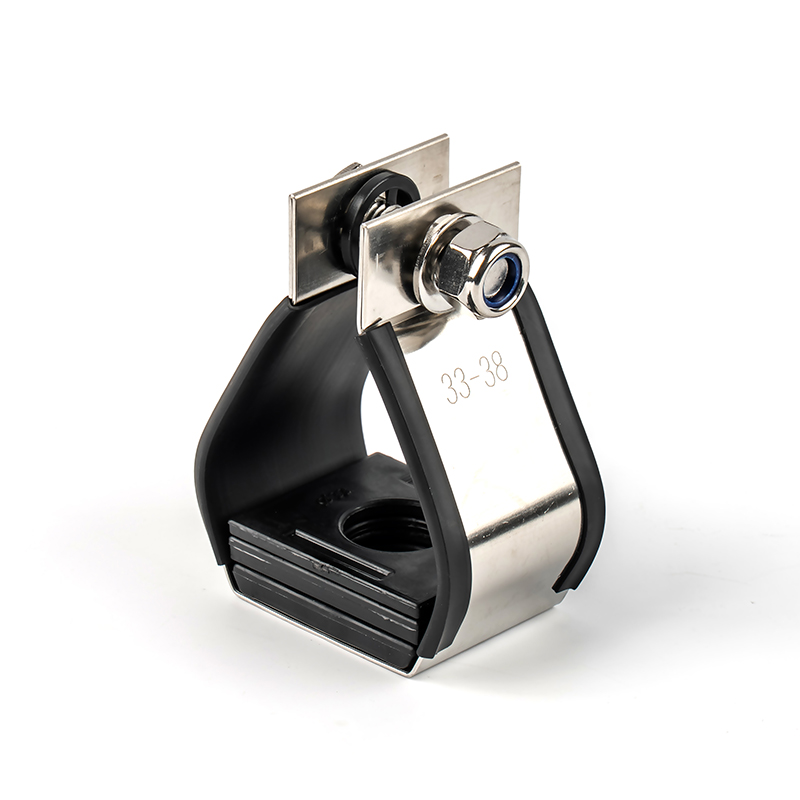
The single cable Cleats made of 316 stainless stee...
View more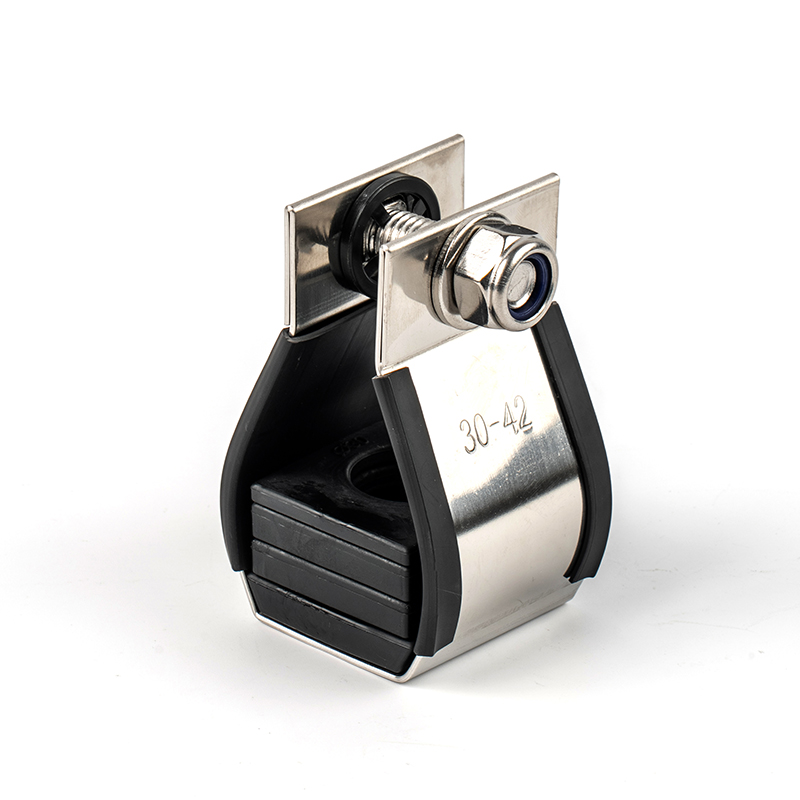
Manufactured from high-grade 316 stainless steel, ...
View more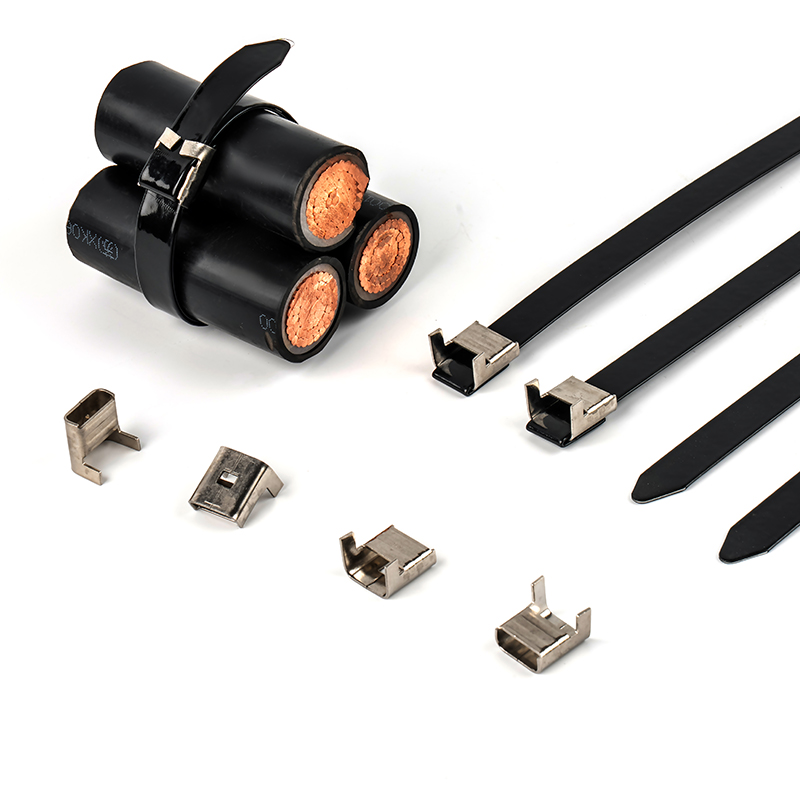
Brand Name: FengfanApproved Certificate: DNV &...
View moreContent
Weather resistant acetal (often a specialized copolymer or UV-stabilized homopolymer) is the definitive engineering plastic for applications demanding exceptional mechanical stability, low moisture absorption, and long-term durability in outdoor environments. Unlike standard acetal (POM), which can degrade under prolonged UV exposure and humidity cycles, this modified formulation ensures parts maintain their dimensional integrity, strength, and aesthetic appearance for years. For engineers and product designers, selecting weather resistant acetal means eliminating the risk of hydrolysis, surface cracking, and property loss—making it the go-to material for automotive exteriors, marine components, agricultural equipment, and outdoor infrastructure.
Weather resistant acetal refers to a family of polyoxymethylene (POM) plastics that have been chemically modified to withstand the destructive forces of outdoor exposure. Standard acetal, while excellent in indoor applications, is susceptible to two primary degradation mechanisms: UV radiation causing surface chalking and embrittlement, and hydrolysis in humid, high-temperature environments.
To combat this, manufacturers produce two main types:
Often, the most effective weather resistant grades combine both UV stabilization and hydrolysis resistance, ensuring comprehensive protection for critical outdoor components.
The primary function of this material is to deliver the renowned mechanical properties of acetal—high stiffness, low friction, and excellent dimensional stability—while surviving harsh environmental stressors. Its functions can be broken down into three critical areas:
Standard acetal can lose up to 50% of its impact strength after just one year of outdoor Florida exposure. Weather resistant grades maintain over 90% of their original impact resistance and flexural modulus after equivalent testing, ensuring snap-fits, gears, and structural housings do not become brittle or fail.
Acetal homopolymer is prone to hydrolysis—a chemical reaction with water that breaks down the polymer chains. Weather resistant copolymers exhibit a 30-40% lower moisture absorption rate (typically <0.25% in 24-hour immersion) and pass long-term hydrolysis tests such as ISO 11173. This function is vital for components like water meter housings, pump impellers, and marine latches that face constant moisture contact.
Outdoor applications face thermal cycling from -40°C to +85°C. Weather resistant acetal offers a coefficient of linear thermal expansion (CLTE) of approximately 8–11 × 10⁻⁵ /°C and maintains consistent tolerances. In real-world automotive applications, this prevents parts from warping or loosening in extreme desert heat or sub-zero winter conditions.
Using this material effectively requires adapting design, processing, and assembly methods to leverage its unique properties. Below is a practical guide.
When designing components, integrate these principles:
Weather resistant acetal is actively specified in the following demanding sectors:
Below are answers to the most common technical and practical questions regarding this engineering material.
No. Standard acetal (especially homopolymer) lacks UV stabilizers and has higher susceptibility to hydrolysis. Weather resistant acetal is a modified grade (typically copolymer) with additives that increase outdoor lifespan by 3-5 times compared to standard POM under direct sunlight and humidity.
Yes, certain grades comply with FDA 21 CFR 177.2470 (for copolymer) and EU Regulation No 10/2011. However, always verify with the specific supplier, as UV-stabilizing additives may affect compliance. Applications include outdoor food dispensing mechanisms and agricultural irrigation components that contact potable water.
It demonstrates excellent resistance to salt spray (passing 1,000+ hours in ASTM B117 tests), diluted acids, and aliphatic hydrocarbons. However, it is not recommended for strong oxidizing acids (e.g., nitric acid) or prolonged contact with high concentrations of chlorine or bromine, which can cause depolymerization.
Under moderate UV and temperate climate conditions, manufacturers guarantee 8-10 years of functional performance with minimal surface degradation. In accelerated QUV testing (ASTM G154), high-quality grades show no significant loss in tensile strength after 3,000 hours of exposure, equivalent to approximately 5-7 years of real-world outdoor use in subtropical climates.
Yes. It machines exceptionally well—often better than metal. For outdoor parts, it's critical to use sharp carbide tooling and avoid excessive heat. Post-machining, stress-relief annealing at 130°C for 30 minutes per 25 mm of thickness is recommended to prevent warping or environmental stress cracking in the field.
| Property | Standard POM (Homopolymer) | Weather Resistant Acetal (UV-Stabilized Copolymer) |
|---|---|---|
| Tensile Strength Retention | 60-70% | 90-95% |
| Impact Strength Retention (Izod) | 45-55% | 85-90% |
| Moisture Absorption (24h @ 23°C) | 0.30-0.35% | 0.20-0.25% |
| Surface Degradation (ΔE Color Change) | Severe chalking, ΔE > 10 | Slight gloss loss, ΔE < 3 |
In summary, the data confirms that for any outdoor application where reliability and longevity are critical, weather resistant acetal is not just an alternative—it is the necessary engineering choice that mitigates the failure modes of conventional acetal.
The single cable Cleats made of 316 stainless steel is used for cable management. It is corrosion-resistant, high-temperature resistant and meets international standards. It is suitable for various ha...
See Detail
Manufactured from high-grade 316 stainless steel, this cable management system is specifically designed for secure cable retention in power generation, petrochemical, marine, offshore platforms, and c...
See Detail
Brand Name: FengfanApproved Certificate: DNV & ABS.Product Description: Cable Fixing Band and ClipsThe Lower Cost Alternative to Cable Cleats Product Benefits- Low profile finish- 316 grade stain...
See DetailMobile: +86-136 7685 3958
Email: lihai.fan@zjffdl.com
Mobile: +86-188 57530390
Email: alan.huang@zjffdl.com
No. 1116 Yasha Ave, Cao’e Street, Shangyu District, Shaoxing City, Zhejiang, China, 312300


+86-0575-8215 2808
/8200 8688/8239 2526

+86-0575-8215 2066
Copyright ©Zhejiang Fengfan Cable Fittings Co.,Ltd.
