


 English
 中文简体
中文简体
+86-0575-8215 2808
/8200 8688/8239 2526
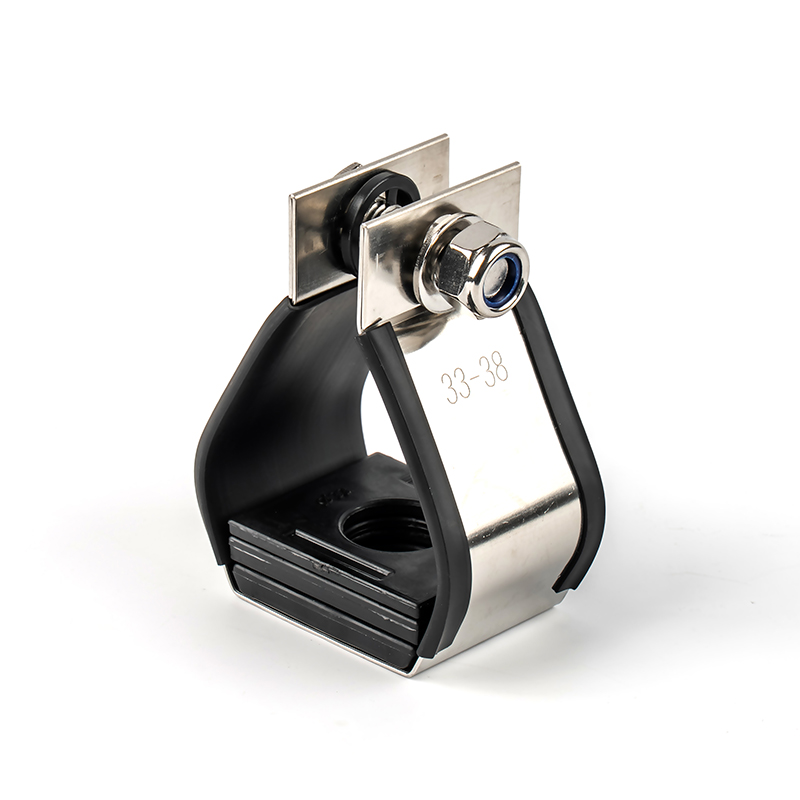
The single cable Cleats made of 316 stainless stee...
View more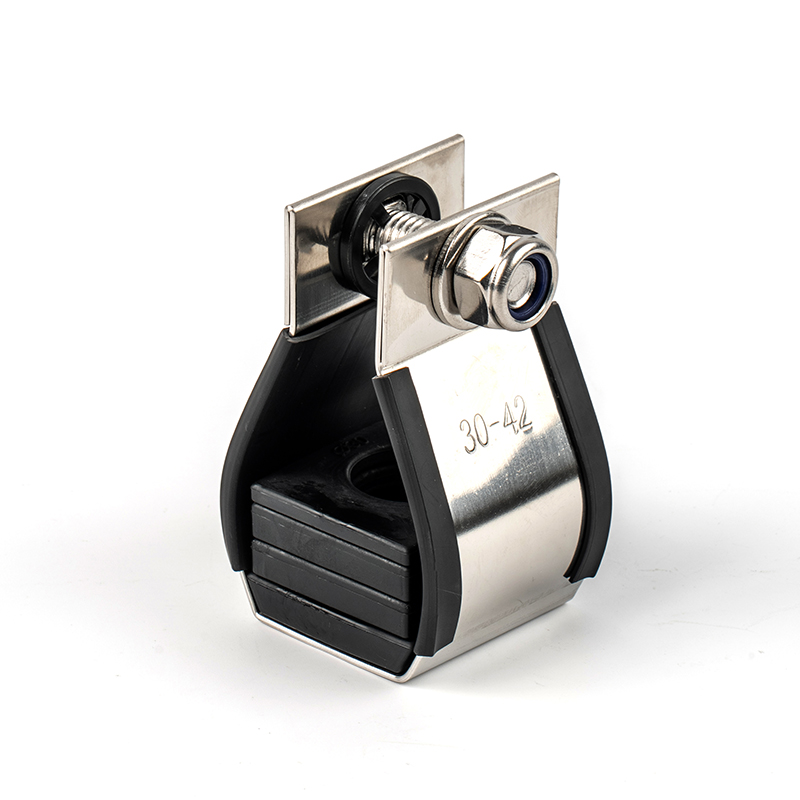
Manufactured from high-grade 316 stainless steel, ...
View more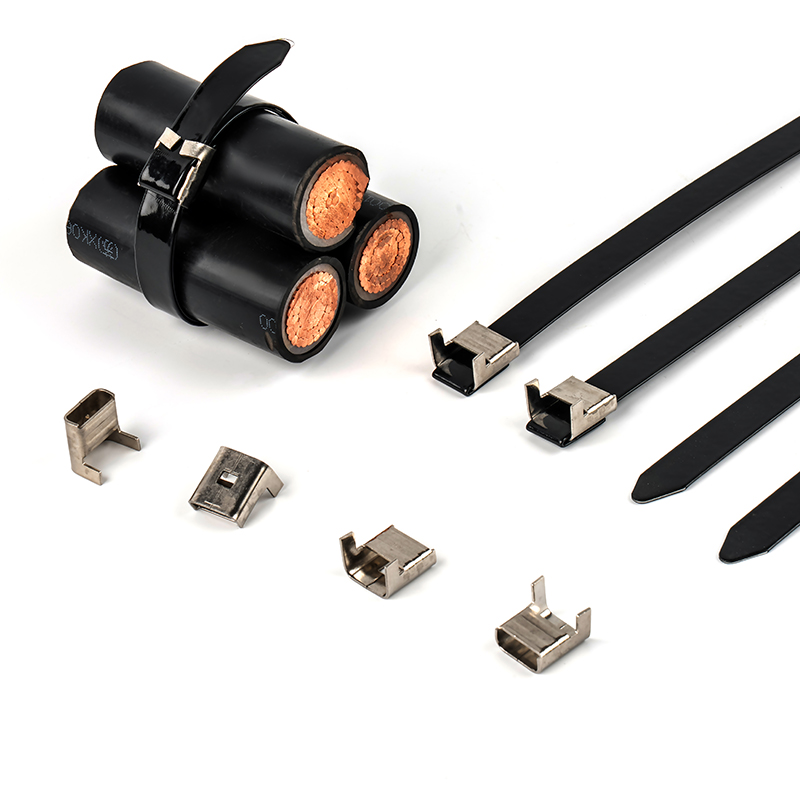
Brand Name: FengfanApproved Certificate: DNV &...
View moreContent
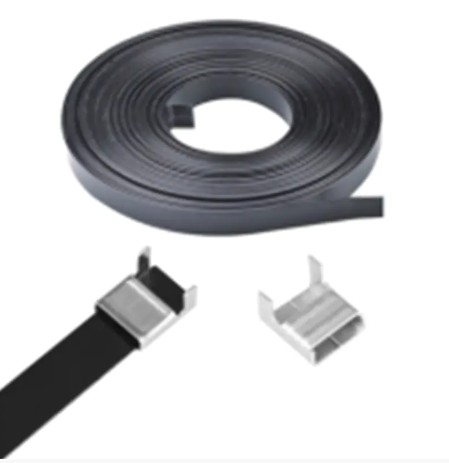
When selecting stainless steel strapping, the choice comes down to environment and application. For 95% of indoor industrial applications, Type 304 stainless steel offers the optimal balance of strength (typically 1,200-1,500 MPa tensile) and corrosion resistance. For marine, chemical, or high-chloride environments, Type 316 with molybdenum additives is mandatory to prevent pitting corrosion. Regarding application, achieving the correct tension—specifically 70-80% of the strap’s breaking strength—is critical for load security. Manual tensioners work for low-volume jobs, but pneumatic or battery-powered tools ensure consistent, repeatable results for high-volume operations, reducing failure rates by up to 40% compared to manual application.
Selecting the wrong grade is the leading cause of premature strapping failure. The two most common grades are 201, 304, and 316. While 201 is cheaper, it lacks the long-term durability required for outdoor or heavy-load securing. Below is a direct comparison to guide your decision.
| Grade | Tensile Strength (MPa) | Corrosion Resistance | Ideal Application |
|---|---|---|---|
| 201 Stainless | ~950-1,100 | Moderate (Prone to rust in humidity) | Short-term indoor bundling, cost-sensitive projects |
| 304 Stainless | 1,200-1,500 | High (Excellent for general use) | Standard industrial strapping, outdoor use, food processing |
| 316 Stainless | 1,300-1,550 | Superior (Contains Molybdenum) | Marine environments, chemical plants, high-salinity areas |
Beyond grade, width and thickness matter. For securing heavy machinery or steel coils, 1/2" (12.7mm) width with 0.020" (0.5mm) thickness is the industry standard, offering a breaking strength of approximately 2,500 lbs. For lighter bundling, 3/8" (9.5mm) width is sufficient.
Proper application is more critical than the strapping material itself. Improper sealing accounts for over 60% of strap failures in transit. Follow this process to ensure a secure load.
Manual tensioners and sealers (like the A333 or B500) are suitable for less than 50 straps per day. For high-volume applications, pneumatic tools are superior. Pneumatic combination tools can achieve a consistent tension of up to 7,000 N (Newtons), whereas manual tensioning typically maxes out at 4,500 N, leading to load shifts during transport.
Tension must be calibrated to the load’s compressibility. Over-tensioning can damage the product (e.g., crushing cardboard boxes), while under-tensioning allows the load to shift.
Addressing the most common technical and practical concerns helps avoid costly mistakes.
No. Plastic tensioners are designed for polyester (PET) or polypropylene (PP) straps. Stainless steel requires hardened steel tools. Using plastic tools will result in tool breakage and an inability to achieve the required tension. Always use tools specifically rated for stainless steel strapping.
Unlike plastic strapping which degrades with UV exposure, stainless steel has an indefinite shelf life if stored in a dry environment. However, coiled strapping can develop "set memory" if stored for years. If stored improperly in high humidity, Grade 304 can develop surface oxidation (tea staining), though this is cosmetic and does not affect tensile strength.
There are three primary causes: 1) Sharp corners cutting the strap (lack of edge protection). 2) Over-tensioning exceeding the material's yield strength. For example, applying 1,800 lbs of tension on a strap rated for 2,000 lbs is safe, but exceeding 2,000 lbs causes immediate yield and failure. 3) Incorrect seal placement causing a stress riser at the joint.
Yes. Stainless steel is 100% recyclable. However, it must be separated from general waste. Recovery rates for stainless steel strapping in industrial recycling programs often exceed 90%, making it a sustainable choice compared to plastic alternatives which often end up in landfills.
To achieve the title of "The Best Stainless Steel Strapping" for your operation, it is not just about the material—it is about the system. Adopting these best practices ensures compliance with safety standards like the North American Cargo Securement Standard (FMCSA).
By integrating these selection criteria and application techniques, you ensure that your stainless steel strapping system performs reliably under the stresses of transport and storage, providing long-term value and safety.
The single cable Cleats made of 316 stainless steel is used for cable management. It is corrosion-resistant, high-temperature resistant and meets international standards. It is suitable for various ha...
See Detail
Manufactured from high-grade 316 stainless steel, this cable management system is specifically designed for secure cable retention in power generation, petrochemical, marine, offshore platforms, and c...
See Detail
Brand Name: FengfanApproved Certificate: DNV & ABS.Product Description: Cable Fixing Band and ClipsThe Lower Cost Alternative to Cable Cleats Product Benefits- Low profile finish- 316 grade stain...
See DetailMobile: +86-136 7685 3958
Email: lihai.fan@zjffdl.com
Mobile: +86-188 57530390
Email: alan.huang@zjffdl.com
No. 1116 Yasha Ave, Cao’e Street, Shangyu District, Shaoxing City, Zhejiang, China, 312300


+86-0575-8215 2808
/8200 8688/8239 2526

+86-0575-8215 2066
Copyright ©Zhejiang Fengfan Cable Fittings Co.,Ltd.
