


 English
 中文简体
中文简体
+86-0575-8215 2808
/8200 8688/8239 2526
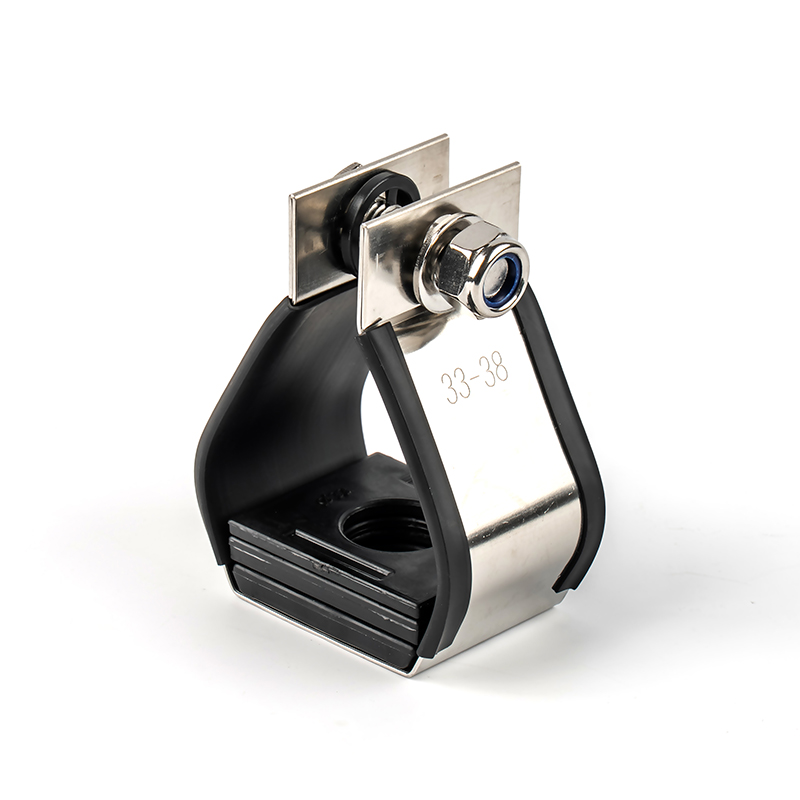
The single cable Cleats made of 316 stainless stee...
View more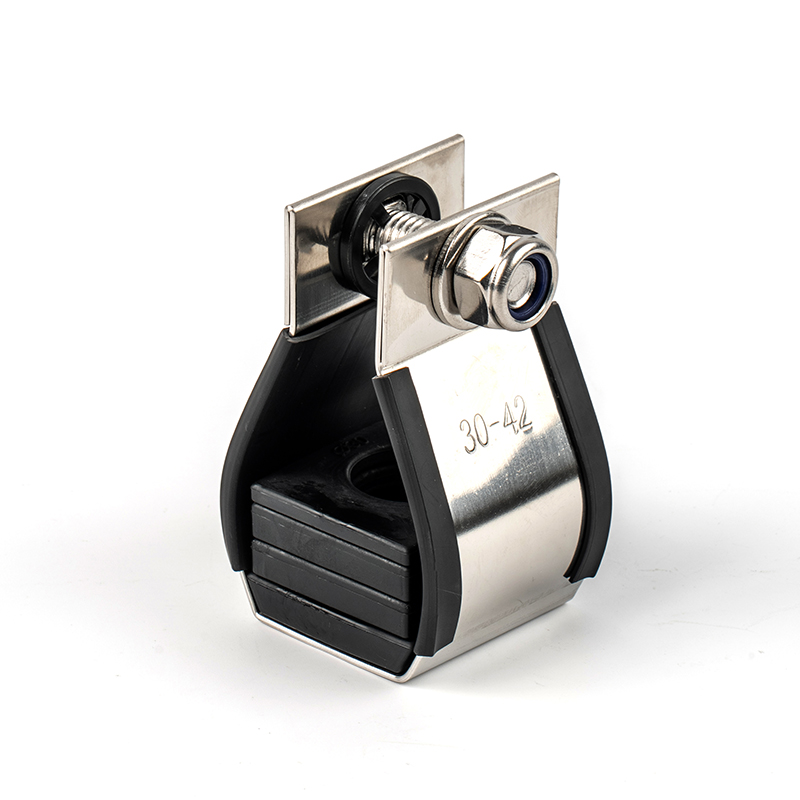
Manufactured from high-grade 316 stainless steel, ...
View more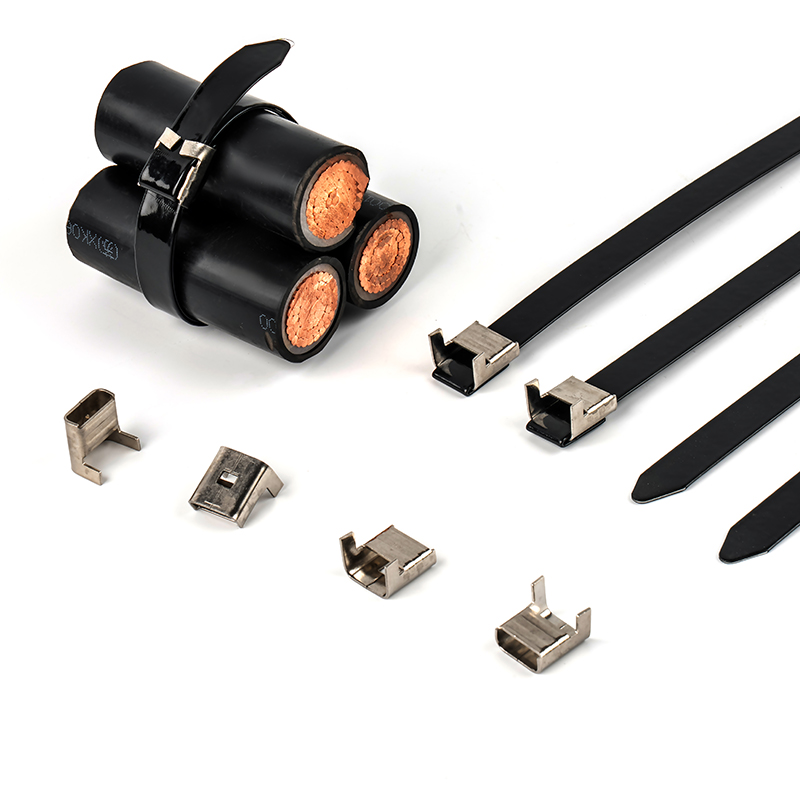
Brand Name: FengfanApproved Certificate: DNV &...
View moreContent
To maintain nylon cable ties effectively, focus on three core actions: UV protection for outdoor use, consistent tension verification during installation, and regular visual inspection for brittleness or physical wear. Unlike metal fasteners, nylon is susceptible to UV degradation and relaxation over time. Proper maintenance ensures a lifespan of 10 to 20 years indoors, but this drops significantly without intervention in harsh environments.
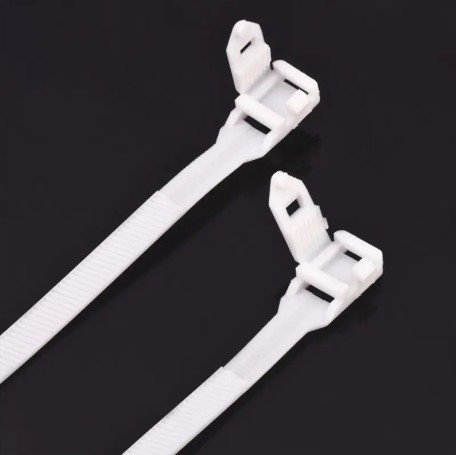
Nylon 6/6, the standard material for cable ties, is hygroscopic, meaning it absorbs moisture from the air. This is a double-edged sword. At 50% relative humidity, nylon can absorb up to 2.5% of its weight in water, which actually increases flexibility and impact resistance. However, in dry or UV-exposed conditions, it loses this moisture, becoming brittle. Maintenance is essentially managing this moisture balance and shielding the material from environmental stressors that accelerate oxidation.
Standard nylon cable ties are not inherently UV-stable. Without UV stabilizers, ties exposed to direct sunlight will begin to surface-crack within 6 to 12 months and lose up to 70% of their tensile strength within 2 years. For outdoor maintenance, you must either use UV-stabilized (often black) ties or apply a protective coating. In industrial solar farm installations, inspections are scheduled every 6 months to replace any ties showing chalking or surface fissures.
One of the most common maintenance failures is "creep"—the tendency of nylon to relax under constant stress. Within the first 24 hours after installation, a nylon cable tie can lose 15-20% of its initial installation tension. Maintenance protocols often recommend re-tightening or verifying tension 24-48 hours post-installation for critical applications like aerospace wiring or seismic bracing.
Nylon is resistant to hydrocarbons, oils, and greases but is vulnerable to strong acids, phenols, and oxidizing agents. Exposure to battery acid (sulfuric acid) can reduce tensile strength by over 50% in just 72 hours. In automotive or industrial settings, maintenance checks should include wiping ties with a dry cloth to remove corrosive residue.
Yes, but only if they have a releasable pawl mechanism. Standard zip-ties are single-use because the locking tab is designed to shear if forced open, reducing tensile strength by up to 30% if re-tightened. For applications requiring reusability, use "releasable" or "reusable" ties specifically designed with a stainless steel locking tab or a thumb-release mechanism.
Standard nylon 6/6 cable ties have a continuous operating temperature range of -40°C to 85°C (-40°F to 185°F). However, they can withstand short-term exposure up to 120°C (248°F). For high-temperature environments like engine compartments, heat-stabilized nylon ties are required, rated for continuous use at 125°C (257°F). Below -40°C, the material becomes extremely brittle and will snap under minimal impact.
Preventing brittleness requires maintaining adequate moisture levels and avoiding UV exposure. In dry climates (below 20% humidity), nylon can lose its plasticizers. If ties appear dry or chalky, a light application of silicone spray or a dielectric lubricant can restore flexibility temporarily, though this is a short-term fix. For long-term prevention, always use UV-black ties outdoors and ensure adequate ventilation to prevent thermal cycling extremes.
A systematic inspection routine is the most effective maintenance strategy. The table below outlines what to look for during quarterly or bi-annual inspections, depending on environmental severity.
| Condition | Inspection Method | Action Required |
|---|---|---|
| Surface Chalking / Crazing | Visual; white powdery residue or fine cracks | Immediate replacement – tensile loss >40% |
| Discoloration (Yellowing) | Visual compared to new sample | Monitor; indicates UV degradation; schedule replacement |
| Loose Bundles / Slippage | Manual tug test / gap check | Re-tension or replace; use tool for consistent torque |
| Brittle Failure on Flex | Bend tie tail; if it snaps, material is dry | Replace all ties in the immediate area |
To maximize the lifespan of nylon cable ties beyond standard expectations, implement these proven strategies:
By adhering to these maintenance guidelines and understanding the material properties of nylon, you can prevent catastrophic bundling failures, reduce long-term replacement costs by an estimated 30-40%, and ensure safety compliance in electrical, automotive, and industrial applications.
The single cable Cleats made of 316 stainless steel is used for cable management. It is corrosion-resistant, high-temperature resistant and meets international standards. It is suitable for various ha...
See Detail
Manufactured from high-grade 316 stainless steel, this cable management system is specifically designed for secure cable retention in power generation, petrochemical, marine, offshore platforms, and c...
See Detail
Brand Name: FengfanApproved Certificate: DNV & ABS.Product Description: Cable Fixing Band and ClipsThe Lower Cost Alternative to Cable Cleats Product Benefits- Low profile finish- 316 grade stain...
See DetailMobile: +86-136 7685 3958
Email: lihai.fan@zjffdl.com
Mobile: +86-188 57530390
Email: alan.huang@zjffdl.com
No. 1116 Yasha Ave, Cao’e Street, Shangyu District, Shaoxing City, Zhejiang, China, 312300


+86-0575-8215 2808
/8200 8688/8239 2526

+86-0575-8215 2066
Copyright ©Zhejiang Fengfan Cable Fittings Co.,Ltd.
