


 English
 中文简体

+86-0575-8215 2808
/8200 8688/8239 2526
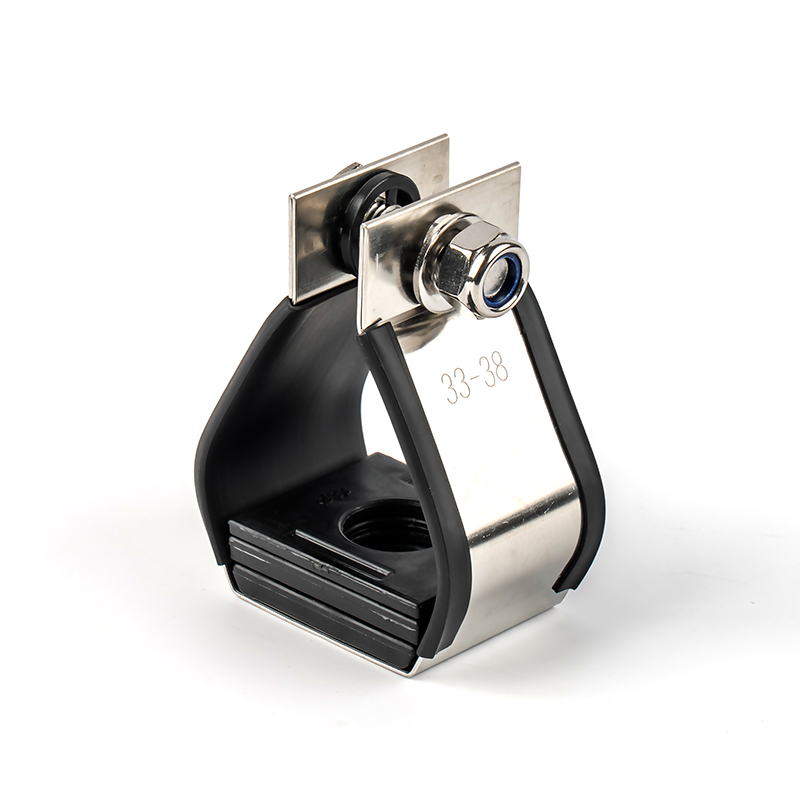
The single cable Cleats made of 316 stainless stee...
View more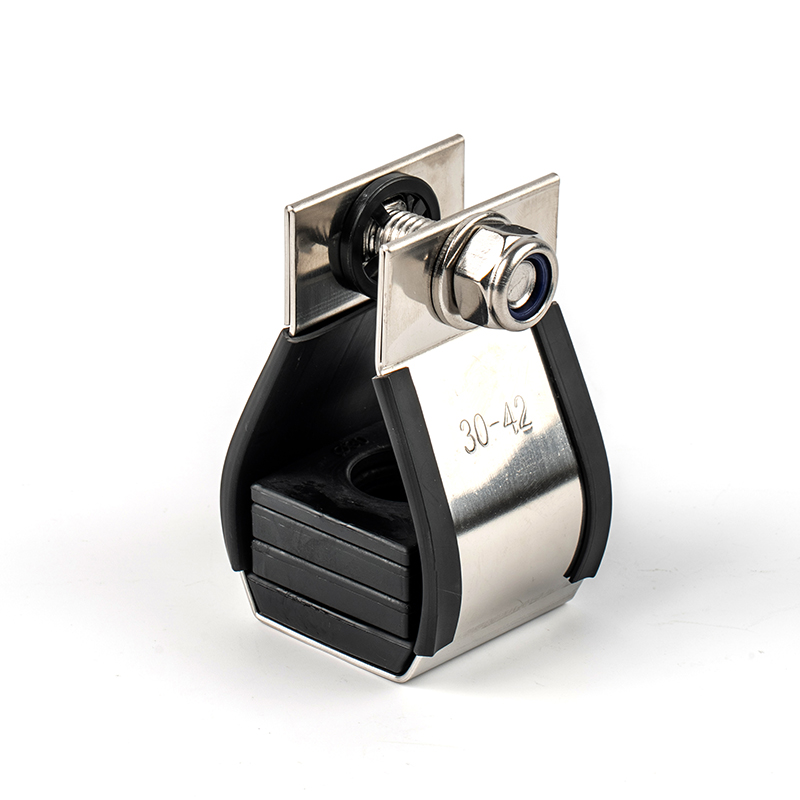
Manufactured from high-grade 316 stainless steel, ...
View more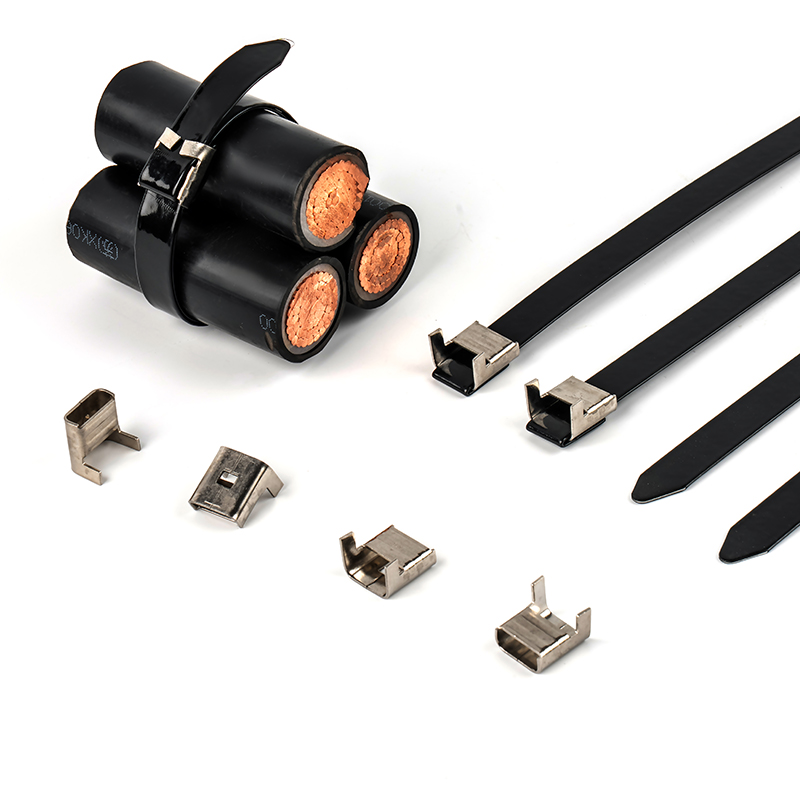
Brand Name: FengfanApproved Certificate: DNV &...
View moreContent
A strap rarely breaks in the middle. On cable trays, poles and pipe runs, the failure almost always happens at the buckle or at the crimp that holds it.
That is the first thing worth knowing about any strap with metal buckle: the band decides corrosion resistance and edge safety, but the buckle decides working strength and installation speed. Buyers who compare only band width and loop tensile often get a surprise at commissioning, when a tensioning tool that does not match the buckle leaves a tail that creeps under vibration.
The practical order of checks is therefore buckle style first, band material second, then the four numbers that must line up before you place a purchase order: width, thickness, load and tooling.
Most industrial straps use one of five locking actions. They are not interchangeable, and the cheapest buckle per piece is rarely the cheapest per installed joint once labour and rework are counted.
| Buckle style | How it locks | Typical duty | What to check |
|---|---|---|---|
| Ball-lock buckle | A captive ball seats against the band inside the housing | Cable tray, riser and pole banding; general bundling | Band thickness must sit inside the grip range; tail must be cut and dressed |
| Ladder or tooth-lock | Teeth or slots on the band index into the buckle body | Larger bundles, semi-permanent runs | Grip force drops sharply if band and buckle widths differ |
| Screw-drive (worm) | A screw draws the band through a housing | Ducting, hoses, light clamping | Slow to install; stainless threads can gall without lubrication |
| Cam or over-centre | A lever cams down onto the band | Joints that need re-tensioning during service | A poorly seated cam can release under vibration |
| Pin buckle with spring bar | A pin passes through punched holes in the strap | Light goods straps, tags, wrist straps | Not a structural fixing; punched holes tear at low load |
For cable and pipe work, the ball-lock family carries most of the volume because it is fast, one-piece and tolerant of field handling. The trade-off is that it is a permanent joint: once crimped, it is cut off, not opened.
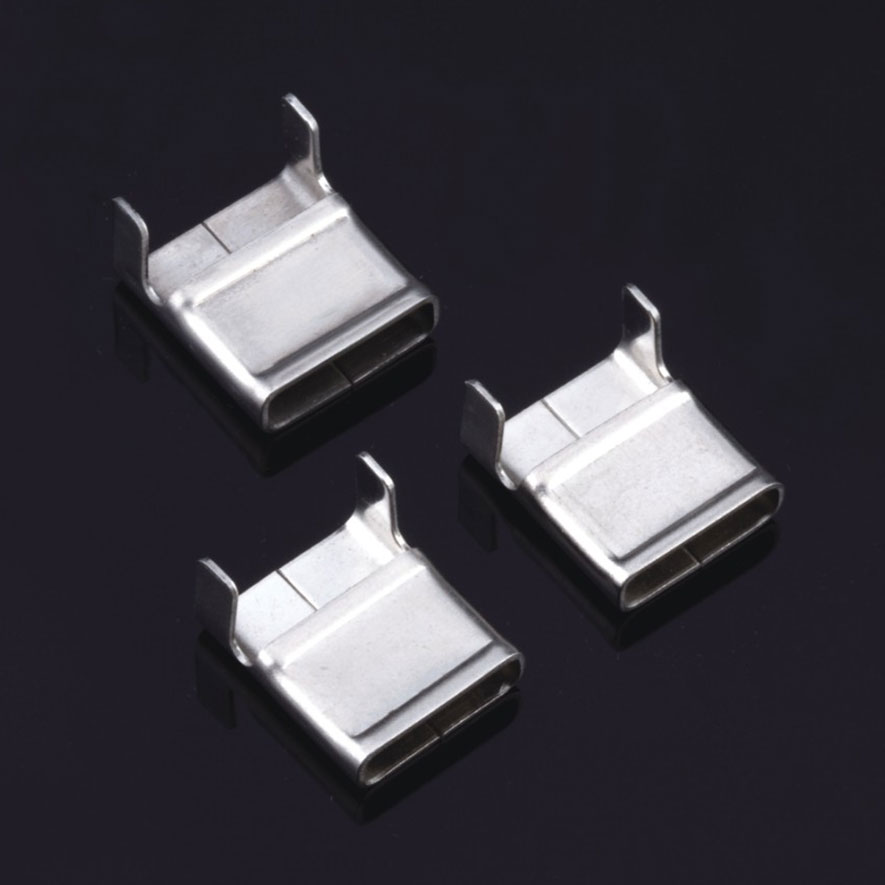 Stainless Steel Strapping Buckles, Multiple SeriesSeries BKL, BKG, BKLG, BKW, BKO and BKF buckles in 201, 304 or 316 stainless steel, with sizes matched to band width and thickness.View Product →
Buckle series differ mainly in housing geometry and the band thickness they accept, so the series number matters more than the nominal width when you are matching an existing installation.
A stainless band with a stainless buckle is only as good as the grade you choose. Grade 304 handles inland, indoor and most industrial atmospheres. Grade 316, with molybdenum in the alloy, is the sensible default for coastal sites, ports, offshore platforms and anywhere chlorides accumulate on the surface.
Coating is a separate decision from grade, and it is often misunderstood. Polyester, PVC and PPA coatings do three things: they remove the sharp stainless edge from contact with cable jackets, they damp minor abrasion against vibration, and they add a colour code for circuits or inspection rounds. They do not turn a 304 band into a 316 band, and the cut edge of any coated band is still bare metal.
Two corrosion traps are worth flagging at the design stage. First, stainless band against an aluminium tray or ladder creates a galvanic couple; an insulating coating or a plastic saddle breaks the path. Second, coating thickness eats into the buckle grip range, so a heavily coated band may not seat properly in a buckle sized for bare band.
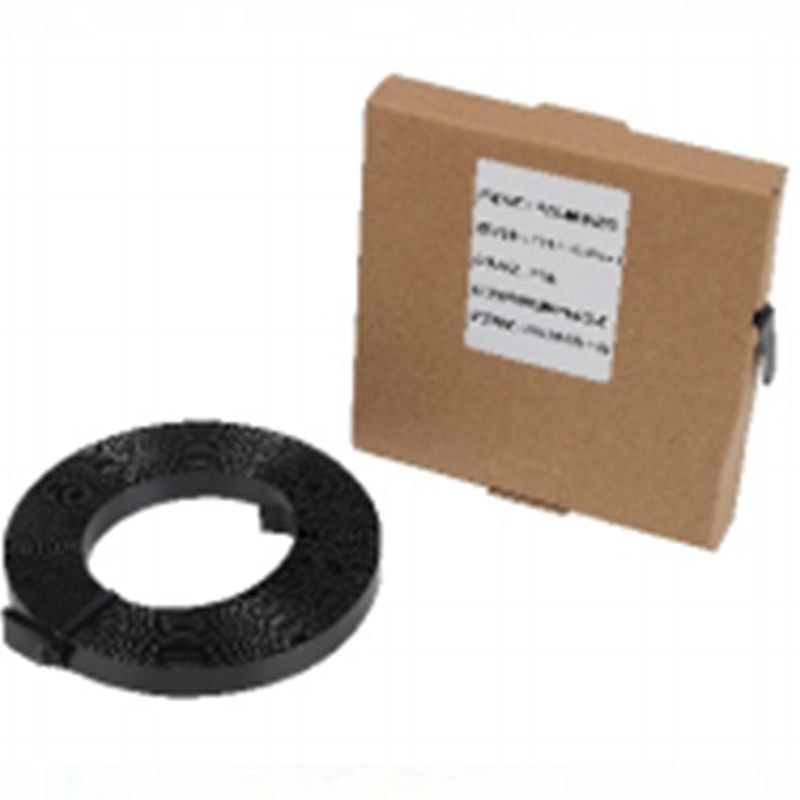 MPSP Polyester-Coated Stainless Steel Strapping BandType 304 or 316 stainless band with low-smoke, halogen-free coating for edge protection and dissimilar-metal corrosion isolation; matches BKL, BKG and BKO buckles.View Product →
Almost every field complaint about a strap with metal buckle traces back to a mismatch that was visible on the datasheet. Confirm these four items in order.
Before a full release, pull-test a sample from each production lot and, for coastal or offshore work, run a salt-spray check on finished joints rather than on flat band only. The joint, not the raw material, is what sits in the atmosphere for twenty years. Our guide to choosing stainless steel cable ties covers the same tolerance logic for tie-based fixings.
Plastic ties are cheaper, faster and perfectly adequate indoors. Metal wins where the environment removes plastic from the argument: UV-exposed rooftop and mast work, high-temperature areas near engines or process heat, long spans carrying their own weight, sharp tray edges, and locations where fire performance or chemical exposure rules out nylon.
Vibration is the quieter advantage. Nylon creeps under sustained load and loses tension over years; a correctly crimped stainless joint does not. That is why rail, port machinery, marine and power generation projects standardise on metal banding for permanent runs.
The costs are real, though, and worth pricing honestly: higher unit cost, dedicated tooling, and a cut tail that must be dressed or capped wherever hands or cables pass. Releasable and coated variants solve most of that, and the coated ball-lock versions let you keep the metal joint while protecting cable jackets underneath. You can review the wider cable tie and strapping range to see how bands, buckles and tools are grouped by joint type.
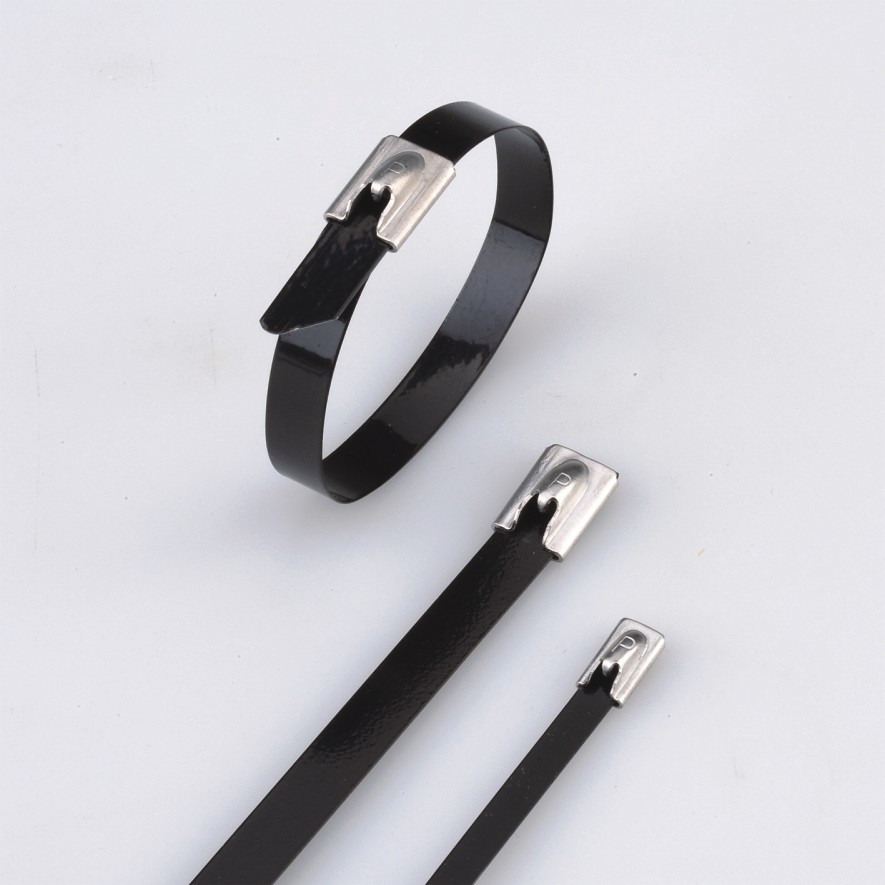 Polyester-Coated Stainless Steel Ball-Lock Cable TiesBlack 304/316 stainless ties with metallic ball-lock buckle and polyester or nylon coating protect cable jackets; the ball-lock joint is permanent once installed.View Product →
Ball-lock and ladder joints are permanent: they are cut off. Cam, screw-drive and pin buckles can be reopened, and releasable stainless ties offer a middle ground for joints that need periodic access.
Choose 316 wherever salt, chlorine or industrial washdown is present. For dry indoor cable management, 304 is normally sufficient and costs less.
Use at least 3:1 against loop tensile for static cable support, 4:1 or more for vibration, dynamic loads or anything above people and traffic. Where local codes specify a factor, the code wins.
No. Stainless banding needs a tensioner and a crimping tool matched to the buckle series; a nylon tie tool will not develop enough tension and cannot form the joint.
For direct contact with cable jackets, yes. Coating protects against burrs and abrasion. For clamping to steel structures, uncoated band gives a stronger joint per unit thickness.
The single cable Cleats made of 316 stainless steel is used for cable management. It is corrosion-resistant, high-temperature resistant and meets international standards. It is suitable for various ha...
See Detail
Manufactured from high-grade 316 stainless steel, this cable management system is specifically designed for secure cable retention in power generation, petrochemical, marine, offshore platforms, and c...
See Detail
Brand Name: FengfanApproved Certificate: DNV & ABS.Product Description: Cable Fixing Band and ClipsThe Lower Cost Alternative to Cable Cleats Product Benefits- Low profile finish- 316 grade stain...
See DetailMobile: +86-136 7685 3958
Email: lihai.fan@zjffdl.com
Mobile: +86-188 57530390
Email: alan.huang@zjffdl.com
No. 1116 Yasha Ave, Cao’e Street, Shangyu District, Shaoxing City, Zhejiang, China, 312300


+86-0575-8215 2808
/8200 8688/8239 2526

+86-0575-8215 2066
Copyright ©Zhejiang Fengfan Cable Fittings Co.,Ltd.
