


 English
 中文简体
中文简体
+86-0575-8215 2808
/8200 8688/8239 2526
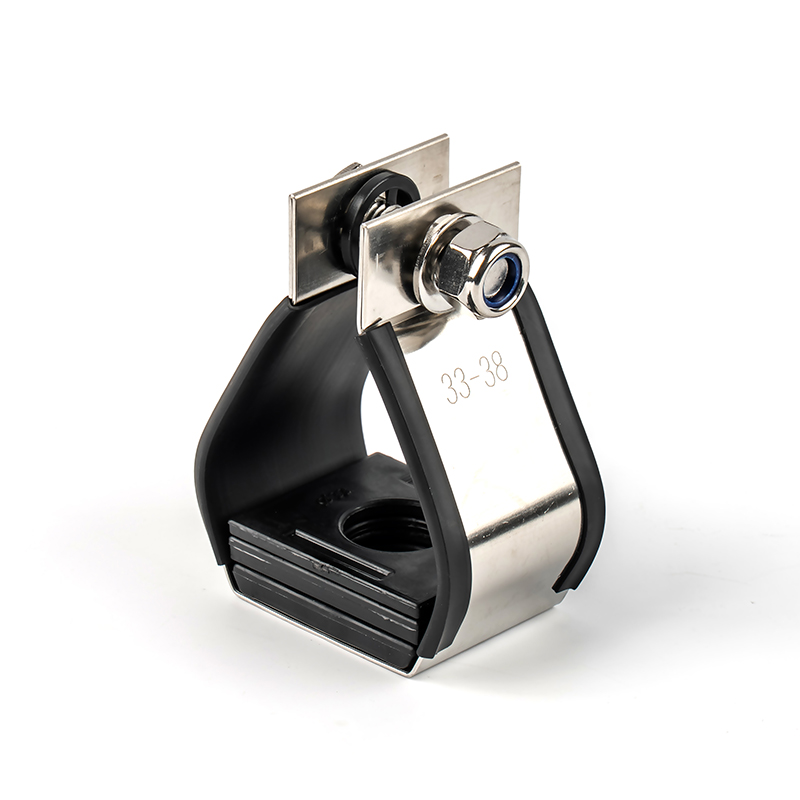
The single cable Cleats made of 316 stainless stee...
View more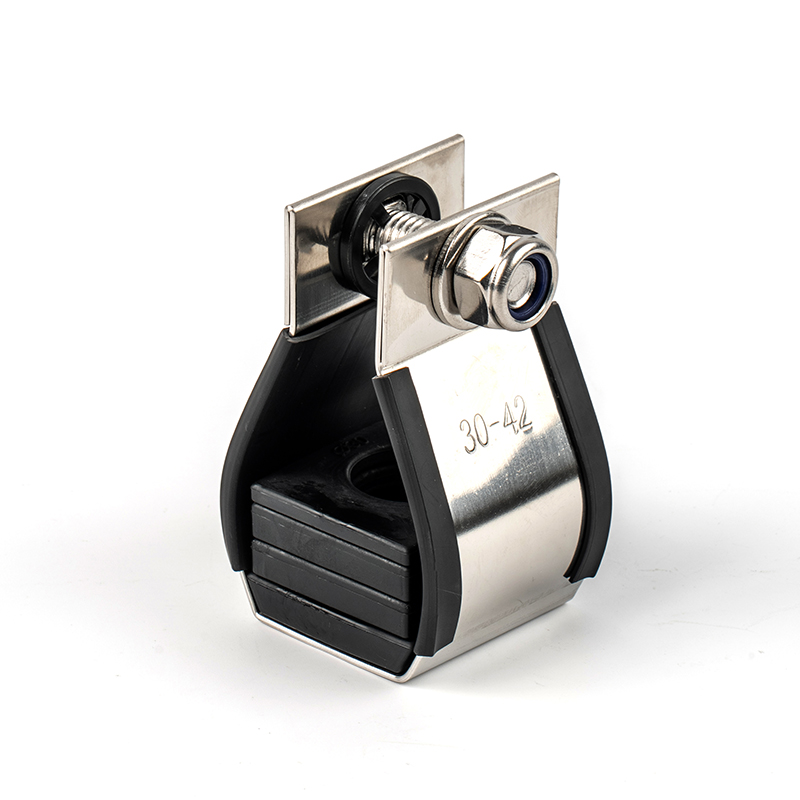
Manufactured from high-grade 316 stainless steel, ...
View more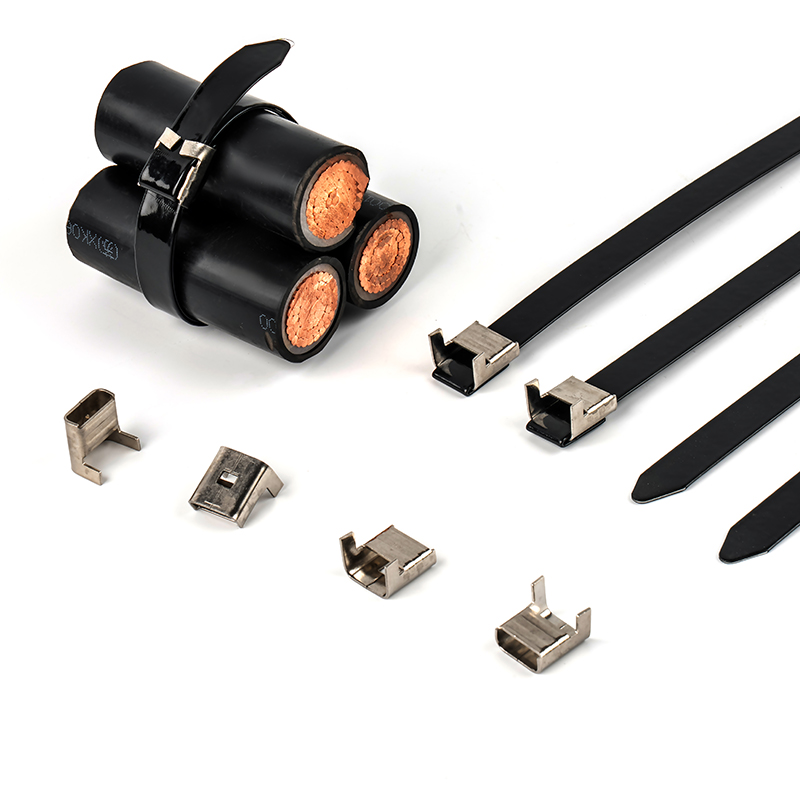
Brand Name: FengfanApproved Certificate: DNV &...
View moreContent
After two typhoon seasons on an offshore platform, the maintenance crew could not make out the cable numbers printed on adhesive labels. The labels had peeled, faded, and trapped salt moisture against the cable jacket. Replacing them with stainless steel cable tags solved the corrosion problem, but it also raised a second question: how should the tags be labeled so they stay readable for the life of the cable? The answer depends on four decisions: material grade, marking method, tag size, and fixing method. Get those four right, and a stainless steel tag can outlast the cable it identifies.
Stainless steel cable tags are the most reliable option for permanent identification in industrial environments. They resist ultraviolet exposure, salt water, oils, solvents, and temperatures well above the service limit of nylon or vinyl markers. They do not shrink, soften, or become brittle, which is why shipyards, offshore projects, power plants, petrochemical facilities, rail systems, and data centers use them for circuit numbers, valve tags, equipment IDs, and safety notices.
Because the tag's edge quality affects both safety and readability, factory-produced stainless steel tags with deburred edges are less likely to cut a cable tie or snag a gloved hand during installation.
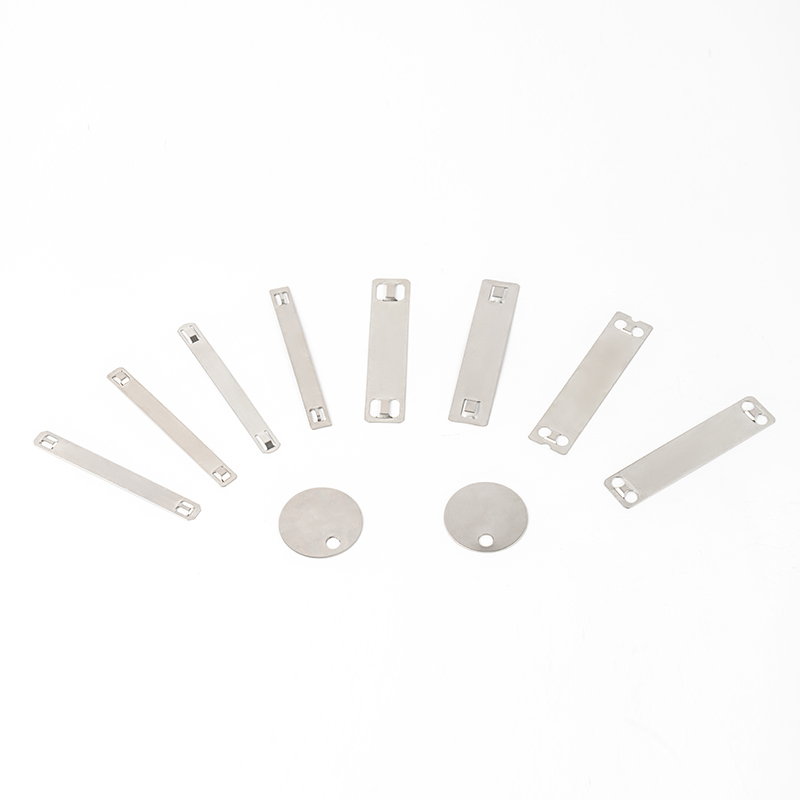 Stainless Steel Tags Suppliers, Company - Zhejiang Fengfan Cable Fittings Co.,LtZhejiang Fengfan Cable Fittings Co.,Ltd is China OEM/ODM Stainless Steel Tags suppliers and company, Professional wholesale Stainless Ste...View Product →
Most stainless steel cable tags are made from 304 or 316 stainless steel. Type 304 is economical and performs well indoors and in most outdoor locations. Type 316 adds molybdenum, which improves resistance to chloride attack. Coastal air, de-icing salts, and seawater make 316 the safer choice. In a marine environment, 304 may develop surface pitting within a few years, while 316 continues to look clean.
| Property | 304 Stainless Steel | 316 Stainless Steel |
|---|---|---|
| Chromium | 18% | 16–18% |
| Nickel | 8–10.5% | 10–14% |
| Molybdenum | None | 2–3% |
| Chloride resistance | Good for inland use | Superior for coastal and offshore use |
| Relative cost | Lower | Higher |
Surface finish also matters. Uncoated tags are suitable for high-temperature or clean-room applications. Polyester, PVC, and PPA coatings add corrosion protection and allow color coding, but they reduce the maximum temperature rating. If the tag will be engraved or laser marked, confirm that the coating will not peel around the mark.
Labeling a stainless steel cable tag is not the same as writing on paper. A permanent marker or adhesive label will not survive the first oil wipe. Use one of four proven methods: embossing, stamping, laser engraving, or chemical etching. The table below compares them for typical tagging jobs.
| Method | Readability | Durability | Best For | Relative Cost |
|---|---|---|---|---|
| Embossing | Large characters, good contrast | Very high | Valve tags, asset numbers | Low at volume |
| Stamping | Reliable indentations | Very high | Serial numbers | Moderate |
| Laser engraving | Fine detail, high contrast | High | Complex graphics, QR codes | Moderate to high |
| Chemical etching | Uniform depth | High | Logos, multi-line tags | High setup for short runs |
For cable groups that are difficult to reach, a pre-marked stainless steel easy-read marker can improve readability because the factory-applied marking keeps consistent contrast across the whole batch.
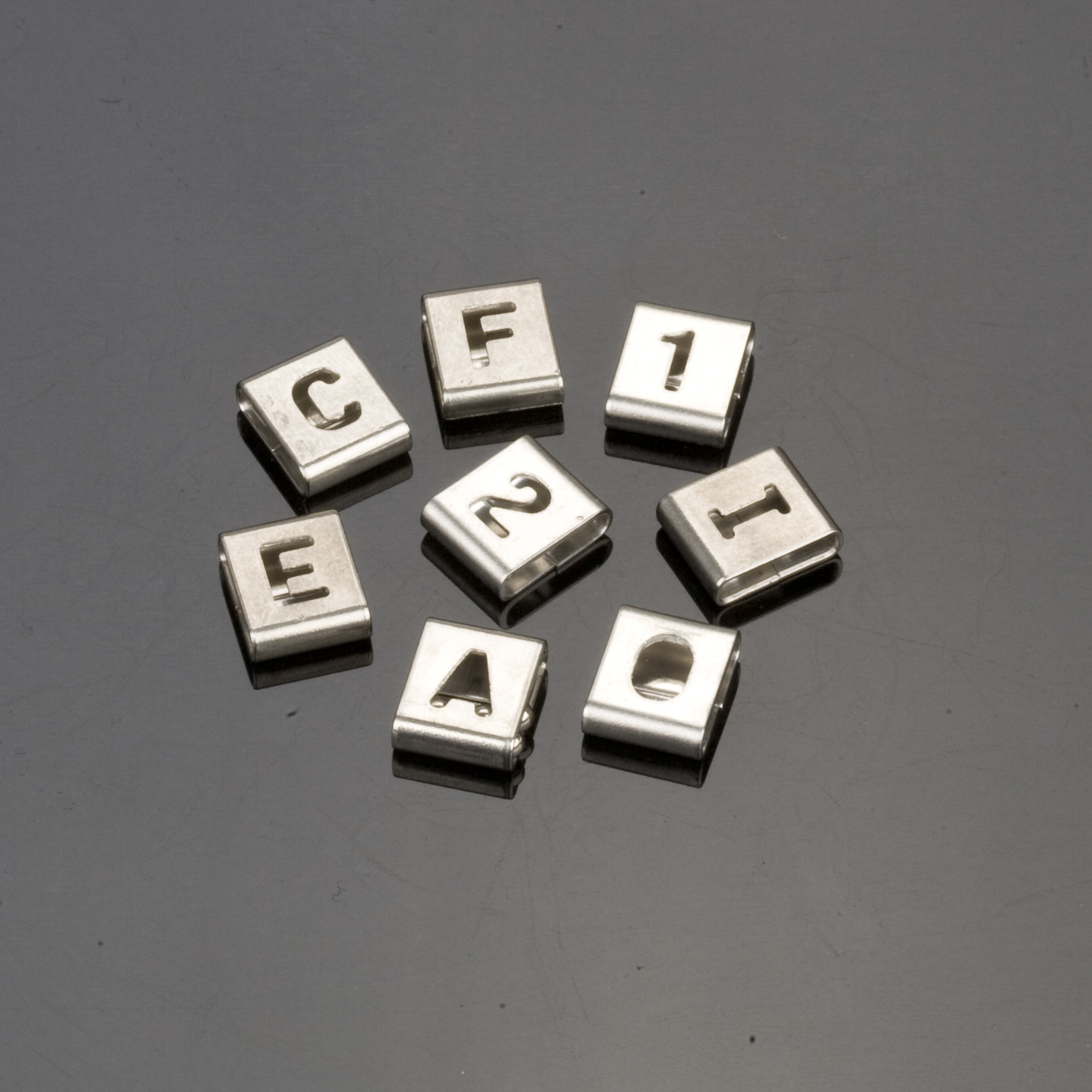 Stainless Steel Easy Read Markers Suppliers, Company - Zhejiang Fengfan Cable FiZhejiang Fengfan Cable Fittings Co.,Ltd is China OEM/ODM Stainless Steel Easy Read Markers suppliers and company, Professional wholesale ...View Product →
Approximate comparison only; actual cost depends on quantity and setup.
Tag size should be matched to the character count and the available space. Common sizes include 9.5 x 89 mm and 19 x 89 mm. A narrow tag suits one line of small text; a wider tag allows two lines or larger characters. Thickness typically ranges from 0.5 mm to 1.0 mm. Thin tags are easier to bend around small cables but deform if over-tightened. Thick tags stay flat but cost more and are harder to emboss.
A single slot is enough for a looped cable tie. Two slots keep the tag parallel to the cable. A round hole can be used with a lanyard or screw, but a slot is more common with steel banding and cable ties.
Cable ties are the most common fixing method. Nylon ties are fast and cost-effective indoors. Stainless steel ties are required when the tag will be exposed to heat, chemicals, or salt water. Ball-lock ties grip quickly; ladder-style ties can be tensioned and cut close for a lower profile. For commissioning work where circuits are frequently reassigned, releasable uncoated stainless steel ties allow the tie to be opened without damaging the tag. To compare lock styles and coatings before ordering, see our guide to choosing stainless steel cable ties.
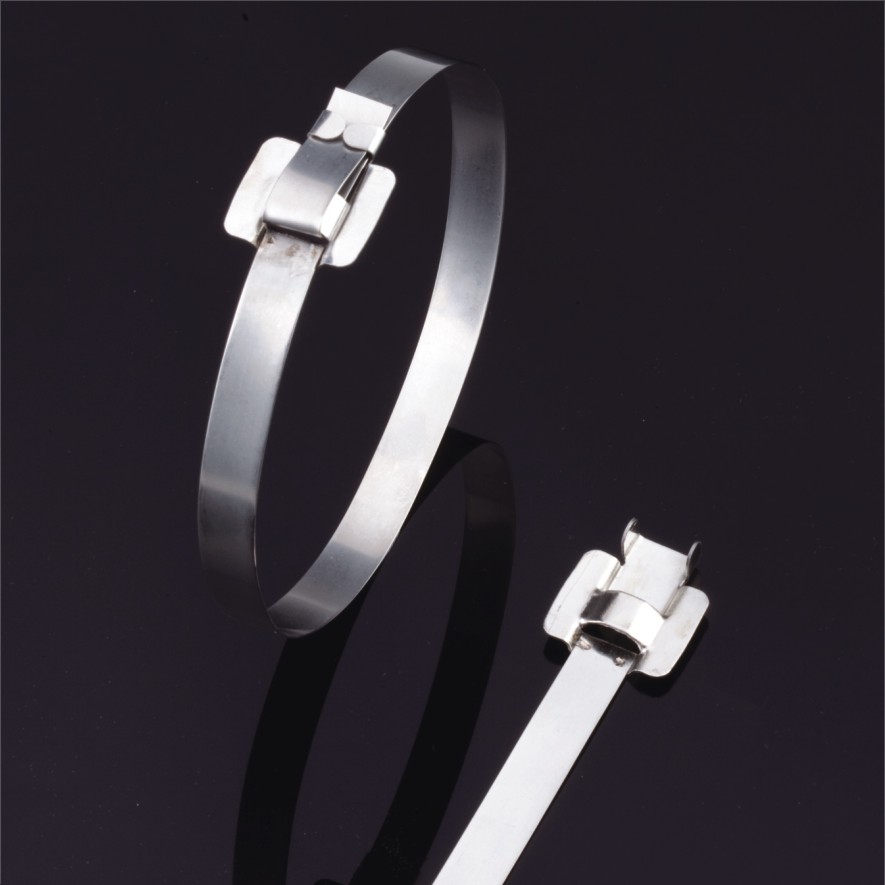 Stainless Steel Cable Ties- Releasable Uncoated Ties Suppliers, Company - ZhejiaZhejiang Fengfan Cable Fittings Co.,Ltd is China OEM/ODM Stainless Steel Cable Ties- Releasable Uncoated Ties suppliers and company, Prof...View Product →
Never place a stainless steel tag directly against an aluminum sheath or a different metal without isolation. Galvanic corrosion can develop when dissimilar metals touch in a wet environment. Use a shrink sleeve or rubber pad if the tag will contact a cable with a metallic armor or sheath.
Before ordering, ask the supplier for a pre-production sample. Check the sharpness of the edges, the depth of the marking, and the fit of a sample tie through the slot. A good tag should not have burrs that can cut cable insulation or gloves. Material certificates should be traceable to EN 10088 or ASTM A240 if the application is safety-critical.
A manufacturer that produces both tags and stainless steel cable ties can simplify sourcing, because slot dimensions and tie width are designed together.
Stainless steel tags need little maintenance, but they are not maintenance-free. Wipe off salt film with water and a mild detergent. Check that cable ties are still tight; looseness causes vibration and wear. Clean engraved or etched tags with a soft brush to remove dirt from the recesses. Replace tags if the material has pitted or the marking has become unreadable.
No. Permanent marker ink fades, smears, and is removed by solvents. Use embossing, stamping, laser engraving, or chemical etching for a permanent mark.
316 stainless steel is preferred because the molybdenum content resists chloride pitting in salt water. Use coated tags if the environment also contains aggressive chemicals.
0.5 mm tags are lighter and easier to mark; 1.0 mm tags resist bending and are better for large cable bundles and rough service. For most industrial cable labeling, 0.8 mm offers a good balance.
Yes, if they are attached with releasable stainless steel ties and the marking is still readable. However, laser-engraved or stamped identifiers will not change, so reuse is practical only for temporary or repositionable tags.
Labeling stainless steel cable tags is a procurement decision, not an afterthought. Choose the correct alloy for the environment, select a marking method that will remain readable, size the tag and slot to the cable and tie, and use a fastening system that matches the maintenance plan. When those four decisions are made together, a stainless steel cable tag can provide decades of legible identification.
The single cable Cleats made of 316 stainless steel is used for cable management. It is corrosion-resistant, high-temperature resistant and meets international standards. It is suitable for various ha...
See Detail
Manufactured from high-grade 316 stainless steel, this cable management system is specifically designed for secure cable retention in power generation, petrochemical, marine, offshore platforms, and c...
See Detail
Brand Name: FengfanApproved Certificate: DNV & ABS.Product Description: Cable Fixing Band and ClipsThe Lower Cost Alternative to Cable Cleats Product Benefits- Low profile finish- 316 grade stain...
See DetailMobile: +86-136 7685 3958
Email: lihai.fan@zjffdl.com
Mobile: +86-188 57530390
Email: alan.huang@zjffdl.com
No. 1116 Yasha Ave, Cao’e Street, Shangyu District, Shaoxing City, Zhejiang, China, 312300


+86-0575-8215 2808
/8200 8688/8239 2526

+86-0575-8215 2066
Copyright ©Zhejiang Fengfan Cable Fittings Co.,Ltd.
