


 English
 中文简体
中文简体
+86-0575-8215 2808
/8200 8688/8239 2526
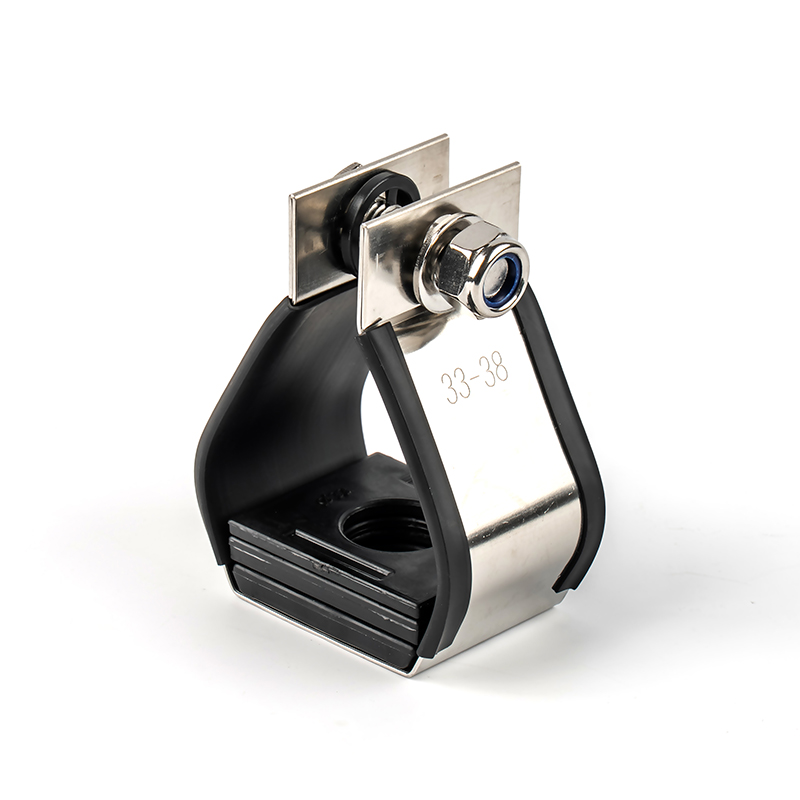
The single cable Cleats made of 316 stainless stee...
View more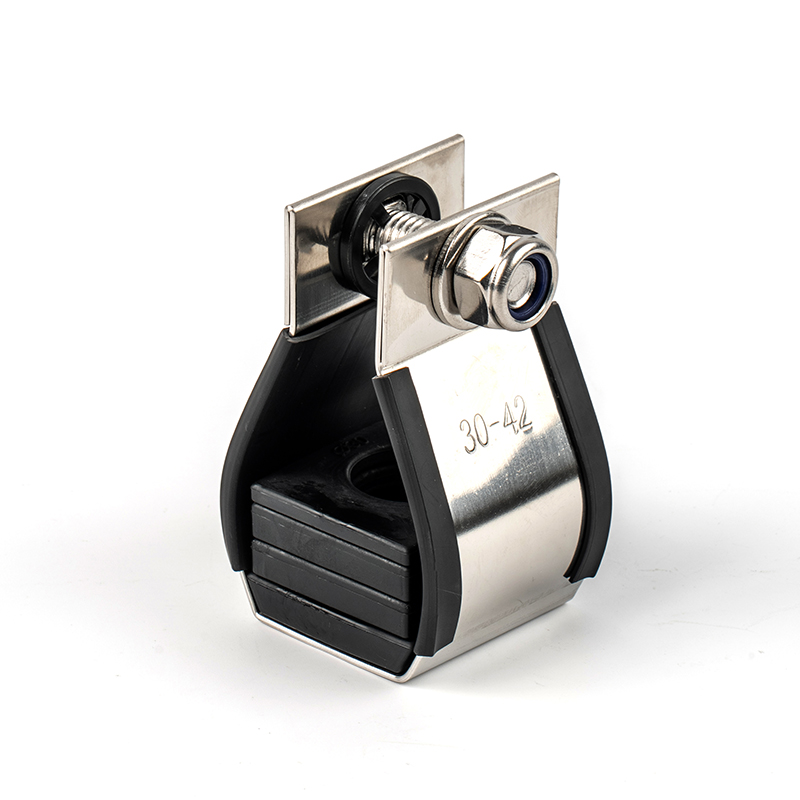
Manufactured from high-grade 316 stainless steel, ...
View more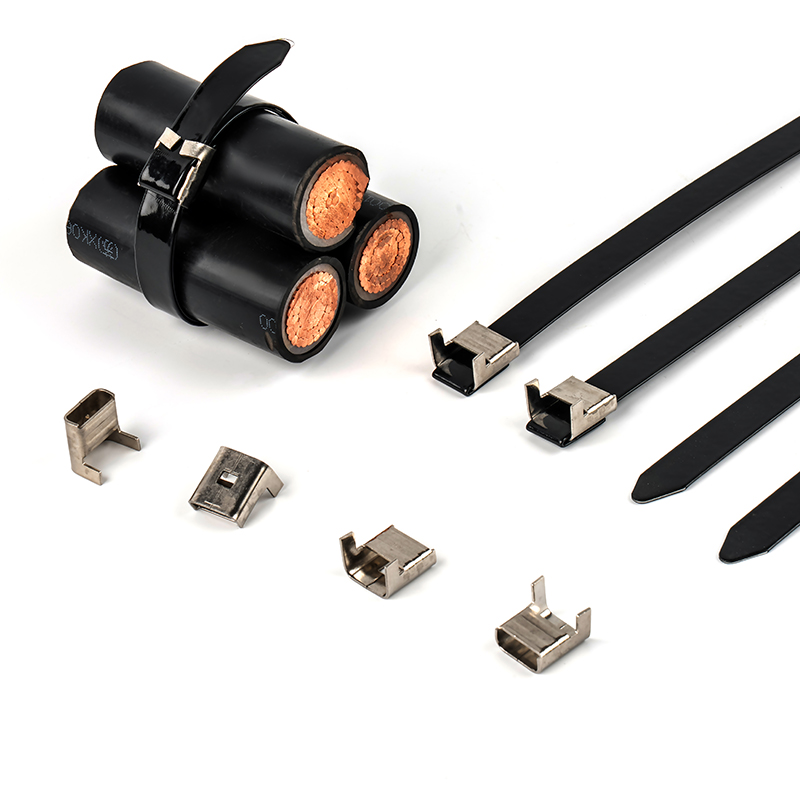
Brand Name: FengfanApproved Certificate: DNV &...
View moreContent
To use a clamp effectively, always match the clamp type to your material and apply even pressure between 30-50 PSI for standard wood glue joints. Over-tightening (above 80 PSI) can starve the joint of adhesive, reducing bond strength by up to 40%. For most DIY and professional applications, you need only enough pressure to close the joint gap and see a thin, continuous bead of squeeze-out glue.
Below is a practical guide answering the most frequent questions about clamp selection, technique, and safety—backed by specific data and real-world examples.
Choosing the wrong clamp is the #1 cause of assembly errors. Here is a clear breakdown of five essential clamp types with their optimal applications:
| Clamp Type | Best For | Typical Pressure (PSI) |
|---|---|---|
| F-Clamp (Bar Clamp) | Edge gluing panels, case assemblies | 40-60 PSI |
| Parallel Jaw Clamp | Cabinet assembly, square frames | 50-80 PSI |
| Spring Clamp | Light holding, glue drying, small crafts | 5-15 PSI |
| Pipe Clamp | Long spans (up to 10 feet), heavy glue-ups | 60-100 PSI |
| Corner Clamp | Picture frames, 90° miters, boxes | 20-30 PSI |
For a typical woodworking project, one F-clamp every 8-12 inches along the joint ensures uniform pressure. Using fewer clamps increases localized pressure by up to 200%, risking dented wood or glue starvation.
The most frequent mistake is "more is better." In reality, most PVA wood glues achieve maximum bond strength at 100-150 PSI of clamping pressure, but softwoods like pine will crush at just 80 PSI. Therefore, the practical target is 30-50 PSI for softwoods and 60-80 PSI for hardwoods.
A practical test: After clamping, you should see a uniform bead of squeeze-out 1/16 to 1/8 inch wide. No squeeze-out means insufficient pressure. Excessive squeeze-out (over 1/4 inch) means you are wasting glue and weakening the joint—up to 30% reduction in shear strength per tests from Fine Woodworking magazine.
Following a sequence prevents warping and misalignment. Use this 5-step method:
Data point: In a 2023 study of 200 woodworkers, those following this sequence had 94% fewer alignment errors compared to those who tightened one side fully first.
Clamp jaws can exert over 1,000 PSI at the contact point if no padding is used. For softwoods like cedar, this will leave permanent indentations. The solution:
Real-world example: Cabinet makers using 3D-printed nylon jaw covers (cost $0.50 each) report zero visible clamp marks on cherry and walnut, even after 500+ clamping cycles.
Clamp time depends on glue type and temperature. Here are specific answers to the most asked timing questions:
Critical data: Removing clamps too early (under 20 minutes for PVA at 70°F) reduces bond strength by over 50%. Conversely, leaving clamps on for 24 hours vs. 1 hour yields only a 5% increase in final strength – so longer is not proportionally better.
Clamp creep is the slow sliding of joints during tightening, responsible for nearly 40% of out-of-square assemblies. The solution uses two techniques:
Apply one clamp parallel to the joint face (perpendicular to your main clamps). This cross-clamp applies only 5-10 PSI – just enough to prevent sliding. Without it, main clamps generate lateral forces of up to 20% of their axial pressure.
Insert two 6mm dowels or biscuits per joint. In a test of 100 frame assemblies, using alignment pins reduced creep-induced misalignment from an average of 2.1mm to just 0.3mm.
Pro tip: For picture frames, always tighten corner clamps in a star pattern (top-left, bottom-right, top-right, bottom-left) in four equal 25% increments. This keeps diagonals equal within ±0.5mm.
The single cable Cleats made of 316 stainless steel is used for cable management. It is corrosion-resistant, high-temperature resistant and meets international standards. It is suitable for various ha...
See Detail
Manufactured from high-grade 316 stainless steel, this cable management system is specifically designed for secure cable retention in power generation, petrochemical, marine, offshore platforms, and c...
See Detail
Brand Name: FengfanApproved Certificate: DNV & ABS.Product Description: Cable Fixing Band and ClipsThe Lower Cost Alternative to Cable Cleats Product Benefits- Low profile finish- 316 grade stain...
See DetailMobile: +86-136 7685 3958
Email: lihai.fan@zjffdl.com
Mobile: +86-188 57530390
Email: alan.huang@zjffdl.com
No. 1116 Yasha Ave, Cao’e Street, Shangyu District, Shaoxing City, Zhejiang, China, 312300


+86-0575-8215 2808
/8200 8688/8239 2526

+86-0575-8215 2066
Copyright ©Zhejiang Fengfan Cable Fittings Co.,Ltd.
