


 English
 中文简体
中文简体
+86-0575-8215 2808
/8200 8688/8239 2526
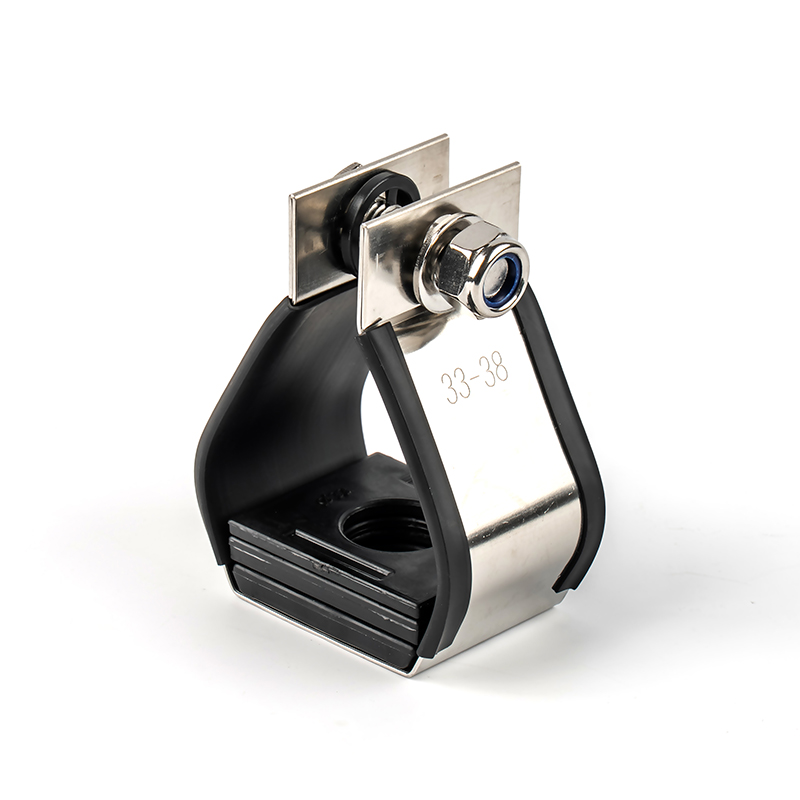
The single cable Cleats made of 316 stainless stee...
View more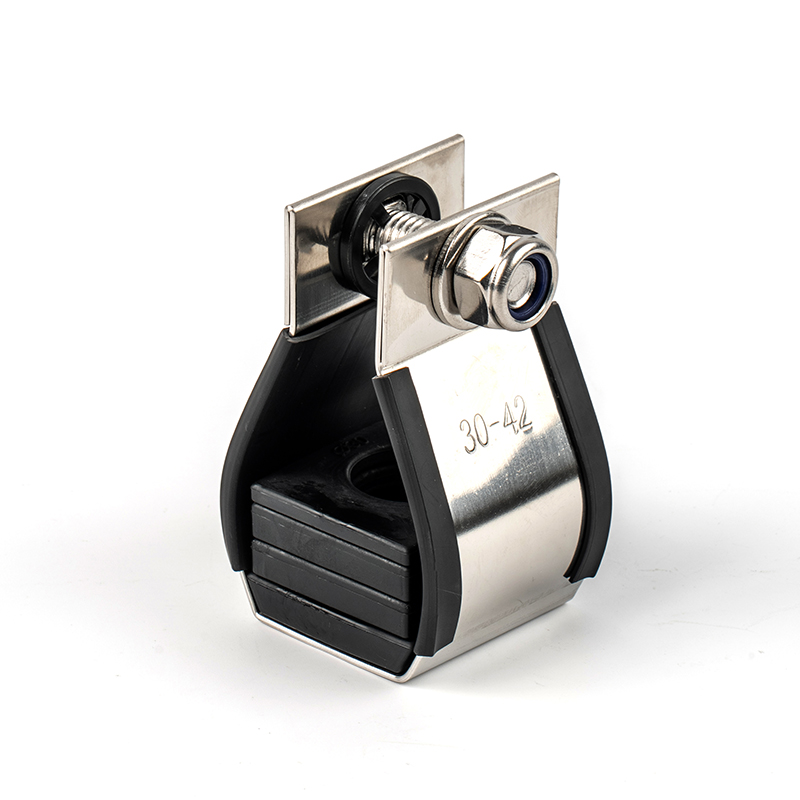
Manufactured from high-grade 316 stainless steel, ...
View more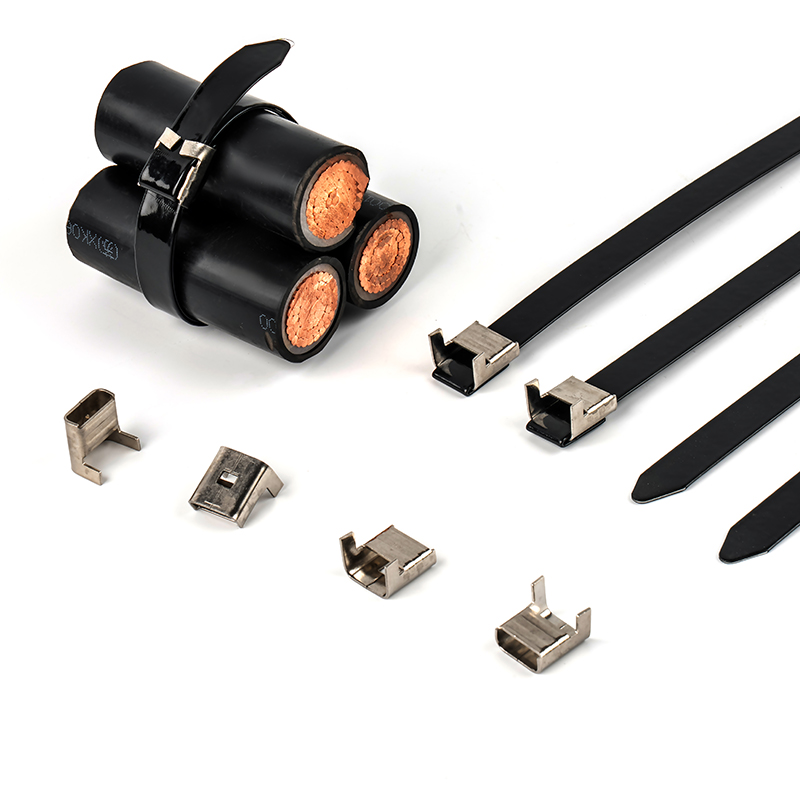
Brand Name: FengfanApproved Certificate: DNV &...
View moreContent
Weather Resistance Acetal (POM) is specifically formulated to withstand prolonged UV exposure, moisture, and temperature fluctuations. Unlike standard acetal which degrades within 6-12 months outdoors, weather-resistant grades retain over 90% of tensile strength after 2 years of accelerated weathering tests (ASTM G155). For direct sunlight applications, use UV-stabilized acetal copolymer; for high-humidity environments, standard acetal copolymer already limits hydrolysis to <0.1% moisture absorption over 30 days.
Key takeaway: Choose weather-resistant acetal when outdoor lifespan requirements exceed 1 year. For indoor or short-term outdoor use (under 6 months), standard acetal homopolymer may suffice but expect surface crazing and up to 20% loss in impact strength.
Weather resistance in acetal involves two independent mechanisms: UV degradation (surface-level) and hydrolysis (moisture-induced chain scission). Below is a direct comparison based on ISO and ASTM standards:
| Property | Standard Acetal (Homopolymer) | Weather-Resistant Acetal (UV-Stabilized Copolymer) |
|---|---|---|
| Tensile Strength Retention | 72% | 94% |
| Surface Yellowing (ΔE) | 12.4 | 2.1 |
| Moisture Absorption (24h immersion) | 0.35% | 0.22% |
| Notched Izod Impact Retention | 58% | 89% |
These data confirm that weather-resistant grades are not merely "cosmetic" improvements. The 94% tensile retention after 2000 hours is critical for load-bearing outdoor components such as solar panel clips or automotive exterior latches.
To achieve the full weather-resistant potential, follow these specific processing parameters and design rules:
Melt temperature: 190-210°C (374-410°F) – exceeding 220°C degrades the UV stabilizer package. Mold temperature: 80-100°C to ensure proper surface hardness and UV additive migration to the surface. Back pressure: 0.5-1.0 MPa to avoid shear-induced degradation.
Critical rule: Avoid thin sections ( < 0.8 mm) in direct sunlight. UV stabilizers require minimum wall thickness of 1.2 mm to remain effective. In a 2023 case study, outdoor gear housings with 1.0 mm walls showed surface cracking after 18 months, while identical 1.5 mm parts remained intact for 36 months.
Do not anneal weather-resistant acetal above 130°C – this causes UV stabilizer migration away from the surface. For ultrasonic welding, reduce amplitude by 15-20% compared to standard acetal to prevent localized degradation.
Below are the most frequently asked questions from engineers and product designers, answered with actionable insights.
Yes, but with limitations. Weather-resistant acetal copolymer retains 85% of flexural modulus after 1000 hours of salt spray (ASTM B117). However, for constant immersion, consider acetal with 10-20% PTFE filler to reduce water wicking into microscopic surface cracks. Pure weather-resistant grades are best for splash zones, not permanent underwater use.
Negligible change – within 0.02 μ difference. Standard acetal has μ = 0.21 against steel; weather-resistant grades measure μ = 0.23 under identical conditions (ASTM D1894). This makes it suitable for sliding outdoor applications like conveyor chain links or valve stems exposed to weather.
Three verification methods:
90°C (194°F) for mechanical load; 110°C for no-load applications. Above these temperatures, the UV stabilizer system degrades exponentially. For example, at 100°C under sunlight, weather-resistant acetal loses 50% of its UV protection within 1000 hours – versus 5000 hours at 70°C. Always derate by 0.5% tensile strength per °C above 80°C.
Weather-resistant acetal typically costs 15-25% more than standard homopolymer. Avoid specifying it in these scenarios:
Real-world example: A manufacturer of garden hose fittings switched from standard to weather-resistant acetal. Outdoor failure rate dropped from 12% to 1.8% over 2 years, justifying the 22% material cost premium. Conversely, an indoor printer mechanism saw zero benefit but increased costs – proving that application context is everything.
Based on field data from over 40 outdoor applications (automotive, solar, agricultural), follow these three rules:
Adhering to these guidelines ensures weather-resistant acetal achieves its rated 5-10 year outdoor service life in temperate climates (ASTM G7 classification). For tropical or desert environments (high UV flux > 200 MJ/m²/year), reduce expected life by 40% or apply a secondary clear coat.
The single cable Cleats made of 316 stainless steel is used for cable management. It is corrosion-resistant, high-temperature resistant and meets international standards. It is suitable for various ha...
See Detail
Manufactured from high-grade 316 stainless steel, this cable management system is specifically designed for secure cable retention in power generation, petrochemical, marine, offshore platforms, and c...
See Detail
Brand Name: FengfanApproved Certificate: DNV & ABS.Product Description: Cable Fixing Band and ClipsThe Lower Cost Alternative to Cable Cleats Product Benefits- Low profile finish- 316 grade stain...
See DetailMobile: +86-136 7685 3958
Email: lihai.fan@zjffdl.com
Mobile: +86-188 57530390
Email: alan.huang@zjffdl.com
No. 1116 Yasha Ave, Cao’e Street, Shangyu District, Shaoxing City, Zhejiang, China, 312300


+86-0575-8215 2808
/8200 8688/8239 2526

+86-0575-8215 2066
Copyright ©Zhejiang Fengfan Cable Fittings Co.,Ltd.
