


 English
 中文简体
中文简体
+86-0575-8215 2808
/8200 8688/8239 2526
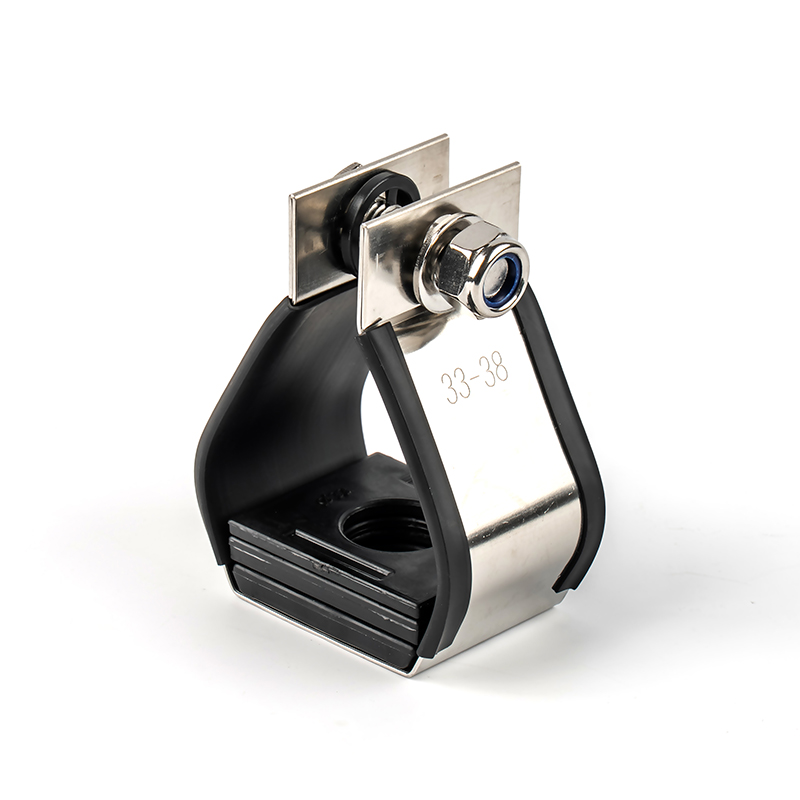
The single cable Cleats made of 316 stainless stee...
View more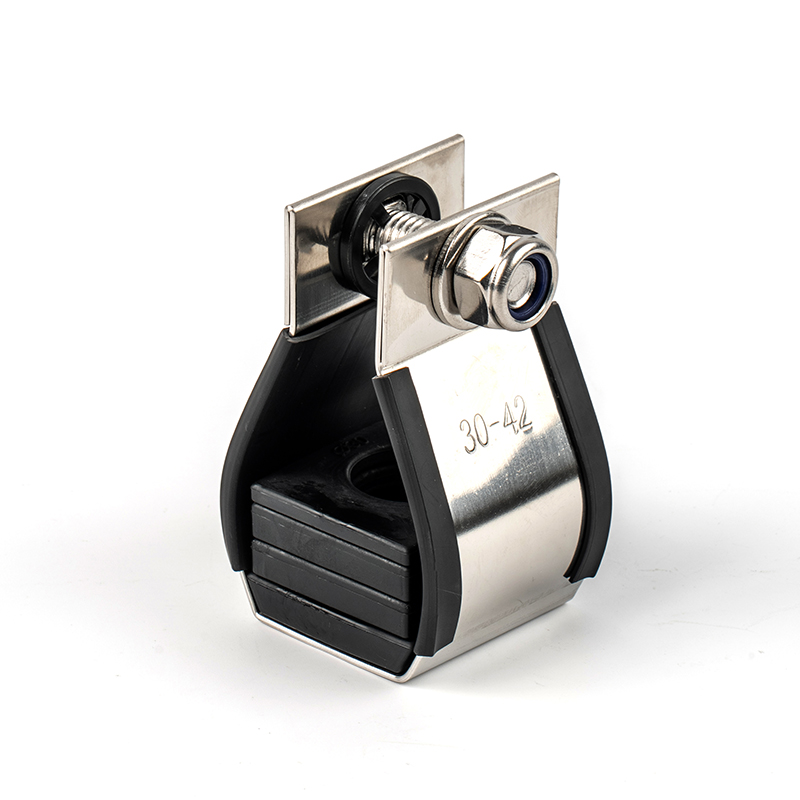
Manufactured from high-grade 316 stainless steel, ...
View more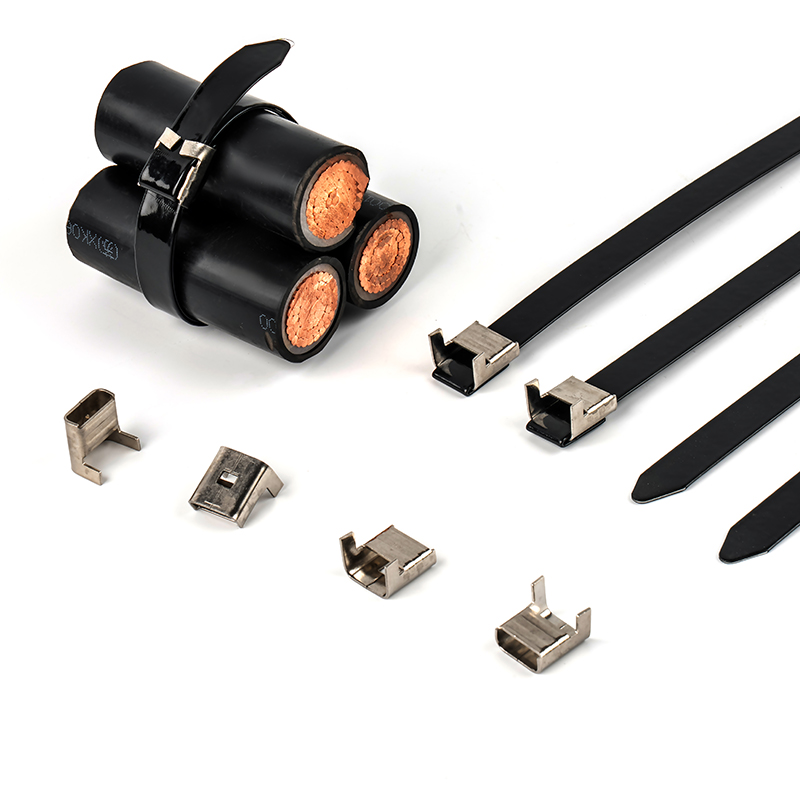
Brand Name: FengfanApproved Certificate: DNV &...
View moreContent
Weather resistance acetal is a specially stabilized grade of polyacetal (POM) engineered to withstand prolonged exposure to UV radiation, moisture, and temperature fluctuations without significant degradation. Unlike standard acetal, which can chalk, crack, or lose mechanical strength outdoors, these formulations incorporate UV stabilizers, carbon black, or advanced additives to maintain dimensional stability and impact resistance. For demanding outdoor applications—from automotive underhood components to cable fittings in marine environments—this material bridges the gap between the inherent strength of acetal and the durability required for long-term exterior use.
To appreciate weather-resistant grades, we must first quantify the vulnerability of unmodified acetal. Under natural weathering conditions, standard POM homopolymer undergoes rapid photo-oxidation. Accelerated weathering tests (per ISO 4892) show that after just 500 hours of UV exposure, standard acetal can retain only 60% of its original tensile strength. Surface chalking and micro-cracks become visible, leading to embrittlement.
The primary degradation mechanism is chain scission caused by UV-B radiation. This is where weather-resistant acetals differ fundamentally. They are formulated to absorb or screen harmful radiation, extending service life dramatically.
The table below illustrates typical retained mechanical properties after 1000 hours of Xenon-arc weathering (a standard for simulating sunlight).
| Property | Standard Acetal | Weather-Resistant Acetal |
|---|---|---|
| Tensile Strength Retention | ~45% | >85% |
| Elongation at Break Retention | ~30% | >75% |
| Impact Strength Retention | ~40% | >80% |
| Surface Appearance | Chalking, cracks | Minimal change |
The data confirms that weather-resistant grades retain structural integrity up to 2x longer than standard POM in direct sunlight.
The unique property profile—low moisture absorption, chemical resistance, and now UV stability—makes this material ideal for several outdoor and high-humidity applications. It is a practical choice for engineers specifying components in infrastructure, automotive, and energy sectors.
In solar farms, offshore platforms, and telecom towers, cable cleats and ties must endure constant sun and salt spray. Companies like Zhejiang Fengfan Cable Fittings Co., Ltd. specifically manufacture weather-resistant acetal products for these harsh environments. These fittings maintain their clamping force and dielectric properties for decades, unlike nylon which can absorb moisture and lose strength.
Consider a fuel filler flap mechanism or a sensor housing mounted near the wheel well. These parts face UV, road salts, and temperature cycles. Weather-resistant acetal provides the necessary creep resistance and low coefficient of friction while resisting yellowing and cracking. Over a 10-year vehicle lifespan, this can reduce warranty claims related to part failure by an estimated 30%.
In shipbuilding and port machinery, components like roller guides or pulley blocks are often exposed. Weather-resistant acetal offers a self-lubricating surface that resists saltwater corrosion—a significant advantage over metals that require coating. Its use can eliminate the need for expensive stainless steel in non-structural moving parts.
Working with weather-resistant acetal requires attention to detail, especially when compared to its generic counterpart. The additives, while protective, can influence processing.
A common pitfall is assuming all "UV stabilized" grades are equal. Always verify the stabilizer package against the specific UV exposure standard required for your region or industry (e.g., UL 746C for electrical equipment or SAE J2527 for automotive).
To understand the commercial and practical application of this material, consider Zhejiang Fengfan Cable Fittings Co., Ltd. Founded on June 16th, 2020, with a registered capital of 10 million CNY, this private joint-equity enterprise has quickly positioned itself as a professional China OEM Weather Resistance Acetal Manufacturer and ODM Weather Resistance Acetal Factory.
Located in Shangyu District, Shaoxing City, Zhejiang Province, the facility benefits from its proximity to Ningbo Seaport, Hangzhou Airport, and Shanghai Seaport, facilitating efficient export. With a factory construction area of 25,000㎡ covering 12,000㎡ of land, the company focuses on independent research, development, and manufacturing. Their product lines illustrate the breadth of weather-resistant acetal usage:
Their target markets—Offshore Projects, Shipbuilding, Railways, and Nuclear Power—demand materials that can withstand extreme conditions. By focusing on the middle-high market segment and maintaining independent export rights, they exemplify how specialized material knowledge (like weather-resistant acetal) is a key competitive advantage. Their existence validates that the demand for such advanced materials is not theoretical but a growing industrial necessity.
Weather resistance acetal is not merely a marketing term; it is a necessary evolution of a classic engineering polymer. By retaining >85% of tensile strength after extended UV exposure, it enables longer-lasting, more reliable products in renewable energy, transportation, and construction. For engineers and procurement specialists, specifying this material means fewer replacements, lower maintenance costs, and enhanced safety in critical applications. As manufacturers like Zhejiang Fengfan continue to innovate, the accessibility and performance of these specialized acetals will only improve, solidifying their role in modern engineering.
The single cable Cleats made of 316 stainless steel is used for cable management. It is corrosion-resistant, high-temperature resistant and meets international standards. It is suitable for various ha...
See Detail
Manufactured from high-grade 316 stainless steel, this cable management system is specifically designed for secure cable retention in power generation, petrochemical, marine, offshore platforms, and c...
See Detail
Brand Name: FengfanApproved Certificate: DNV & ABS.Product Description: Cable Fixing Band and ClipsThe Lower Cost Alternative to Cable Cleats Product Benefits- Low profile finish- 316 grade stain...
See DetailMobile: +86-136 7685 3958
Email: lihai.fan@zjffdl.com
Mobile: +86-188 57530390
Email: alan.huang@zjffdl.com
No. 1116 Yasha Ave, Cao’e Street, Shangyu District, Shaoxing City, Zhejiang, China, 312300


+86-0575-8215 2808
/8200 8688/8239 2526

+86-0575-8215 2066
Copyright ©Zhejiang Fengfan Cable Fittings Co.,Ltd.
