


 English
 中文简体
中文简体
+86-0575-8215 2808
/8200 8688/8239 2526
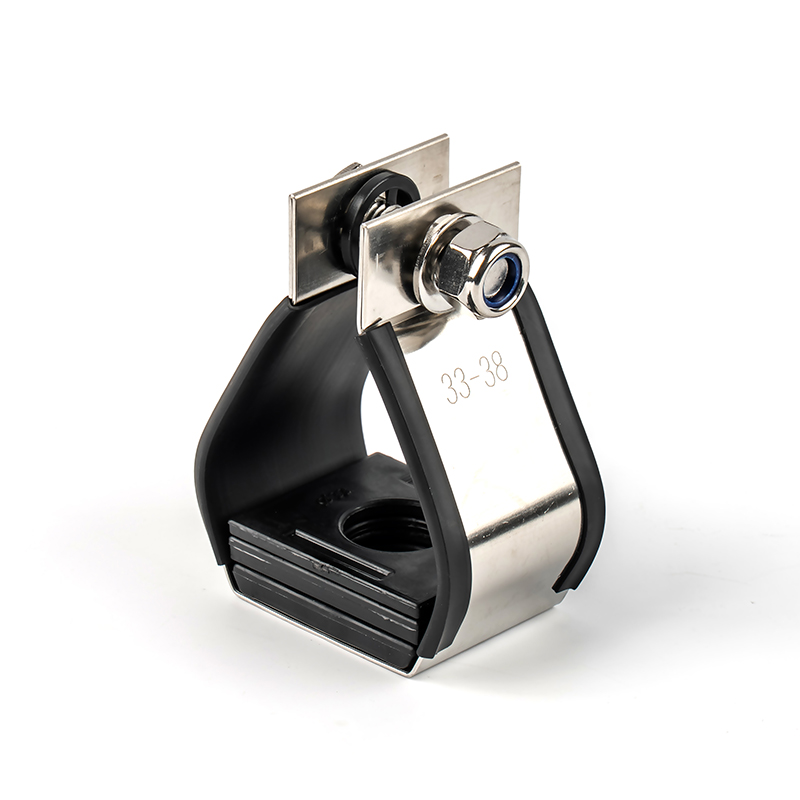
The single cable Cleats made of 316 stainless stee...
View more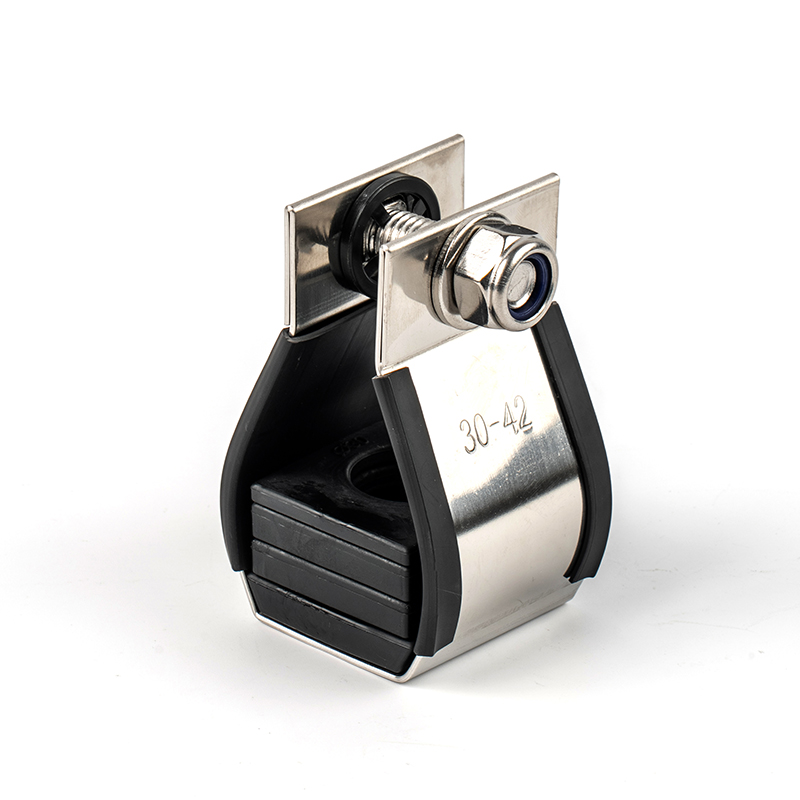
Manufactured from high-grade 316 stainless steel, ...
View more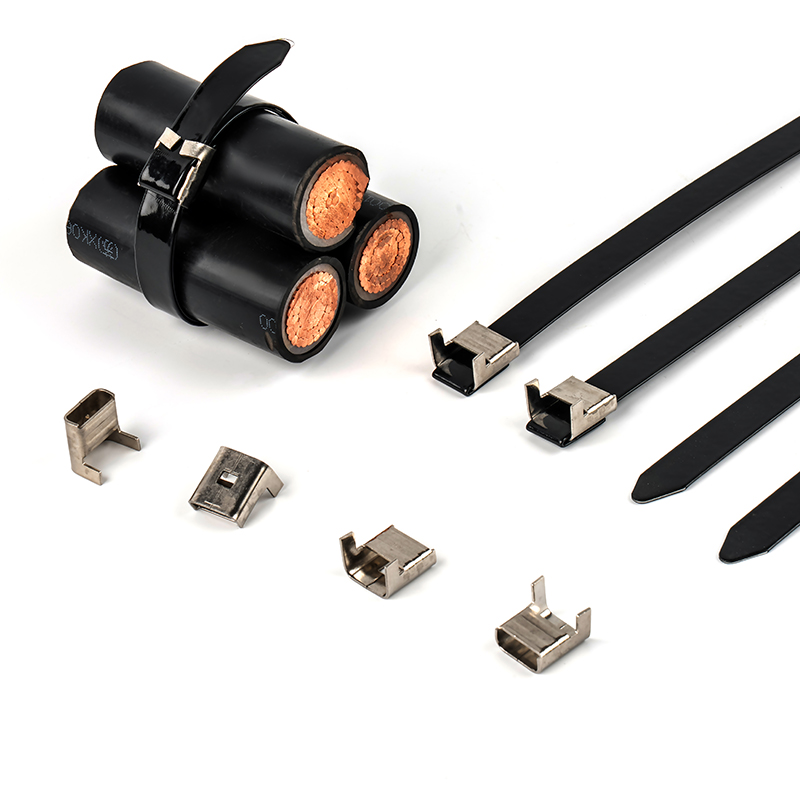
Brand Name: FengfanApproved Certificate: DNV &...
View moreContent
An IP66-rated enclosure is only as good as its weakest entry point. If the cable gland at the bottom has the wrong thread, an incompatible sealing ring, or a body made from a material that cannot handle coastal humidity, moisture will find its way in — and then the whole protection concept fails. Cable glands look like simple fittings, but they perform three critical jobs at once: they secure the cable, seal the opening, and provide strain relief or earthing continuity where needed.
This guide explains how cable glands work, the practical differences between common types and materials, and the selection logic that experienced engineers apply when choosing one for a project. We will also look at the supporting cable accessories around the gland — the cleats, ties, and markers that turn a single entry point into a complete cable management system.
A cable gland is a mechanical device fitted to the entry point where a cable passes through an enclosure, junction box, motor, or piece of equipment. Its purpose is to maintain the integrity of that enclosure while allowing the cable to pass through safely. By tightening the gland, internal components compress around the cable and create both a mechanical hold and a seal.
When the compression nut is turned, the internal taper pushes the sealing ring radially inward. The ring presses against the cable’s outer sheath, closing the gap around it. In armoured cables, this same movement forces the clamping jaws into the armour, creating a strong mechanical anchor and a low-resistance earth path. That is why installing a cable gland correctly matters — an under-tightened gland can let water seep in and offer no strain relief, while an over-tightened one can crush or deform the cable.
Cable glands are classified by thread standard, construction, and application. Choosing the wrong type is one of the most frequent mistakes in cable management projects.
| Gland Type | Key Feature | Typical Use |
|---|---|---|
| Single-seal | Seals only the outer cable sheath | Indoor and general industrial use |
| Double-seal | Seals both the outer sheath and inner layers | Outdoor, wet, and dusty areas |
| Armoured cable gland | Clamps the wire armour and provides earthing | Steel-wire-armoured cables, power distribution |
| Ex d / Ex e flameproof | Certified for explosive atmospheres | Petrochemical, oil & gas, hazardous areas |
| EMC / screened gland | Contacts the cable shield to maintain continuity | Data centres, VFD installations, instrumentation |
| Multi-hole / split gland | One gland body covers multiple small cables | Control panels and cable bundles |
Thread type is not a detail you can change at the last minute. A metric M25 gland will not fit an NPT 3/4 inch enclosure entry, and the mismatch usually appears only when the installer is already on site. Before ordering glands, check the thread of every enclosure cut-out and specify only compatible parts.
The material of a cable gland determines how long it survives in its environment. Corrosion, UV exposure, chemical resistance, and mechanical strength all come down to this single choice.
| Material | Corrosion Resistance | Mechanical Strength | Best For | Relative Cost |
|---|---|---|---|---|
| Stainless steel 316 | Excellent in marine and chemical environments | High | Offshore, coastal plants, food processing | High |
| Brass, nickel-plated | Good indoor and industrial resistance | Medium-high | General industry, control panels | Medium |
| Engineering plastic (PA6 / PA66) | Good, unaffected by UV when formulated | Medium-low | Indoor, light industrial, cost-sensitive projects | Low |
| Aluminium | Moderate; needs coating for outdoor use | Medium | Dry indoor locations, budget applications | Medium |
IP ratings describe how well an enclosure resists dust and water. A cable gland must support the rating of the enclosure it is fitted to:
If your project is in a coastal plant or an offshore platform, the standard choice is A4 stainless steel. Brass that performs well in a dry inland factory will pit and corrode within months in a salt-laden atmosphere.
There is a simple four-step logic that works for most projects. Start with the cable, then work outward to the enclosure entry.
Every gland model lists a cable range (for example 10–14 mm). The gland must fit the actual outer diameter of your cable, including any jacket tolerance. If the cable is too thin, the seal cannot compress correctly; if it is too thick, the cable will not pass through the gland body.
Confirm the thread standard and size of the enclosure entry. For a 20 mm metric knock-out, the gland should be M20 with the correct thread length to pass through the wall and allow the lock nut to engage fully.
Decide whether you need IP54, IP66, IP67, or IP68 based on where the equipment will be installed. For outdoor, wash-down, or submersion conditions, choose a double-seal type rated at IP66 or higher.
For marine environments, specify A4 stainless steel glands. For explosive atmospheres, choose a certified flameproof gland with the required Ex marking. For VFD installations where electromagnetic interference is a concern, a screened / EMC gland keeps the shield continuity intact.
Even a perfectly selected cable gland cannot fix poor upstream cable management. When a cable runs from a junction box along a cable tray or into a motor terminal, it needs a complete system: a gland seals the entry, cable cleats fix the cable along the route, ties organise the bundle, and markers identify each circuit for future maintenance.
For routes with vibration or short-circuit forces, the right approach is to fit stainless steel 316 single cable cleats for cable management — this is the same material logic that drives gland selection for marine and industrial projects. If the cable tray holds multiple bundles, stainless steel ball-lock ties such as polyester coated stainless steel cable ties keep the group stable without corroding. And after installation, clearly label every cable so fault-finding and maintenance work do not rely on memory.
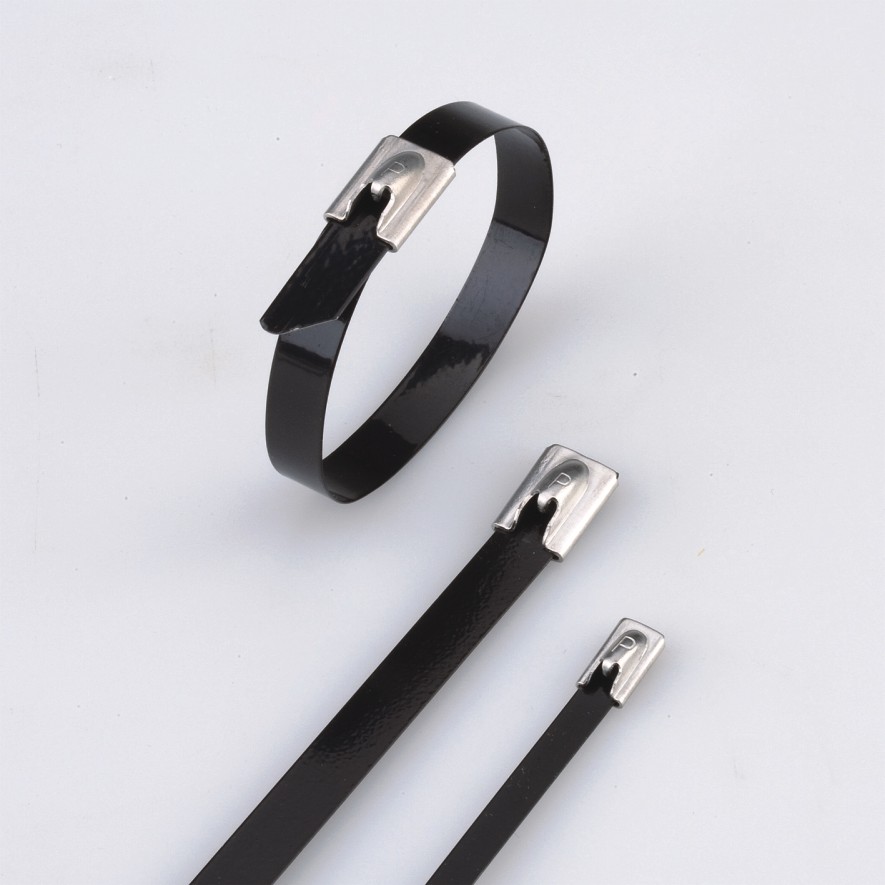 Stainless Steel Cable Ties- Ball-Lock Polyester Coated Ties Suppliers, Company -Zhejiang Fengfan Cable Fittings Co.,Ltd is China OEM/ODM Stainless Steel Cable Ties- Ball-Lock Polyester Coated Ties suppliers and compan...View Product →
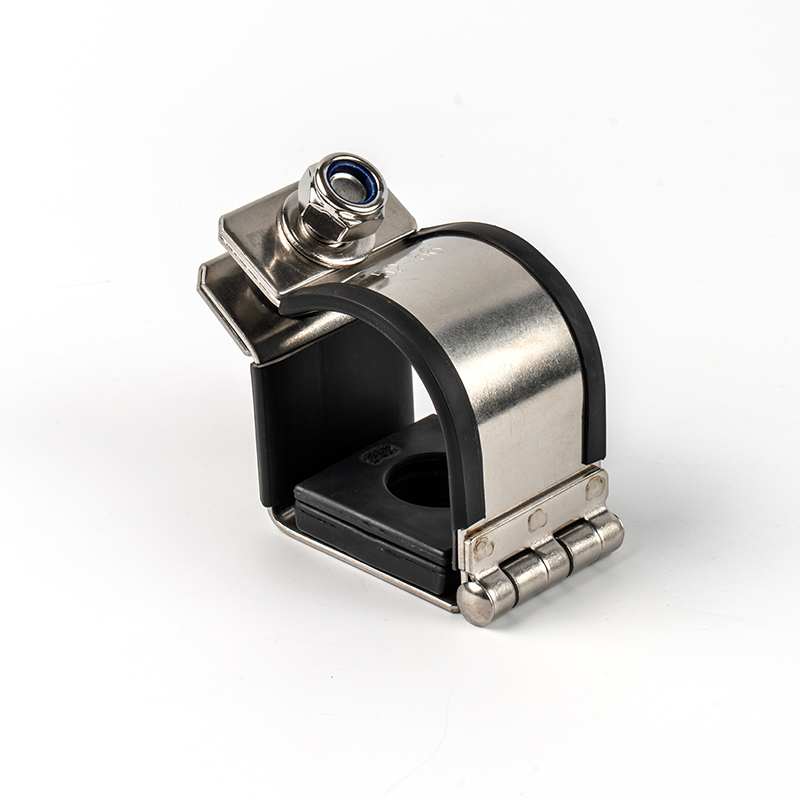 Stainless Steel 316 Single Cable Cleats For Cable Management Suppliers, Company Zhejiang Fengfan Cable Fittings Co.,Ltd is China OEM/ODM Stainless Steel 316 Single Cable Cleats For Cable Management suppliers and compa...View Product →
For teams responsible for long-term reliability, the practical sequence is: seal the entry with the correct gland, then fix the cable with cleats to prevent stress on the termination, then add markers at both ends. This also explains what cable cleats are and how they differ from cable ties — cleats provide rigid fixing, while ties bundle and organise. Together, both work with the cable gland to protect the full cable route. If you need stainless steel identification for high-temperature or outdoor areas, stainless steel easy-read markers are a practical choice because they survive exposure and remain legible for years.
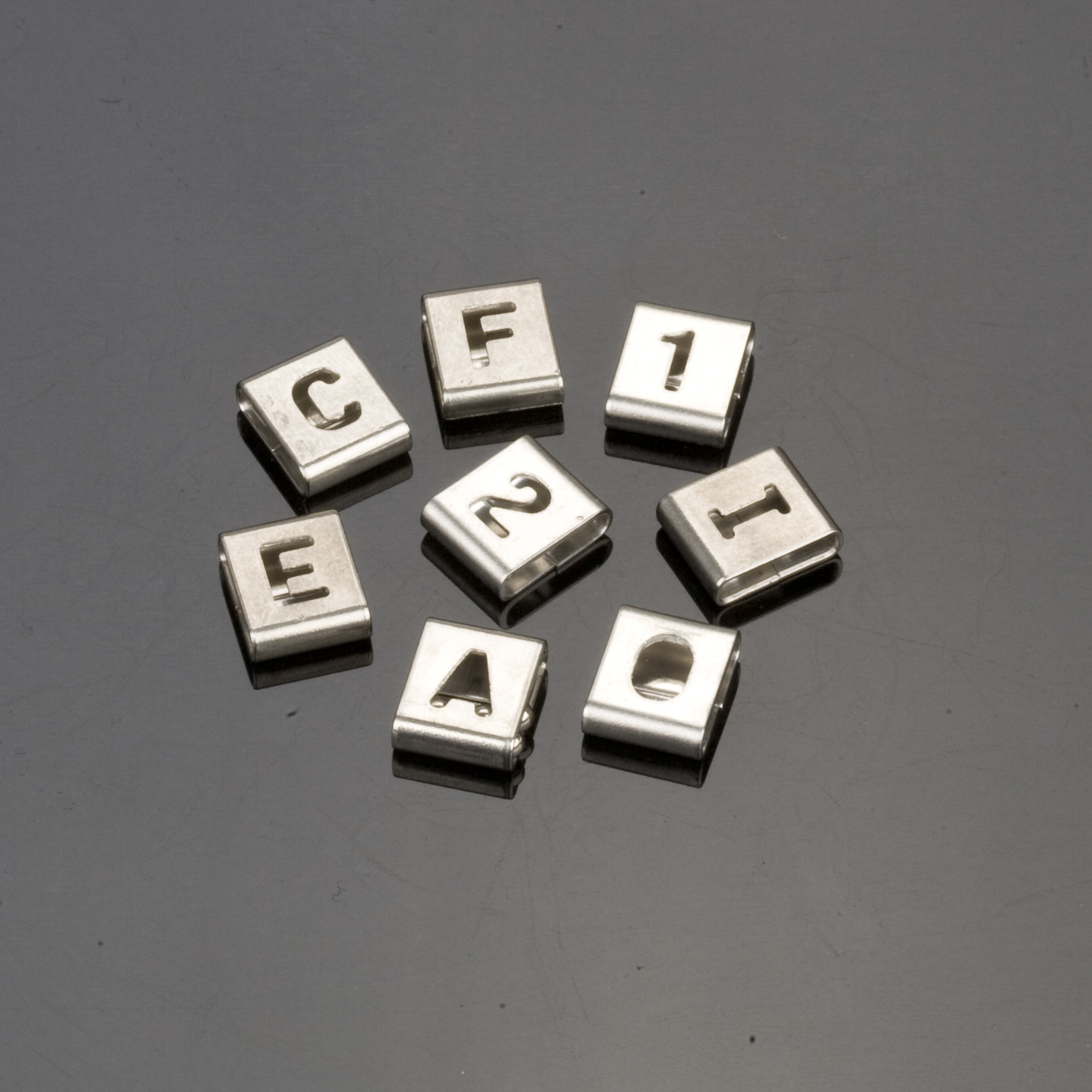 Stainless Steel Easy Read Markers Suppliers, Company - Zhejiang Fengfan Cable FiZhejiang Fengfan Cable Fittings Co.,Ltd is China OEM/ODM Stainless Steel Easy Read Markers suppliers and company, Professional wholesale ...View Product →
Understanding the entire set of cable fittings — glands at the entry, cleats along the tray, ties in the bundle, and markers at each end — helps procurement and installation teams avoid the classic failure mode where a well-sealed terminal is stressed by an unsecured cable several metres away.
Most cable gland problems are not technical — they are specification and purchasing errors. The most common ones we see in the field are listed below.
Indicative chart based on typical demand patterns in industrial cable accessory procurement.
A cable gland is fitted at the entry point of an enclosure and seals the opening around a cable. A cable cleat is installed along a cable run, on trays or walls, to hold the cable in position and resist mechanical forces. The gland seals and terminates; the cleat supports and fixes.
Yes, but only if all parts are intact and the sealing ring has retained its elasticity. If the grommet is hardened, cracked, or deformed, replace it before reuse. In Ex-rated installations, most safety guides recommend replacing the gland rather than reusing an old one.
Measure the actual cable outer diameter first, then confirm the enclosure thread size. Every gland has a specification table showing the recommended cable range for each thread size — use the range, not the thread number, as the primary selection criterion.
Choose stainless steel when the gland will be exposed to salt, chemicals, wash-down, or any humid environment for long periods. It is slightly more expensive than brass or plastic, but the service life difference in coastal and offshore installations is substantial.
The fact is: cable glands are small components, but they carry a disproportionate share of the responsibility for equipment enclosure integrity. Select the gland based on cable diameter, enclosure thread, required ingress protection, and corrosiveness of the environment. Then surround that gland with the proper cable support system — cleats for fixing, ties for bundling, and markers for identification.
When a project follows this approach, the installation keeps its IP rating, the cable termination is protected from stress, and future maintenance work becomes significantly easier. A well-designed cable route is not defined by a single component; it is defined by how all the parts work together from the enclosure entry to the final termination point.
The single cable Cleats made of 316 stainless steel is used for cable management. It is corrosion-resistant, high-temperature resistant and meets international standards. It is suitable for various ha...
See Detail
Manufactured from high-grade 316 stainless steel, this cable management system is specifically designed for secure cable retention in power generation, petrochemical, marine, offshore platforms, and c...
See Detail
Brand Name: FengfanApproved Certificate: DNV & ABS.Product Description: Cable Fixing Band and ClipsThe Lower Cost Alternative to Cable Cleats Product Benefits- Low profile finish- 316 grade stain...
See DetailMobile: +86-136 7685 3958
Email: lihai.fan@zjffdl.com
Mobile: +86-188 57530390
Email: alan.huang@zjffdl.com
No. 1116 Yasha Ave, Cao’e Street, Shangyu District, Shaoxing City, Zhejiang, China, 312300

+86-0575-8215 2808
/8200 8688/8239 2526

+86-0575-8215 2066
Copyright ©Zhejiang Fengfan Cable Fittings Co.,Ltd.
