


 English
 中文简体
中文简体
+86-0575-8215 2808
/8200 8688/8239 2526
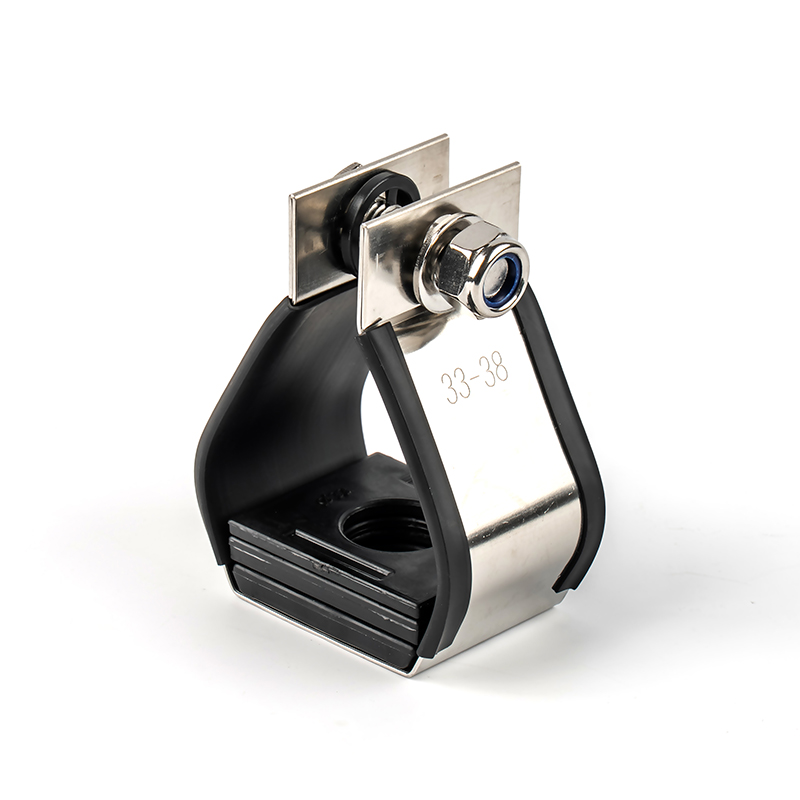
The single cable Cleats made of 316 stainless stee...
View more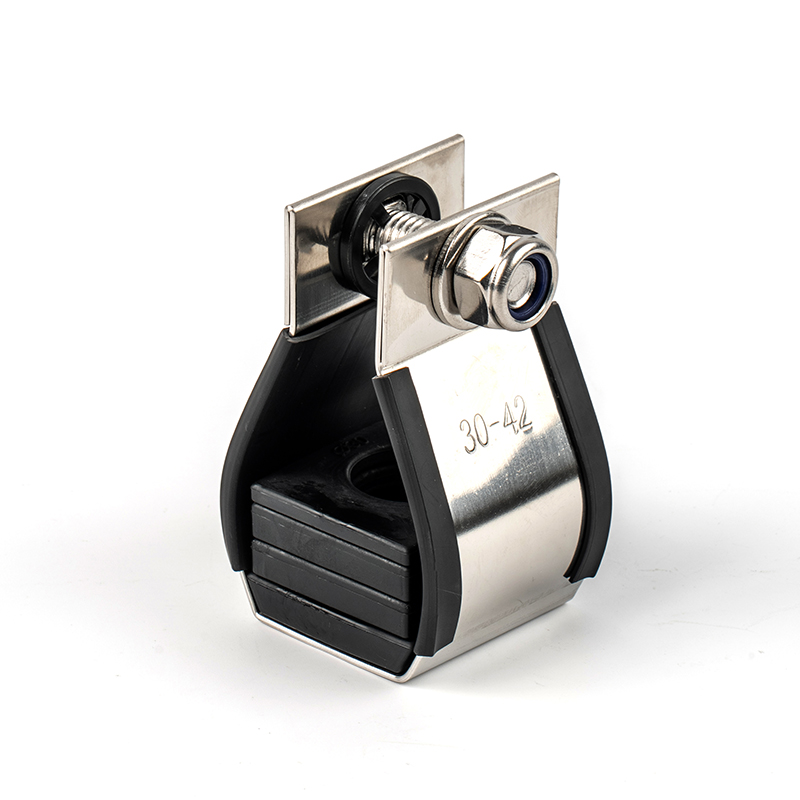
Manufactured from high-grade 316 stainless steel, ...
View more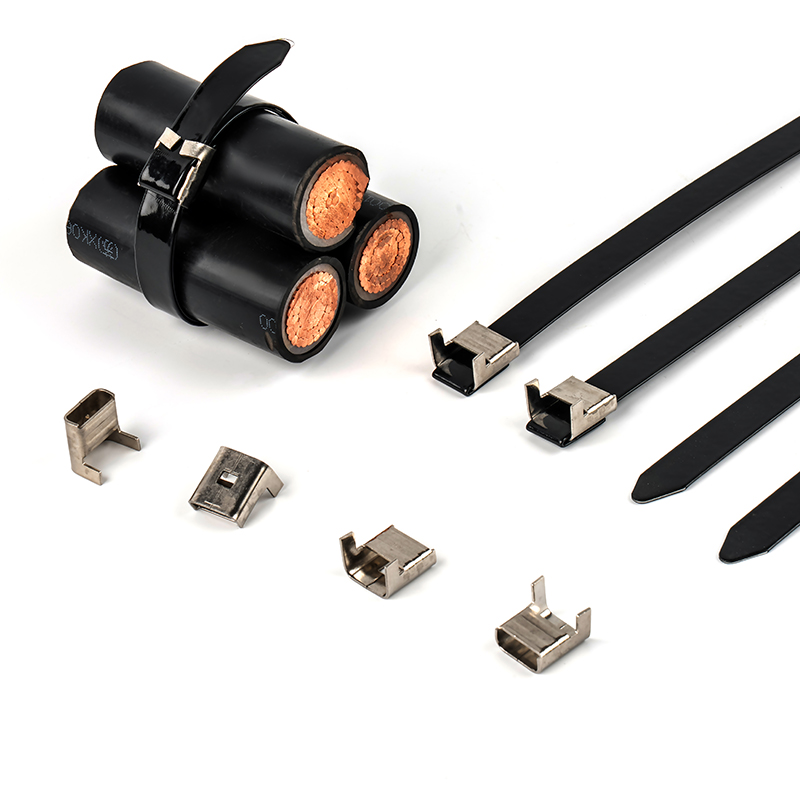
Brand Name: FengfanApproved Certificate: DNV &...
View moreContent
Yes, stainless steel cable ties are specifically engineered for outdoor use. Grade 304 and 316 stainless steel resist rust, UV degradation, salt spray, and extreme temperatures (from -80°F to 1000°F), making them the standard choice for marine, industrial, and exposed-environment applications where standard nylon ties would crack or fail within months.
Nylon cable ties are popular for indoor wiring because they are inexpensive and flexible, but UV radiation breaks down the polymer chains over time. After roughly 6 to 12 months of direct sun exposure, most nylon ties become brittle, discolor, and snap under tension. Moisture, temperature swings, and chemical exposure accelerate this process even further. For projects expected to last years rather than months, a metal alternative is necessary.
Not all stainless steel ties are built the same. The locking mechanism, coating, and grade of steel all affect how the tie performs in different outdoor conditions.
| Type | Best Use Case | Key Advantage |
| Ball Lock Stainless Steel Ties | Cable bundling, signage, ductwork | Smooth tensioning, no sharp tail edges |
| Nylon Coated Stainless Steel Ties | Areas with sensitive cable jackets | Protects cable insulation from abrasion |
| Ball Lock Semi-Coated Ties | Mixed exposure environments | Coating only where contact occurs |
| Barb-Lock Nylon Cable Ties | Light-duty outdoor bundling | Lower cost, quick installation |
| Weather Resistant Acetal Ties | Cold climates, rapid temperature shifts | Maintains flexibility in freezing conditions |
| PPA Coated Ties | High-heat industrial settings | Withstands sustained high temperatures |
Grade 304 stainless steel offers solid corrosion resistance and works well for general outdoor use such as fencing, signage, and HVAC duct securing. Grade 316 contains added molybdenum, which significantly improves resistance to chloride and salt exposure. For coastal installations, marine cabling, or any application near saltwater, 316 is the recommended choice. While 316 ties typically cost 15 to 25 percent more, the extended service life often makes them more economical over a multi-year project.
Stainless steel cable ties rarely work alone in a complete outdoor cable management system. Several complementary products are commonly used together:
Even the best stainless steel tie can underperform if installed incorrectly. Avoid over-tightening on coated or insulated cables, as excessive pressure can deform the jacket over time and lead to micro-cracks. For ball lock ties, use a dedicated tensioning tool rather than pliers to achieve consistent tension across an entire installation. When working in salt-spray zones, periodically inspect ties for any signs of pitting, especially around the locking mechanism, and replace any tie showing surface degradation before it becomes a structural issue.
Outdoor bundles often involve thicker cables or multiple cables grouped together, so width matters more than it does indoors. A 4.6mm width tie is typically sufficient for small bundles up to 10mm in diameter, while bundles exceeding 50mm in diameter generally require a 7.9mm or wider tie to maintain holding strength under wind load and thermal expansion. Length should always allow for at least 20mm of extra material after locking to accommodate seasonal expansion of the cable jacket.
Stainless steel cable ties are widely used across several outdoor sectors. Solar farms rely on them to secure DC cabling along racking systems exposed to constant UV. Telecommunications providers use them on outdoor cabinets and pole-mounted equipment. Agricultural operations use them for securing wiring on irrigation systems and livestock monitoring equipment. In each case, the combination of corrosion resistance and mechanical strength is what justifies the higher upfront cost compared to plastic alternatives.
The single cable Cleats made of 316 stainless steel is used for cable management. It is corrosion-resistant, high-temperature resistant and meets international standards. It is suitable for various ha...
See Detail
Manufactured from high-grade 316 stainless steel, this cable management system is specifically designed for secure cable retention in power generation, petrochemical, marine, offshore platforms, and c...
See Detail
Brand Name: FengfanApproved Certificate: DNV & ABS.Product Description: Cable Fixing Band and ClipsThe Lower Cost Alternative to Cable Cleats Product Benefits- Low profile finish- 316 grade stain...
See DetailMobile: +86-136 7685 3958
Email: lihai.fan@zjffdl.com
Mobile: +86-188 57530390
Email: alan.huang@zjffdl.com
No. 1116 Yasha Ave, Cao’e Street, Shangyu District, Shaoxing City, Zhejiang, China, 312300


+86-0575-8215 2808
/8200 8688/8239 2526

+86-0575-8215 2066
Copyright ©Zhejiang Fengfan Cable Fittings Co.,Ltd.
