


 English
 中文简体
中文简体
+86-0575-8215 2808
/8200 8688/8239 2526
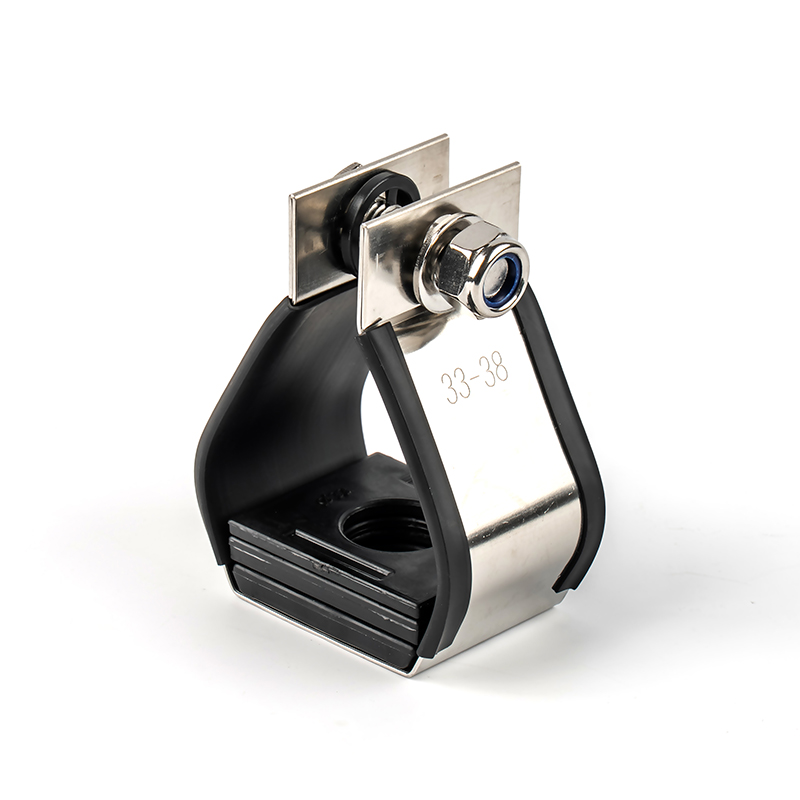
The single cable Cleats made of 316 stainless stee...
View more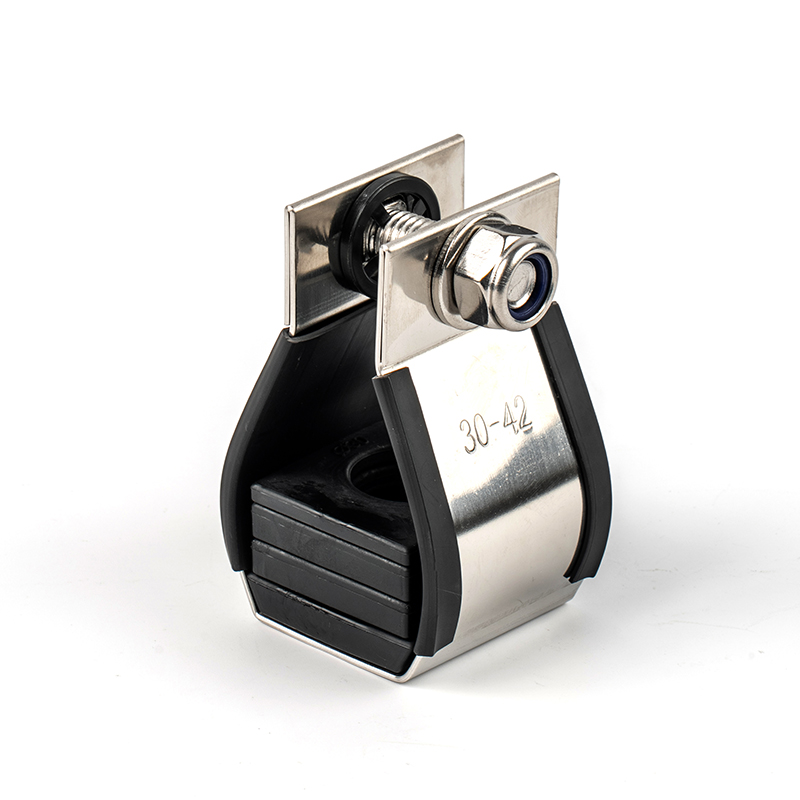
Manufactured from high-grade 316 stainless steel, ...
View more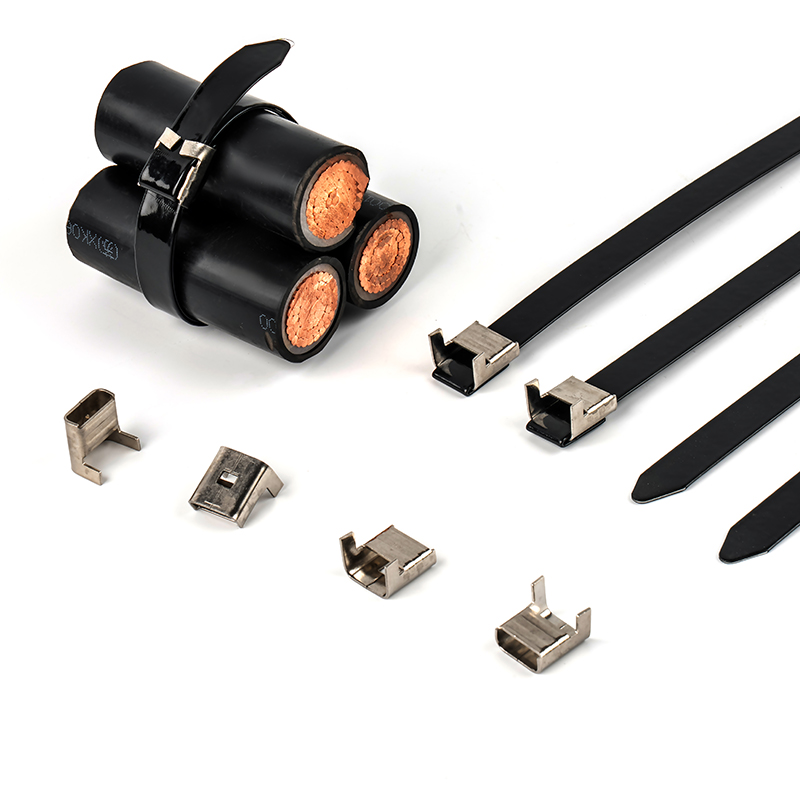
Brand Name: FengfanApproved Certificate: DNV &...
View moreContent
Cable markers are essential identification tools that prevent electrical hazards, reduce downtime, and ensure code compliance. The main types include wrap-around labels, heat-shrink sleeves, tie-on tags, flags, and rotating labels—each suited for specific environments and cable sizes. The NEC 2026 mandates that all limited-energy cables display the manufacturer’s marking, temperature rating (if exceeding 60°C), and AWG size at least every 24 inches under Article 722.100. Color coding standards require neutral conductors to be white or gray, grounding conductors to be green or bare copper, and phase conductors to follow black-red-blue (208Y/120V) or brown-orange-yellow (277/480V) sequences. When selecting a marker, prioritize environmental resistance, gauge compatibility, permanence needs, and fire safety ratings such as LSZH (Low Smoke Zero Halogen).
Wrap-around markers are self-laminating labels featuring a clear protective tail that shields printed information from dirt, moisture, and abrasion. They are ideal for data center cabling and telecommunications installations where cables are frequently handled. These markers should have approximately 3.5 times the cable diameter in length to ensure proper adhesion and coverage.
Heat-shrink tubing provides a permanent, tamper-resistant identification solution. When heated, the sleeve contracts to fit snugly around the cable, creating durable marking that resists chemicals and environmental exposure. For proper fit, sleeves should have at least twice the height of the cable diameter. These are commonly used in industrial and offshore applications requiring long-term reliability.
Tie-on labels attach to cables using cable ties, making them perfect for post-termination application or tight spaces. They accommodate longer text strings and work well on cable bundles of various diameters. Modern tie-on labels are manufactured from UV-stable, Low Smoke Zero Halogen (LSZH) material, making them suitable for rail, offshore, and outdoor installations.
P- or T-shaped flag labels maximize printable space while minimizing contact surface with the wire—ideal for already-attached cables. Rotating wire labels spin freely around Cat 5/6 and fiber optic cables, allowing readability from any angle on both open and closed connections.
Non-shrink cable markers offer a heat-free alternative for retrofit labeling or sensitive equipment areas. Print-on hook material enables easy placement, repositioning, or removal of labels on wire bundles to avoid costly rework.
Cable markings serve five critical functions in electrical installations:
In commercial and industrial settings, effective wire marking systems can boost workplace efficiency by cutting down the time needed to complete tasks, while also preventing incidents caused by handling incorrect wires.
If wires contact chemicals, water, or dirt, select durable labels made from materials that withstand these elements. Vinyl markers resist oil and dirt, while nylon and Teflon perform better in extreme temperatures or corrosive chemical environments.
Wire gauge directly impacts marker selection. The American Wire Gauge (AWG) is the most common standard in the United States. Key sizing rules include:
Determine whether labeling occurs before or after cable termination. Sleeves must be slid over cables before termination, while tie-on tags and wrap-around labels can be applied afterward.
Heat-shrink sleeves provide permanent marking, while print-on hook material allows repositioning or removal. Temporary markers suit prototyping and testing phases, whereas permanent markers are essential for final installations.
For demanding environments such as rail, offshore, or enclosed spaces, select LSZH (Low Smoke Zero Halogen) materials. These markers emit minimal smoke and no toxic halogens when exposed to fire, meeting stringent safety approvals.
The National Electrical Code (NEC) mandates specific colors for neutral and grounding conductors, while phase conductor colors follow established industry practice. Color coding of power cables in the US was first referenced in the NEC in 1928, establishing uniform wire identification to prevent confusion and safety risks.
| System Voltage | Conductor Type | Required Color |
|---|---|---|
| 208Y/120V, 3-Phase | Phase A | Black |
| 208Y/120V, 3-Phase | Phase B | Red |
| 208Y/120V, 3-Phase | Phase C | Blue |
| 277/480V, 3-Phase | Phase A | Brown |
| 277/480V, 3-Phase | Phase B | Orange |
| 277/480V, 3-Phase | Phase C | Yellow |
| All Systems | Neutral | White or Gray |
| All Systems | Ground | Green, Green/Yellow, or Bare Copper |
| All Systems | Isolated Ground | Green with Orange Trace/Tape |
The NEC specifically stresses that neither white nor green shall be used on ungrounded (hot) conductors in any manner. For 120V circuits, black is the common practice for hot wires, while red is typically used for 220V circuits. In 3-phase systems, hot wires may also use black with colored bands or markers.
When factory color-coded conductors are not commercially available, the NEC permits using black conductors banded with colored tape at terminations and splices. All branch circuits should be identified with panel and circuit numbers using wrap-around labels at every wiring termination and splice point.
NEC 2026 introduces significant reorganization of limited-energy system requirements. Under Article 722.100, all limited-energy cables must follow specific marking requirements including:
Notably, the insulation’s voltage rating is not marked on cables to prevent potential confusion or incorrect use of the conductor in applications for which the insulated cable is not approved.
NEC 2026 clarifies that both direct buried service conductors and raceways containing service conductors must be identified by a warning ribbon placed at least 12 inches above the installation when buried 18 inches or more below grade and not encased in concrete. This revision removes previous ambiguity and ensures consistent enforcement across jurisdictions.
The 2026 code expands arc-flash marking requirements to all service and feeder equipment (not just equipment rated 1000A or more). Labels must now include nominal system voltage, the specific arc-flash boundary, available incident energy or required PPE level, and the date the assessment was performed. Arc-flash events can reach temperatures of 35,000°F, making these markings critical for worker safety.
Where supplied by a feeder, motor control centers must now be marked with the name and location of the disconnecting means required to cut all power. This improves lockout/tagout procedures and emergency response times.
NEC 2026 establishes a clear 12-inch minimum clearance between stacked cable trays, replacing the previous vague "sufficient space" language. Designers and installers must now plan tray elevations carefully to ensure safe access and compliance.
While Article 760 still governs fire alarm installations, NEC 2026 moves general requirements to new coordinated articles. Cable types and marking requirements previously in 760.154, 760.176, and 760.179 now reside in Article 722, while power source marking requirements moved to Article 721.
Wire markers typically identify individual conductors within a cable, while cable markers identify the entire cable bundle or assembly. Wire markers must accommodate smaller diameters (often 18–24 AWG), whereas cable markers handle larger bundles and may include more extensive identification data such as circuit numbers and panel references.
No. The NEC mandates that white and green (or green with yellow stripes) are reserved exclusively for neutral and grounding conductors. Hot wires may use black, red, blue, brown, orange, or yellow depending on the system voltage, but white and green must never appear on ungrounded conductors. When factory-colored conductors are unavailable, use black wire with colored tape bands at terminations.
Under NEC 2026 Article 722.100, limited-energy cables must display AWG size markings at intervals not exceeding 24 inches. For power cables, markings should appear at all terminations, splices, and junction boxes to ensure continuous traceability throughout the installation.
NEC 2026 Section 300.13(E) requires that when cable ties are used as a means of securing and supporting cables or flexible raceways, they must be listed and identified for that purpose [^60^]. Standard zip ties used for bundling do not satisfy this requirement if they serve as the primary support method.
NEC 2026 Section 300.4(C) mandates that if conductors or wiring methods are no longer suitable due to overheating, fire damage, corrosive influences, or water damage, replacement is required—not merely repair [^60^]. This strengthens post-event compliance decisions and reduces "repair vs. replace" ambiguity.
Yes. NEC 2026 Section 800.2 requires communications wires, including distributing frame and jumper wires, to be listed as resistant to the spread of fire. Unlisted communications cables are only acceptable within building spaces for up to 50 feet if entering from outside and terminated on listed primary protectors.
Under Article 722.100, the temperature rating must be marked on the cable when the insulation exceeds 60°C (140°F). Common ratings include 75°C, 90°C, and 105°C, with THHN insulation typically rated at 90°C for dry locations.
The single cable Cleats made of 316 stainless steel is used for cable management. It is corrosion-resistant, high-temperature resistant and meets international standards. It is suitable for various ha...
See Detail
Manufactured from high-grade 316 stainless steel, this cable management system is specifically designed for secure cable retention in power generation, petrochemical, marine, offshore platforms, and c...
See Detail
Brand Name: FengfanApproved Certificate: DNV & ABS.Product Description: Cable Fixing Band and ClipsThe Lower Cost Alternative to Cable Cleats Product Benefits- Low profile finish- 316 grade stain...
See DetailMobile: +86-136 7685 3958
Email: lihai.fan@zjffdl.com
Mobile: +86-188 57530390
Email: alan.huang@zjffdl.com
No. 1116 Yasha Ave, Cao’e Street, Shangyu District, Shaoxing City, Zhejiang, China, 312300


+86-0575-8215 2808
/8200 8688/8239 2526

+86-0575-8215 2066
Copyright ©Zhejiang Fengfan Cable Fittings Co.,Ltd.
