


 English
 中文简体
中文简体
+86-0575-8215 2808
/8200 8688/8239 2526
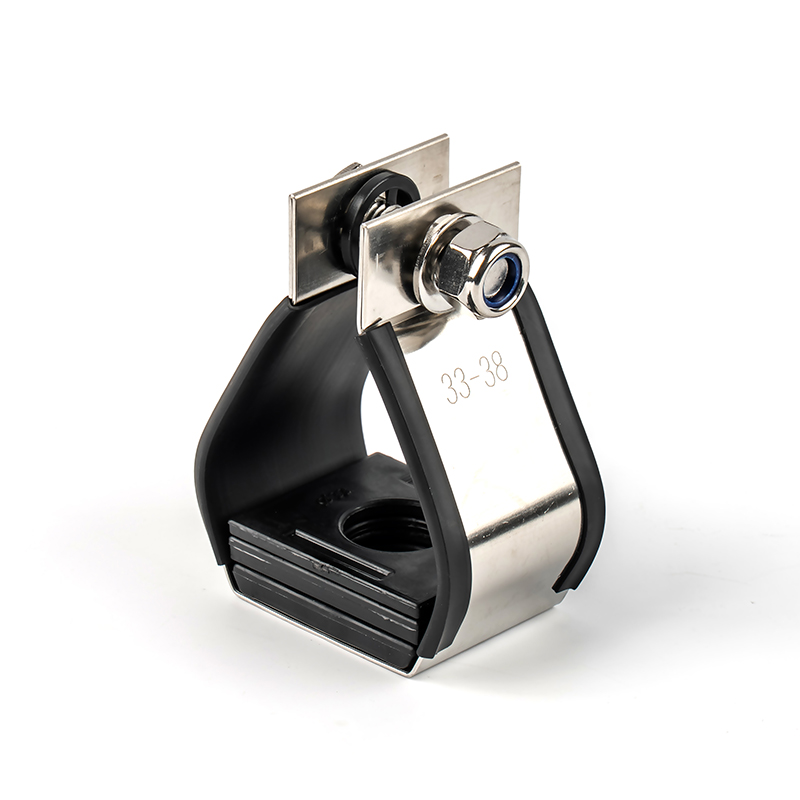
The single cable Cleats made of 316 stainless stee...
View more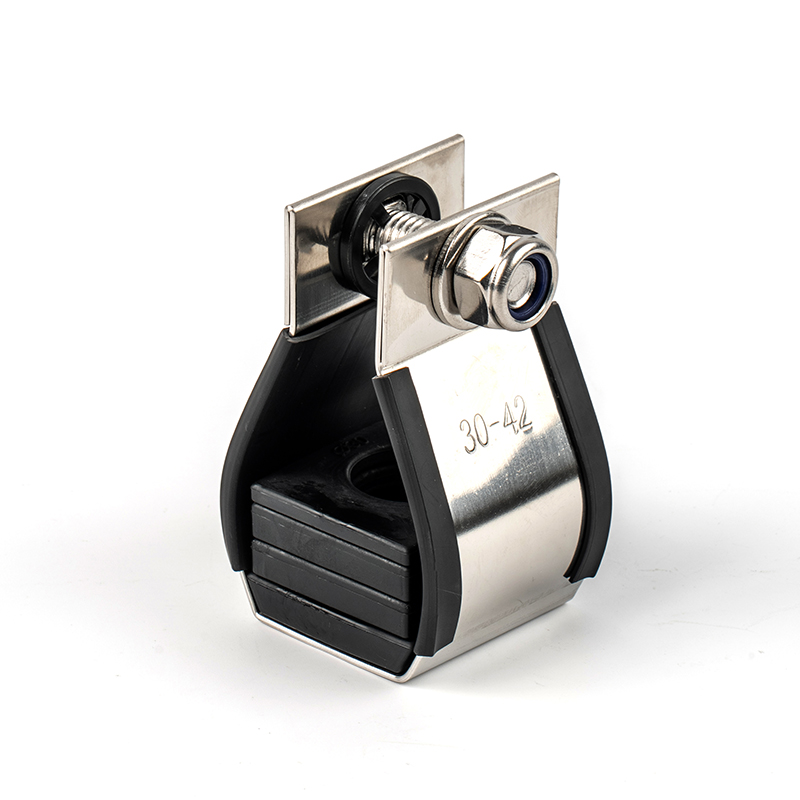
Manufactured from high-grade 316 stainless steel, ...
View more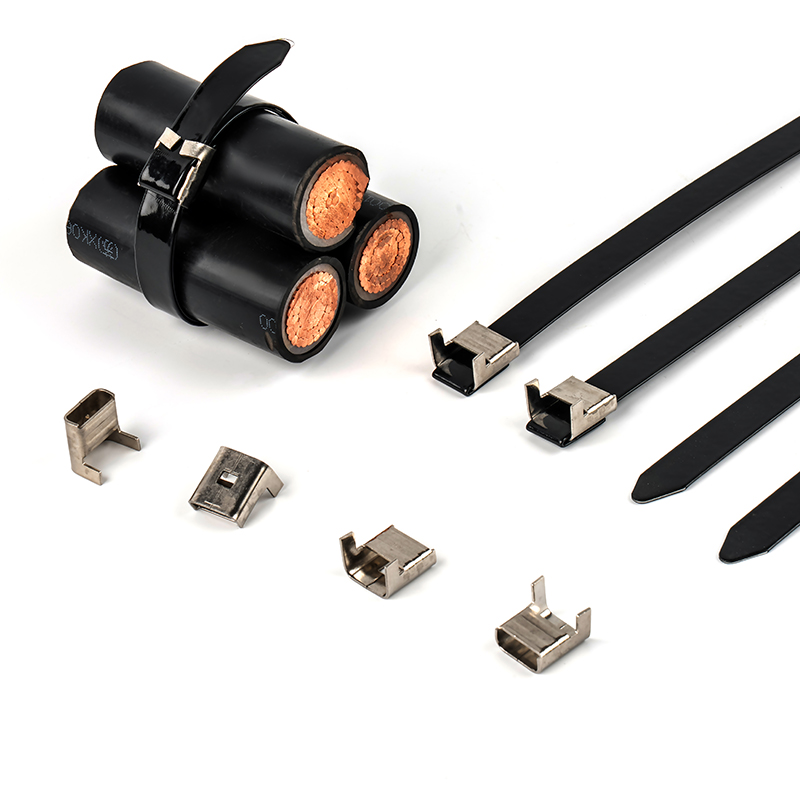
Brand Name: FengfanApproved Certificate: DNV &...
View moreContent
A maintenance fitter drills a 4.8 mm hole into a stainless control cabinet, sets a blind rivet through the eye of a nylon tie mount, and runs the tie around a bundle of sensor cables.
Ten metres away, another installer picks a stainless steel ball-lock tie, never touches a drill, and gets the same result. Both of them searched for the same words: cable ties rivet.
The first thing to settle is this. A rivet is a separate fastener, and it is only needed when a separate part has to be fixed to a structure, such as a tie mount, a buckle or a bracket. Stainless steel ties and nylon ties lock on their own. Once that point is clear, the rest of the job is arithmetic: hole diameter, grip range, panel thickness, material pairing and tension. The notes below are written for the people who release the work, buyers checking a bill of materials and installers holding the rivet gun.
Three different assemblies travel under this phrase, and confusing them is the fastest way to order the wrong parts.
The mount is a small nylon or stainless saddle with a bore through its base and a slot for the tie. A blind rivet passes through the bore into a drilled panel. Full-size mounts take 4.0 mm or 4.8 mm rivets; miniature mounts take 3.2 mm. The mount then becomes permanent: the tie can be cut and replaced, the mount cannot be moved without drilling it out. This is the assembly most engineers mean, and it is where grip range matters most, because the rivet body has to clamp the mount base and the panel together, not the panel alone.
On stainless steel banding, the band is tensioned around a pipe, pole or tray and locked with a buckle. Where vibration is constant, some sites add a rivet through the buckle so the joint cannot back off, or replace the buckle with a riveted overlap. Use A4 / 316 stainless rivets in chloride environments, because an aluminium rivet inside a stainless joint is a corrosion cell waiting to open. The matched options are listed in our stainless steel band and buckle systems range.
A ball-lock stainless steel tie has a small domed head with a stainless ball inside that wedges the band as tension is applied. At arm's length it reads as a rivet, and it is not one: there is no mandrel, no hole and nothing to set. Crews that treat the head as a rivet and strike it with a hammer damage the locking ball and lose a large part of the loop strength.
The table below compares the fixing methods that turn up on real panels. Treat the figures as typical ranges and confirm them against supplier data before parts are released.
| Fixing method | Hole or fastener | Panel thickness | Removable | Where it fits |
|---|---|---|---|---|
| Blind rivet through a tie mount | 3.2 / 4.0 / 4.8 mm | 0.5 to 6.4 mm with the correct grip | No | Cabinets, trays, rail and marine equipment |
| Screw through a tie mount | M4 or M5 | Any thickness with a nut or insert | Yes | Access panels and service points |
| Adhesive tie mount | None | Clean, flat, cool surface | No | Light bundles, low vibration |
| Push-mount arrowhead tie | 5.0 to 6.5 mm | 1 to 4 mm | Usually not | Harness routing inside panels |
| Direct ball-lock stainless tie | None | Not applicable | No | Heat, UV, offshore and chemical areas |
| Bolted steel cable cleat | M6 to M10 bolt | Not applicable | Yes | Short-circuit-rated power circuits |
Two rows deserve a flag. Cleats are bolted, not riveted: a cleat carries short-circuit forces measured in kiloamps, and no rivet substitutes for an M8 bolt. Adhesive mounts are also not a substitute for riveted mounts on the same panel, because one depends on surface energy and the other on a drilled hole, and only one of them survives 80 °C.
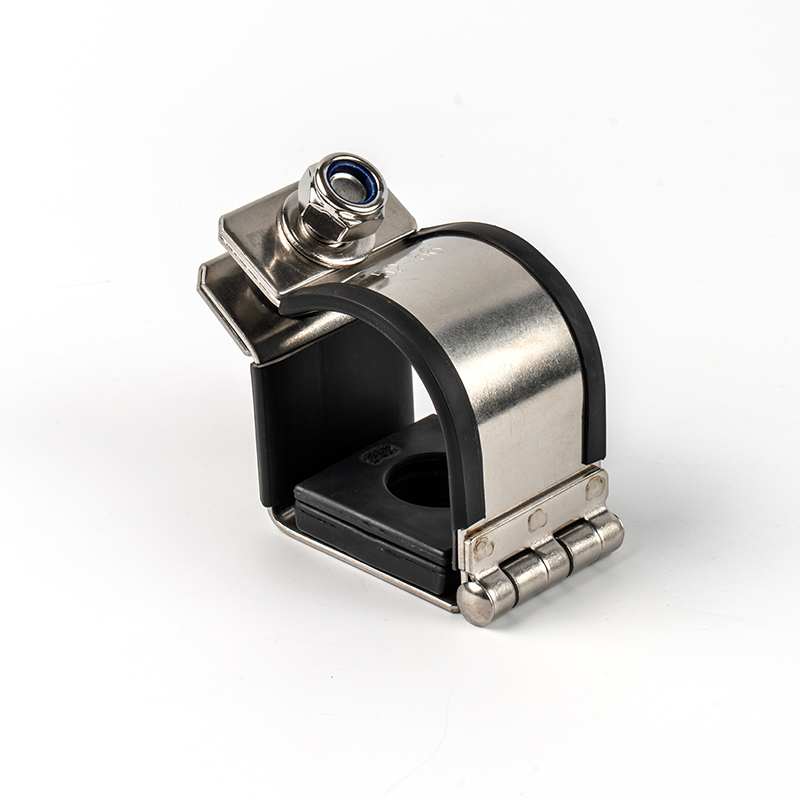 FENGFAN FF-S Stainless Steel 316 Single Cable CleatsFor individual cable retention in trays, walls, and support structures, with FF-S sizes covering 28–150 mm and bolted mounting for short-circuit force paths.View Product →
A riveted joint is a stack of different metals and polymers inside a few square millimetres, so pairing decides service life.
For a fuller comparison of head styles, coatings and grades, see how to choose stainless steel cable ties.
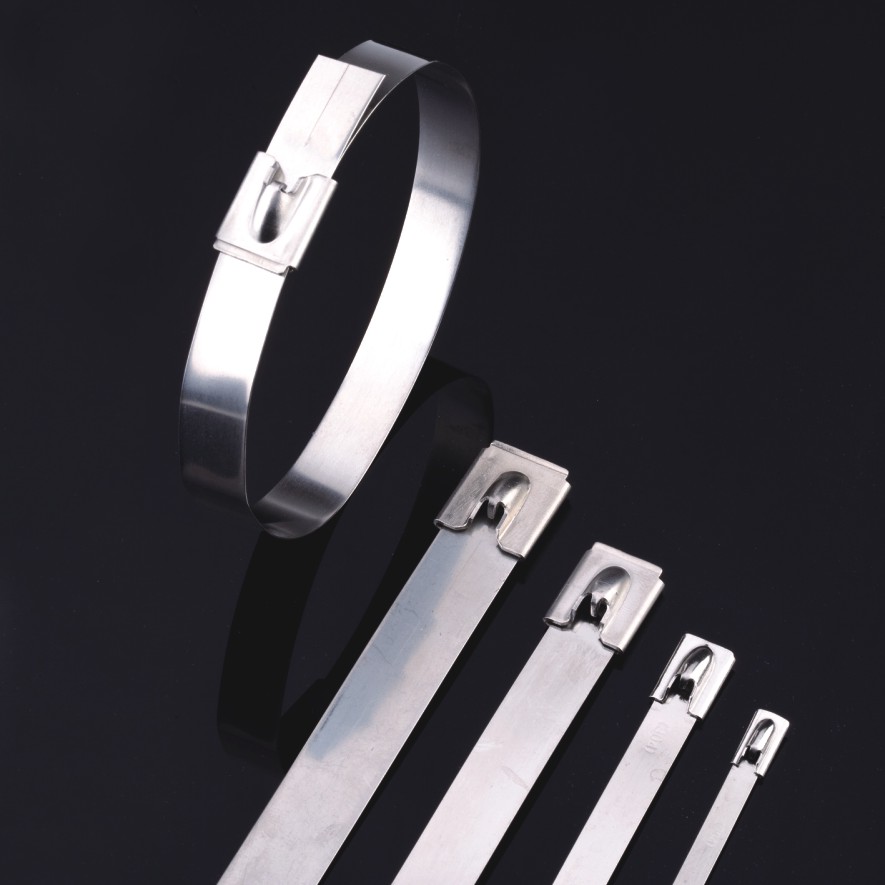 Stainless Steel Ball-Lock Uncoated Cable TiesGrade 304 or 316 ties with self-lock installation, -80°C to 538°C range, and cross-section choices from 1000 N to 4005 N.View Product →
Grip range is the parameter that gets ignored. A rivet that is too long leaves the mount loose and rattling; one that is too short never clamps, and the mandrel snaps early. Add the mount base thickness, typically 1.5 to 3 mm, to the panel thickness before selecting the rivet. Drill at nominal diameter as well, since a wandering bit that opens a 4.8 mm hole to 5.2 mm removes the interference fit that keeps the mount from shifting.
Hand-tightened ties are the other recurring failure. Over-tension cuts insulation on soft cable and cracks nylon heads in cold weather; under-tension lets the bundle move and chafe against the panel edge.
For band and buckle work, matching tools matter as much as the hardware. A strapping tool tensions the band, locks the joint and cuts the tail in one action, which keeps tension consistent across a batch rather than depending on the operator's wrist.
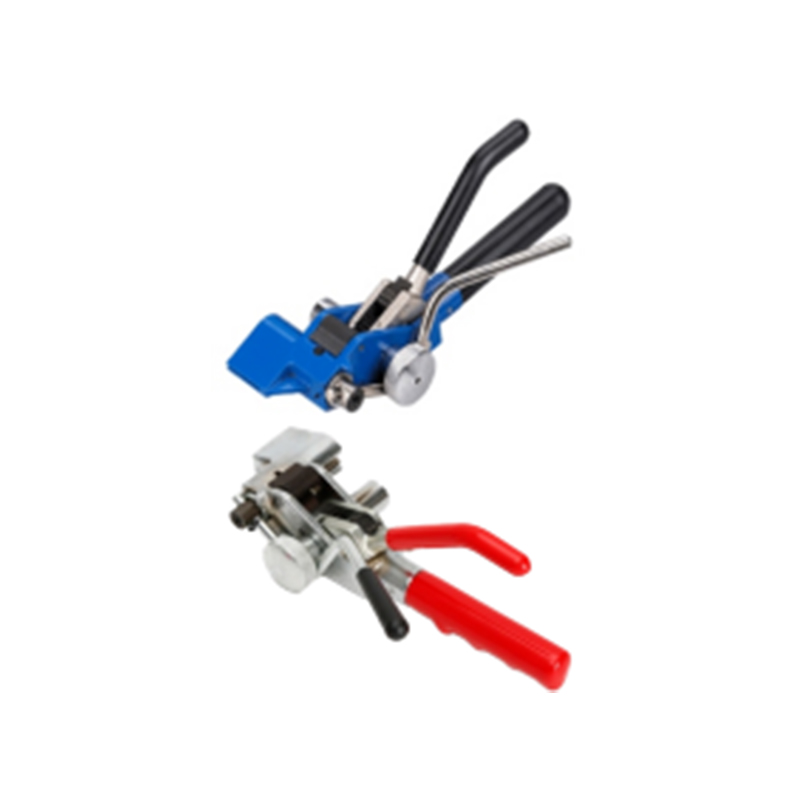 LQA Stainless Steel Cable Tie Strapping ToolHand tool for tensioning and cutting stainless steel ties 8–16 mm wide, with adjustable tension control for consistent band-and-buckle work.View Product →
No. Ball-lock, ladder-lock and L-type stainless ties lock against the band itself. A rivet only enters the picture when a separate mount or buckle has to be fixed to a panel or structure.
Most full-size mounts take a 4.0 mm or 4.8 mm blind rivet, and miniature mounts take 3.2 mm. Check the bore in the mount and the total grip thickness rather than the panel thickness alone.
Not normally. Removing a blind rivet means drilling the head off, which usually damages the mount bore. Where the installation may be re-entered, use a screw fixing instead.
Buy a rivet only when there is a mount, buckle or bracket to fix. Match the rivet diameter to the bore, the grip range to the combined thickness of mount and panel, and the rivet material to the panel so the joint does not become a corrosion cell. Then choose the tie: nylon for general work, weather-resistant acetal for warm humid sites, coated or uncoated stainless steel for heat, UV and chlorides.
Get those four decisions right and the riveted joint stops being the weak point in a cable installation.
The single cable Cleats made of 316 stainless steel is used for cable management. It is corrosion-resistant, high-temperature resistant and meets international standards. It is suitable for various ha...
See Detail
Manufactured from high-grade 316 stainless steel, this cable management system is specifically designed for secure cable retention in power generation, petrochemical, marine, offshore platforms, and c...
See Detail
Brand Name: FengfanApproved Certificate: DNV & ABS.Product Description: Cable Fixing Band and ClipsThe Lower Cost Alternative to Cable Cleats Product Benefits- Low profile finish- 316 grade stain...
See DetailMobile: +86-136 7685 3958
Email: lihai.fan@zjffdl.com
Mobile: +86-188 57530390
Email: alan.huang@zjffdl.com
No. 1116 Yasha Ave, Cao’e Street, Shangyu District, Shaoxing City, Zhejiang, China, 312300


+86-0575-8215 2808
/8200 8688/8239 2526

+86-0575-8215 2066
Copyright ©Zhejiang Fengfan Cable Fittings Co.,Ltd.
