


 English
 中文简体
中文简体
+86-0575-8215 2808
/8200 8688/8239 2526
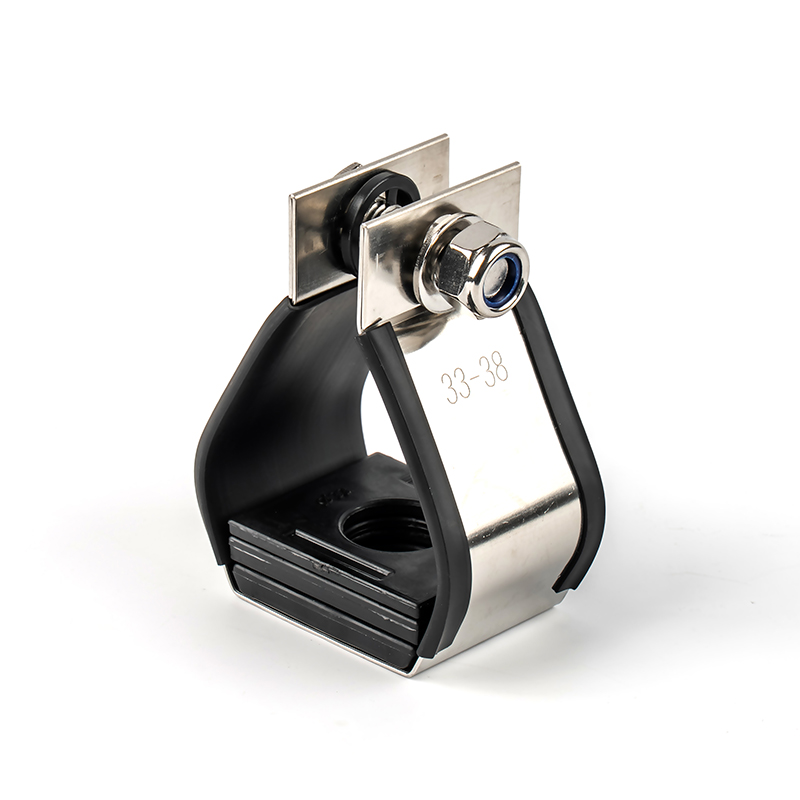
The single cable Cleats made of 316 stainless stee...
View more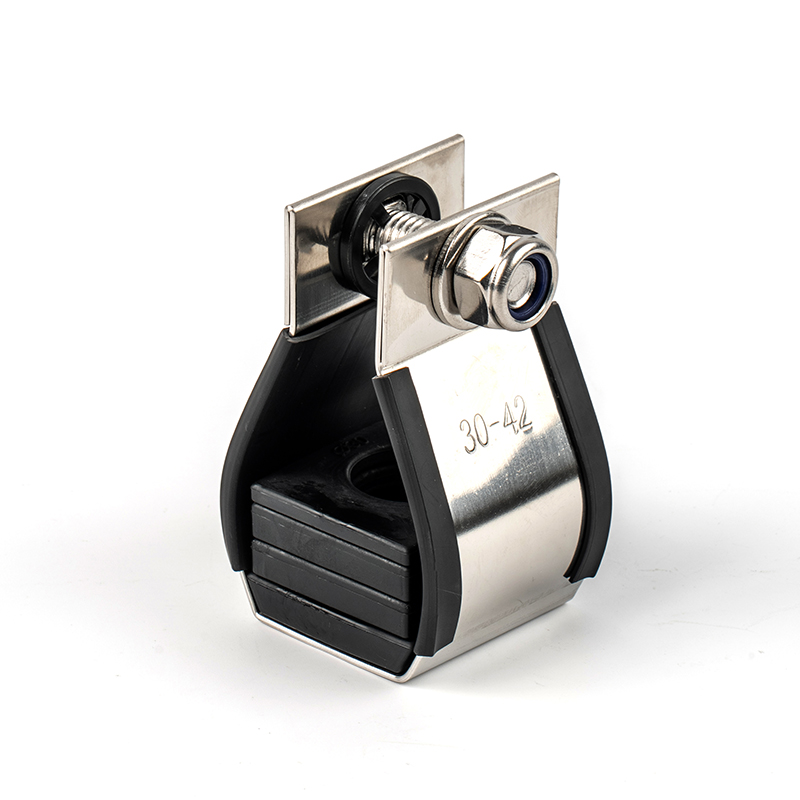
Manufactured from high-grade 316 stainless steel, ...
View more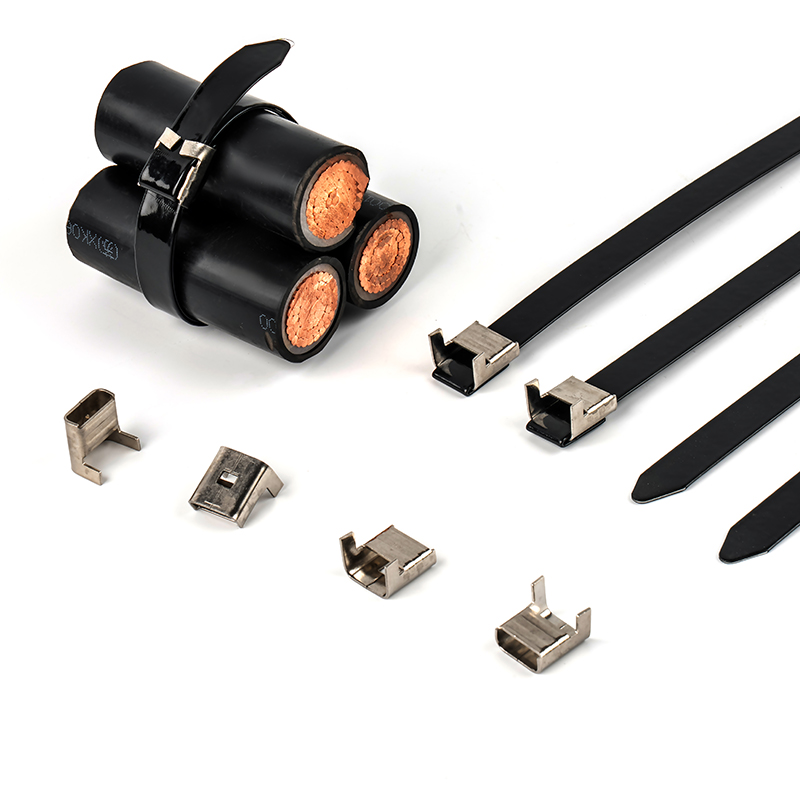
Brand Name: FengfanApproved Certificate: DNV &...
View moreContent
A cable tie comes off in about three seconds. A scored 1.5 sq mm control conductor can take a day to trace and a week to put right. That gap is the reason a purpose-built cable tie removal tool exists: a guided cutter slides a shaped hook under the strap, lifts it clear of the insulation and shears it in one motion, without the blade ever reaching the cable underneath.
This guide compares the removal methods used on harness boards and at site, lists the numbers that decide whether a cutter actually fits your ties, shows where removal damage comes from, and covers the cases where the correct move is not to cut the tie at all.
For any bundle you cannot lift clear of the panel, use a guided strap removal tool or a flush cutter with flat-ground jaws. Keep the utility knife for cable that is already scrap.
The failure mode is almost always the same: the blade passes through the tie and keeps travelling. Over a 1.5 sq mm conductor, that extra millimetre is enough to score the insulation wall. A shallow score often passes a commissioning test, which is exactly what makes it expensive - the damage appears later at a bend radius, or as moisture ingress in an outdoor cabinet.
There is a quieter cost too. Ties cut with a knife usually leave a 2-3 mm tail with a sharp corner. In a cabinet with 400 ties, that is 400 snag points for the next technician and 400 places where a wire can chafe when the door closes.
Stainless steel adds a third problem. A 0.3-0.7 mm 316 strap will chip a blade rated for nylon, and the cut end stays sharp enough to catch a glove on the next pass.
Here is how the common options behave on 2.5 mm to 7.9 mm nylon ties. Times are typical field values for planning, not laboratory figures.
| Method | Best used for | Time per tie | Risk to insulation | Key detail |
|---|---|---|---|---|
| Guided strap removal tool | Ties tight against panels, DIN rail, thin-wall control cable | 4-8 s | Low | Hook slides under the strap before the blade closes |
| Flush cutter with flat-ground jaws | Open bench work, ties you can lift away | 2-4 s | Low to moderate | Jaws must sit flat against the lock head |
| Utility knife | Scrap cable, oversized ties, last-resort access | 5-10 s | High | Blade travel is hard to control; one slip scores insulation |
| Releasing a releasable tie | Bundles that will be opened again | 1-3 s | Very low | Requires a releasable tie from the start |
Read the table by access angle rather than by speed. A flush cutter wins on an open bench where the jaws can sit flat against the lock head. As soon as the tie sits against a panel, the guided tool takes over, because it does not need the same line of sight.
Match the tool to four numbers and one geometry before you buy: strap width, strap thickness, material hardness and the clearance you really have around the lock head.
Typical strap width in mm by tie class; stainless bands run up to 15.9 mm.
If your stock mixes nylon and stainless, specify two tools. That costs less than replacing chipped cutters every month.
Stainless ties are cut, not sliced, and the ball lock is the target. Place the jaw between the strap and the lock housing, cut the strap beside the lock, and let the tie fall away instead of pulling it off.
Because 316 strap is hard and springy, use a cutter rated for stainless steel and cut with a steady two-hand squeeze; a strap that snaps under load releases stored energy and the free end whips back toward the cable.
Installation decides how easy removal will be. A tie tensioned with a strapping tool sits flat and even, so the cutter slides under the strap; a hand-pulled tie twists and buries its tail against the cable. Stainless strapping tools such as the LQA tension and shear the strap in one operation, leaving a flush tail that is simple to cut later.
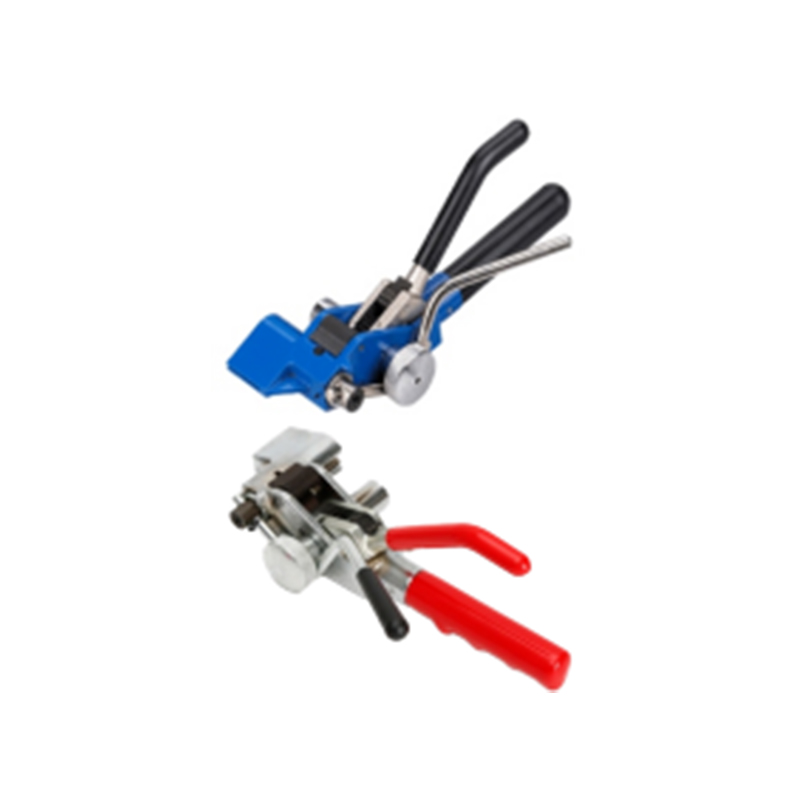 LQA Stainless Steel Cable Tie Tensioning and Cutting ToolTensions and shears stainless steel ties up to 16 mm wide, leaving flush tails that are easier to trim, cover, or identify after installation.View Product →
Dress the cut end after removal. A stainless tail inside a cabinet or a rail tunnel is a permanent cutting edge; trim it, or cover it with a stainless marker or tag when identification also matters.
On harness boards, removal is a cycle-time problem rather than a single cut, and the time per tie grows with bundle density.
Seconds per tie removed, plotted against bundle density; planning values only.
That is the argument for keeping a guided tool within arm's reach of every work position. A knife is quickest on the first tie of a sparse bundle and slowest on the last tie of a dense one, because the technician has to reposition the harness, find a safe blade angle and check for damage.
Two habits save more time than any single tool: cut into a tray rather than onto the floor, since a dropped 2.5 mm offcut is a foreign object risk in aviation and rail work, and standardise tail length at install. Ties tensioned with a nylon strapping tool such as the LS519 leave a consistent 1-2 mm tail, which makes the later cut predictable.
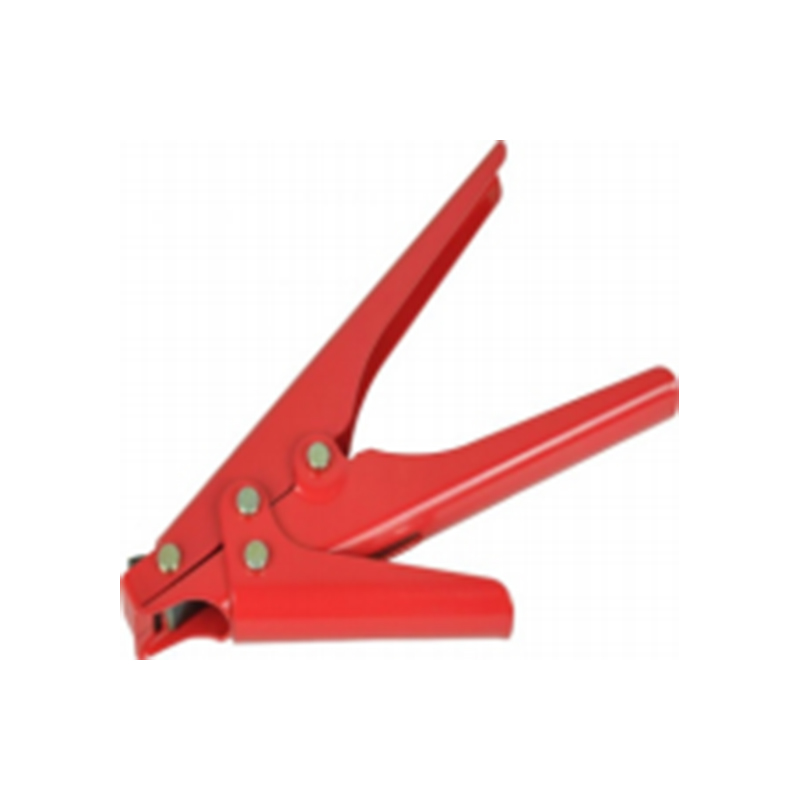 LS-519 Nylon Cable Tie Tensioning and Cutting ToolAdjustable tensioning and trigger cut-off for nylon ties 2.4–9 mm wide; consistent short tails make later trimming and blade-life checks predictable.View Product →
Blade life is worth logging. A hardened insert shears a few thousand nylon ties before it starts crushing them, and a crushing jaw pulls on the cable instead of cutting it.
If a bundle will be opened more than once, specify releasable ties and skip the cutter altogether.
A releasable tie unlocks at the pawl with a fingernail or a small screwdriver and comes free in one to three seconds, with no offcuts and no blade near the conductors. That makes it the better choice for commissioning bundles, test rigs, temporary routing and any harness that gets added to after installation.
The trade-off is unit cost, but the arithmetic changes when a removable bundle is opened three or four times during a project. Releasable stainless ties cover the same need outdoors, where UV and temperature cycling destroy nylon in a season or two.
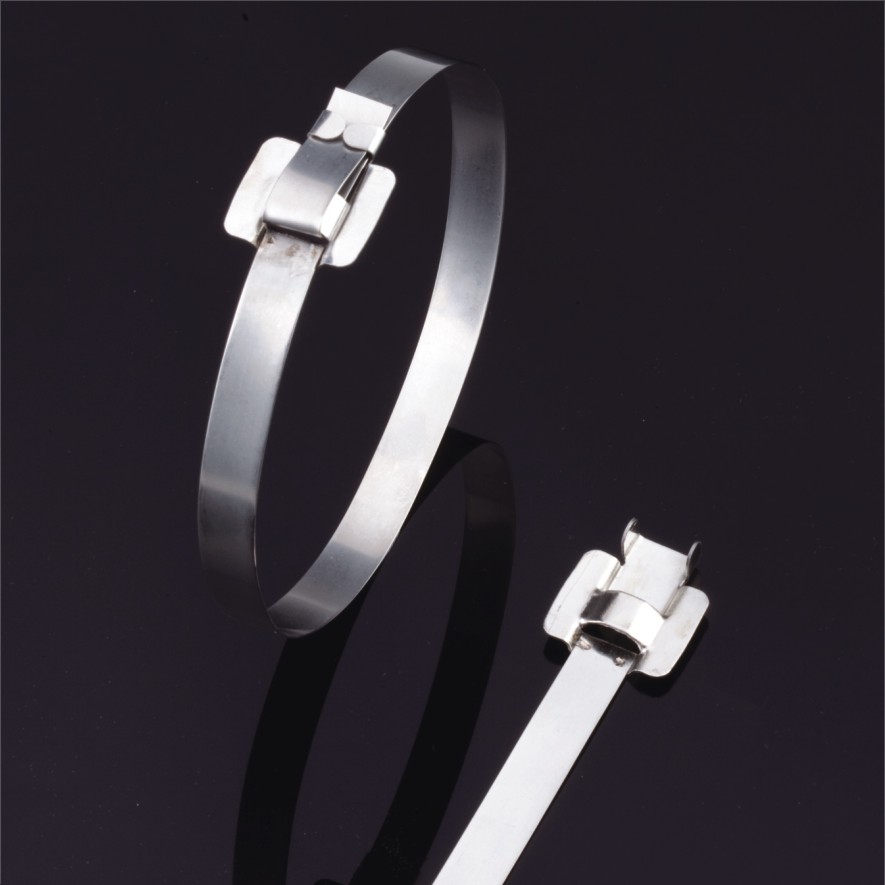 Releasable Reusable Uncoated Stainless Steel Cable Ties 304/316Reusable 304/316 stainless ties withstand UV, fire, and -80°C to 538°C; open and reclose bundles without replacing ties in outdoor or high-temperature work.View Product →
These are the errors that turn a five-second job into a cable replacement.
Across field repairs, the causes behind insulation damage during tie removal cluster into four groups.
Field estimate of what causes insulation damage and rework during tie removal.
Notice where the emphasis falls: most damage is not caused by the wrong tool, but by the wrong blade angle or by a tie that was over-tensioned at install and could never be released.
Not reliably. Nylon-grade edges chip on 316 stainless within a few ties. Use a cutter rated for stainless steel, or a lever-assisted tool with a thicker edge.
Use a guided removal tool with a guarded hook, so the blade stays enclosed until it closes. If no tool is available, de-energise the circuit or release the tie instead of cutting it.
Cut the strap against the lock head so the remaining tail sits level with or inside the head. Anything longer than about 2 mm is a snag point, and stainless strap should be dressed or covered.
No. Tensioning and crimping tools install ties; removal tools cut or release them. Most buyers need both families on the same order, which is why hand tools are usually specified alongside the tie itself.
Removal is the last few seconds of a tie's life, and it decides whether the cable underneath survives the job. Choose the method when you specify the tie: guided cutter for dense, hidden bundles, flush cutter for open bench work, a stainless-rated cutter for metal strap, and releasable ties wherever the bundle will be opened again.
If you are matching ties and tools for the first time, settle coating and environment questions first - this guide on how to choose stainless steel cable ties covers that part - then pick the removal or release method that fits how often the bundle will be opened.
Zhejiang Fengfan Cable Fittings manufactures nylon, stainless steel and acetal ties along with the hand tools that install them. Send us your strap width, material and access clearance, and we will recommend a tie-and-tool combination that stays serviceable after installation.
The single cable Cleats made of 316 stainless steel is used for cable management. It is corrosion-resistant, high-temperature resistant and meets international standards. It is suitable for various ha...
See Detail
Manufactured from high-grade 316 stainless steel, this cable management system is specifically designed for secure cable retention in power generation, petrochemical, marine, offshore platforms, and c...
See Detail
Brand Name: FengfanApproved Certificate: DNV & ABS.Product Description: Cable Fixing Band and ClipsThe Lower Cost Alternative to Cable Cleats Product Benefits- Low profile finish- 316 grade stain...
See DetailMobile: +86-136 7685 3958
Email: lihai.fan@zjffdl.com
Mobile: +86-188 57530390
Email: alan.huang@zjffdl.com
No. 1116 Yasha Ave, Cao’e Street, Shangyu District, Shaoxing City, Zhejiang, China, 312300


+86-0575-8215 2808
/8200 8688/8239 2526

+86-0575-8215 2066
Copyright ©Zhejiang Fengfan Cable Fittings Co.,Ltd.
