


 English
 中文简体
中文简体
+86-0575-8215 2808
/8200 8688/8239 2526
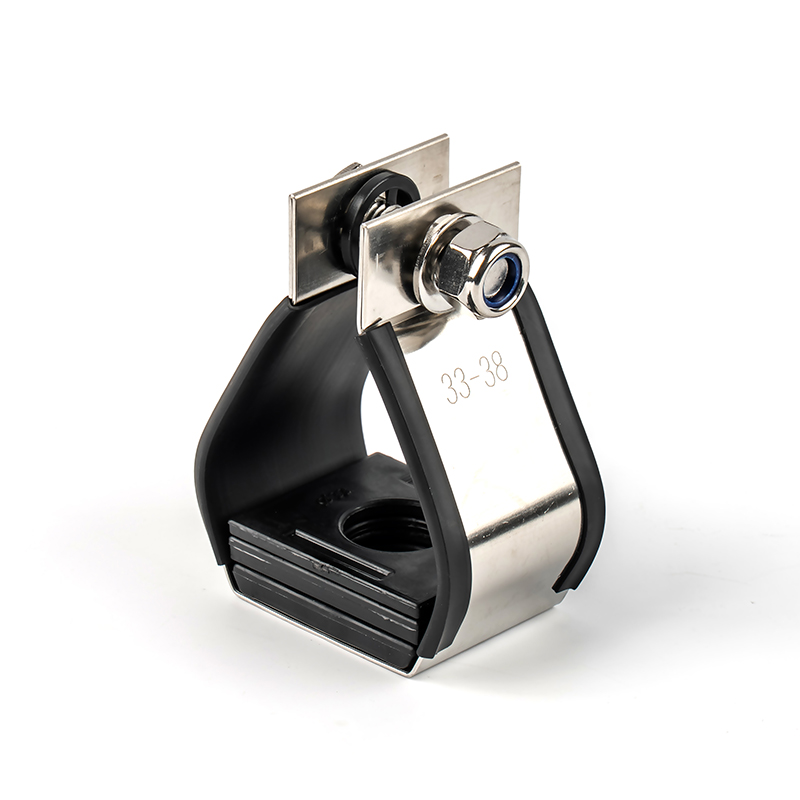
The single cable Cleats made of 316 stainless stee...
View more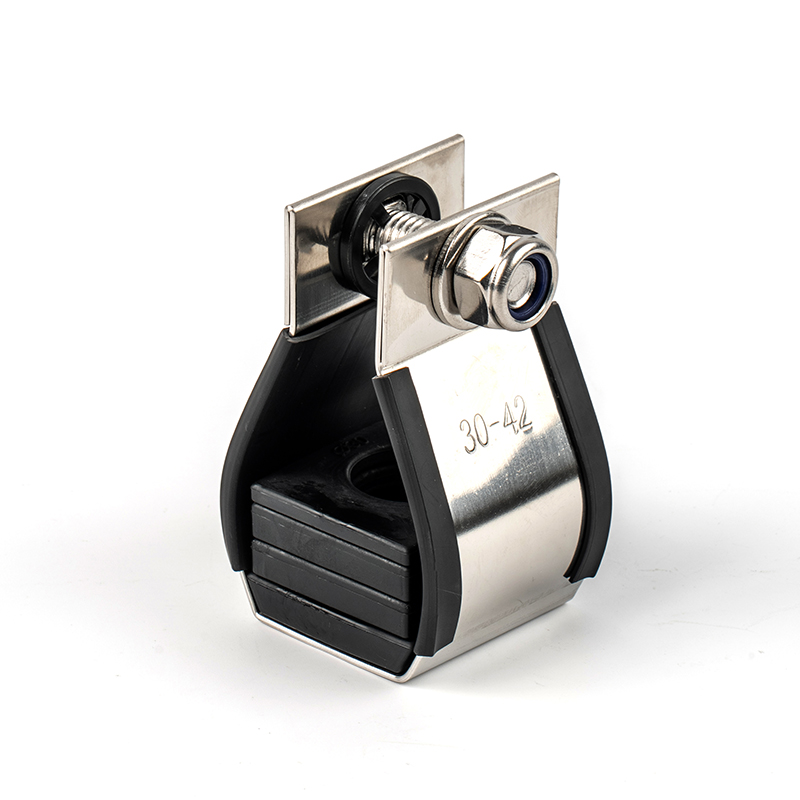
Manufactured from high-grade 316 stainless steel, ...
View more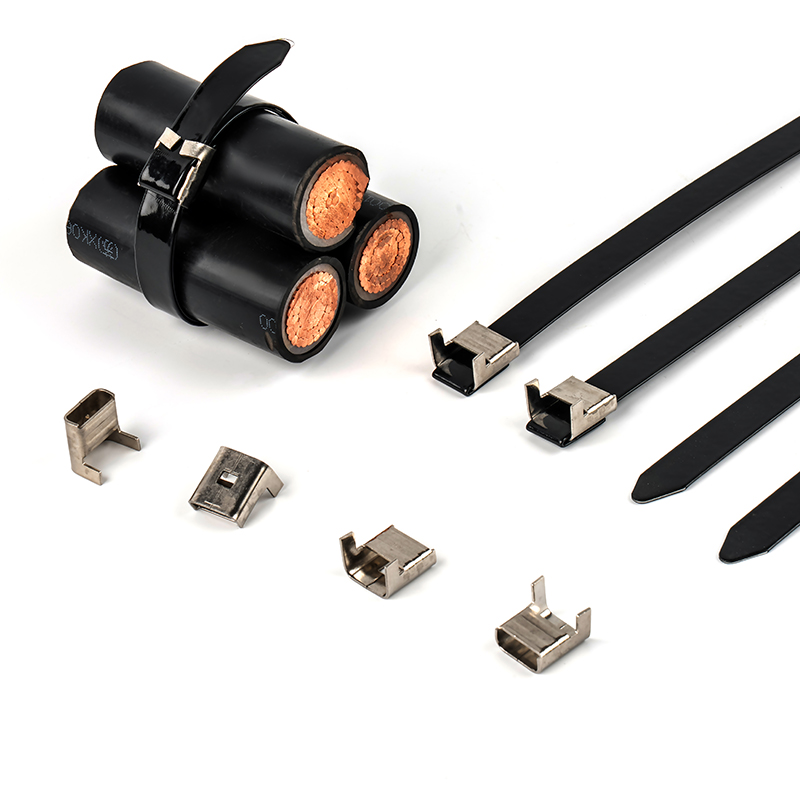
Brand Name: FengfanApproved Certificate: DNV &...
View moreContent
A cable that can move freely inside a cable tray may look acceptable on the first day of commissioning. But under short-circuit conditions, vibration, or high wind, that same cable can snap, chafe, or whip against adjacent equipment. The solution is a properly selected cable mount — a mechanical device that fixes the cable to a tray, wall, or structural steel and keeps it there for the life of the installation.
The most reliable cable mounts for industrial environments are not always the cheapest adhesive-backed plastic bases. For permanent and high-integrity installations, engineers choose cable cleats, stainless steel ties, and clamps that meet the mechanical and environmental demands of the site. This article compares the main options, explains the selection criteria, and highlights common installation errors.
A cable mount is any device used to secure a cable or a group of cables to a supporting structure. The term covers everything from a small cable tie mount stuck onto a control panel to a heavy-duty cable cleat bolted to a steel ladder in an offshore module. In industrial practice, the difference matters because the consequences of failure are different.
Cable ties – including stainless steel types – can act as a cable mount when wrapped around a cable and a support. Cable cleats, however, are engineered for the specific job of restraining power cables under fault conditions. To understand that distinction, read our breakdown of what cable cleats are and why they are used.
Choosing a cable mount starts with the application. A low-voltage control cable in a dry indoor cabinet does not need the same restraint as a 6.6 kV feeder in a seismic zone. Here is a practical comparison.
| Type | Typical material | Best for | Limitations |
|---|---|---|---|
| Adhesive cable tie mount | Nylon / ABS | Light indoor wires, control panels | Low pull-out force; fails on dusty or oily surfaces |
| Nylon cable tie | PA66 | Bundling and light fixing | UV and temperature limited |
| Stainless steel cable tie | 316 SS with coating options | Outdoor, corrosive, EMC bundling | Must be tensioned and protected against sharp edges |
| Cable cleat | 316 SS, PP / PPA coating | Power cables, short-circuit restraint | Higher cost; requires correct spacing |
Note that cable cleats are the only cable mount in this list specifically designed to withstand electromagnetic forces during a short circuit. This is why standards such as IEC 61914 exist for cleats but not for ordinary cable ties.
For temporary or light-duty work, adhesive cable-tie mounts are fast to install. But they should not be used on safety-critical power circuits because bond strength depends heavily on surface cleanliness, temperature, and humidity.
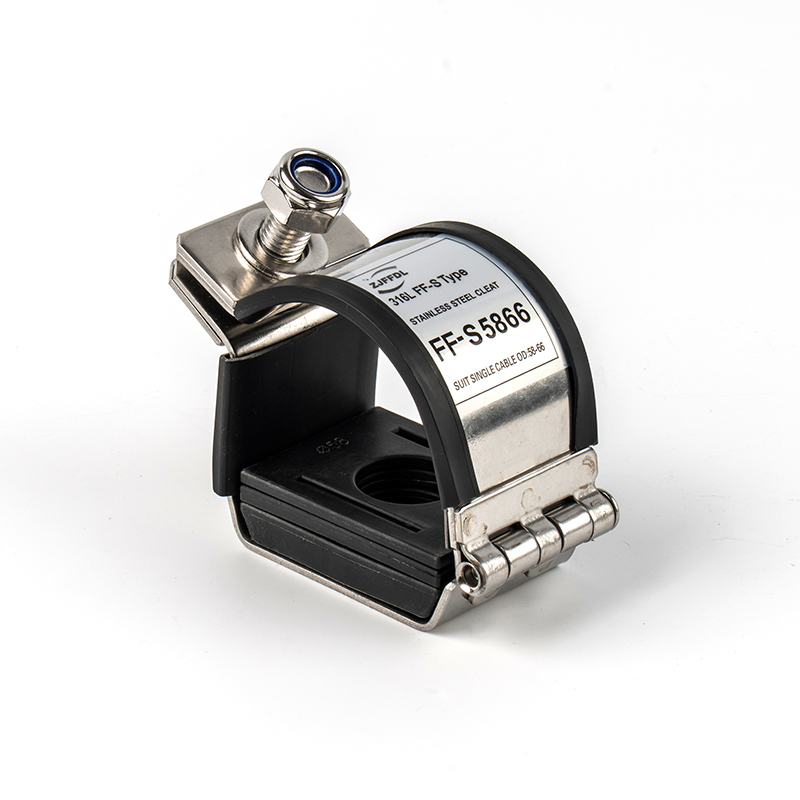 Stainless Steel 316 Single Cable Cleat for Cable ManagementThis single cable cleat made of 316 stainless steel offers durable retention for cable tray systems. It suits projects where precise cable support data must be collected to avoid installation rework or damage.View Product →
Before specifying any cable mount, collect these five data points. Missing one of them often leads to rework or even cable damage.
If the cable is a power feeder, calculate the prospective short-circuit current and the conductor spacing. The electromagnetic force between conductors increases with the square of the current. A cable mount that cannot resist that force will allow cables to separate, with dangerous consequences.
Nylon cable ties typically have a continuous temperature rating near 85 °C to 90 °C. Acetal products can operate slightly higher, and stainless steel cable ties or cleats, when uncoated, handle far higher temperatures. Coated steel systems add protection while still improving on plastic-only mounts.
Offshore platforms, chemical plants, and direct sunlight demand corrosion-resistant materials. For stainless steel mounts, 316 grade is the common baseline. Coated systems reduce the risk of galvanic corrosion between the steel bracket and the cable armour or aluminium tray.
A cable mount bolted to vertical steel sees shear or tension depending on cable direction. The anchor type – stud, beam clamp, or chemical anchor – must be documented because it changes the mechanical performance of the whole assembly.
For tunnels and critical infrastructure, select materials with low smoke and low acid gas emission. Uncoated stainless steel or specialised halogen-free coatings are often specified.
A common mistake is to use one type of cable mount across an entire project. A product that works well in a heated control room can fail prematurely on a sun-exposed cable tray. Match each mounting zone to the local environment, and keep a record of the products used for each zone.
The material of the cable mount determines its long-term behaviour. Here is how the main options compare in day-to-day industrial service.
For three-phase circuits, a trefoil cleat holds the three cables in a compact triangular formation, which reduces electromagnetic forces and simplifies support structures. The ER series is one such design.
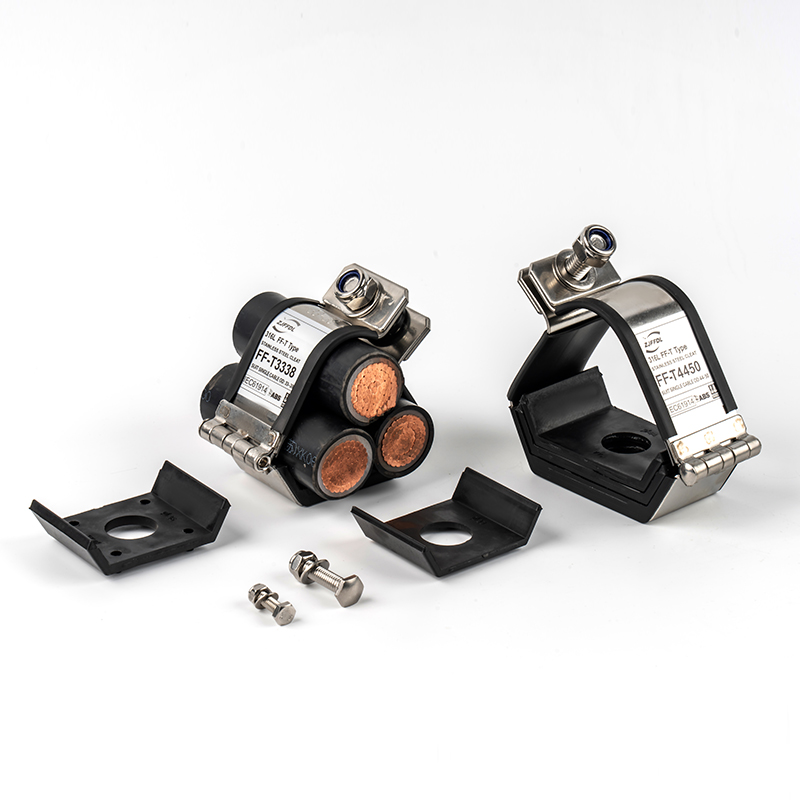 Stainless Steel 316 Trefoil Cable Cleat for Three-Phase CircuitsDesigned in a trefoil arrangement for three-phase cables, this 316 stainless steel cleat reduces electromagnetic forces and simplifies support structures. It is a practical choice for industrial setups requiring correct spacing and torque.View Product →
Correct spacing and torque are just as important as the cable mount itself. The following points come from feedback on real industrial projects.
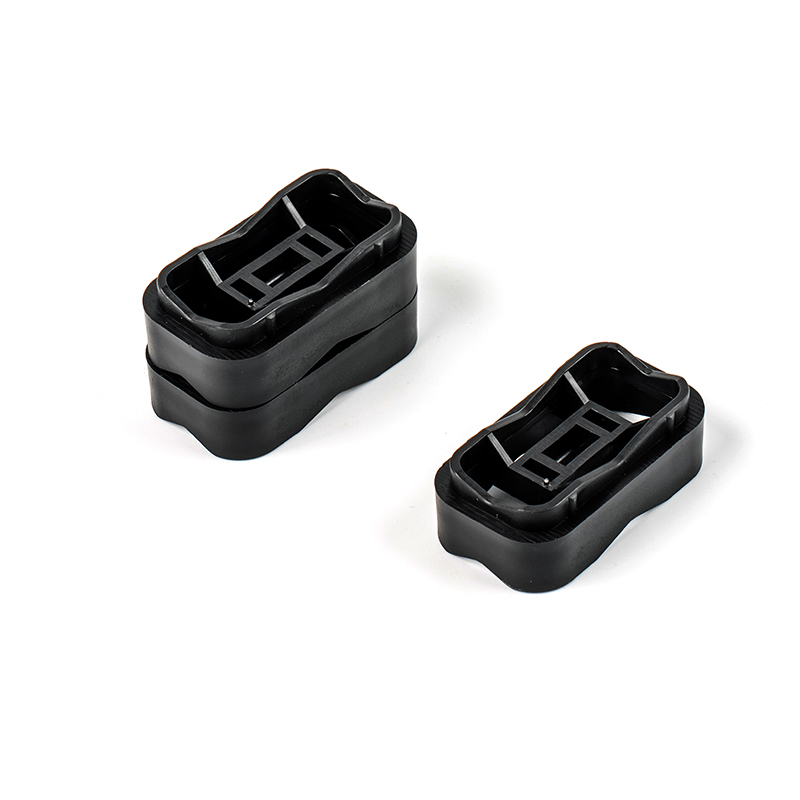 Cable Spacers for Demanding Industrial EnvironmentsCable spacers help maintain separation and alignment in cable runs, making them essential in shipbuilding, offshore platforms, railways, and power plants where vibration, salt spray, and temperature swings demand reliable, traceable mounting components.View Product →
Shipbuilding, offshore platforms, port machinery, railways, and power plants are the typical users of engineered cable mounting systems. In each case, the common denominator is a high cost of downtime and a need for predictable performance. Cable mounts in these sectors must tolerate salt spray, temperature swings, and continuous vibration. Many projects also require documented material certificates and traceability.
Cable mount is the broader term. A cable cleat is a specific type of engineered cable mount designed to restrain power cables under short-circuit forces.
Yes, for bundling and positioning. But for high current power cables, a cable cleat is safer because it has a predictable clamping force and is tested to relevant standards.
Yes. Spacing depends on cable size, short-circuit current, tray type, and conductor arrangement. The manufacturer's datasheet should provide a calculation method or tables.
Standard nylon is not recommended for long-term UV exposure. Weather-resistant acetal or stainless steel is a better choice for outdoor installations.
The selection of a cable mount is not just a small accessory decision. It affects short-circuit safety, maintenance cost, and the long-term reliability of the entire electrical installation. Start with the mechanical load, then work through temperature, corrosion, and installation constraints.
For drawings, load data and installation guidance, contact a specialist cable mount manufacturer such as Zhejiang Fengfan Cable Fittings.
The single cable Cleats made of 316 stainless steel is used for cable management. It is corrosion-resistant, high-temperature resistant and meets international standards. It is suitable for various ha...
See Detail
Manufactured from high-grade 316 stainless steel, this cable management system is specifically designed for secure cable retention in power generation, petrochemical, marine, offshore platforms, and c...
See Detail
Brand Name: FengfanApproved Certificate: DNV & ABS.Product Description: Cable Fixing Band and ClipsThe Lower Cost Alternative to Cable Cleats Product Benefits- Low profile finish- 316 grade stain...
See DetailMobile: +86-136 7685 3958
Email: lihai.fan@zjffdl.com
Mobile: +86-188 57530390
Email: alan.huang@zjffdl.com
No. 1116 Yasha Ave, Cao’e Street, Shangyu District, Shaoxing City, Zhejiang, China, 312300


+86-0575-8215 2808
/8200 8688/8239 2526

+86-0575-8215 2066
Copyright ©Zhejiang Fengfan Cable Fittings Co.,Ltd.
